

Kiedy ludzie pytają, jakie częstotliwości pomagają w regulacji układu nerwowego, prawdziwe pytanie jest zazwyczaj bardziej szczegółowe: jakie częstotliwości mogą przestawić ciało z fizjologii stresu w stan, który wydaje się bezpieczniejszy, spokojniejszy i bardziej zorganizowany. Ma to znaczenie, ponieważ układ nerwowy nie reaguje na dźwięk jako abstrakcyjny pomysł. Reaguje na wibracje, rytm, bodźce sensoryczne i stymulację mechaniczną, które mogą wpływać na napięcie mięśniowe, wzorce oddychania, percepcję bólu i równowagę autonomicznego układu nerwowego.
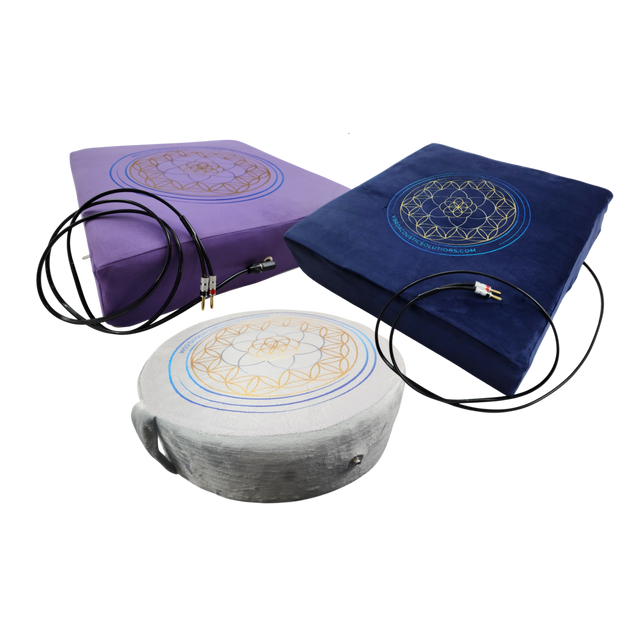
W terapii wibroakustycznej częstotliwość to nie tylko coś, co słyszysz. To coś, co ciało fizycznie odbiera. Dźwięk o niskiej częstotliwości dostarczany przez łóżko, matę, poduszkę lub stół wytwarza delikatne mechaniczne drgania w tkankach. Te drgania mogą działać jak forma mikro-masażu komórkowego, stymulując mechanoreceptory, wpływając na krążenie i sprzyjając zmianom w autonomicznym układzie nerwowym. Jest to jeden z powodów, dla których niskie częstotliwości są często używane do regulacji, regeneracji i relaksacji, zamiast polegać wyłącznie na słyszalnej muzyce.
Jakie częstotliwości najczęściej wspierają układ nerwowy?
Najczęściej omawiany zakres terapeutyczny w pracy wibroakustycznej to w przybliżeniu od 20 Hz do 120 Hz, ze szczególnie częstym wykorzystaniem częstotliwości od 30 Hz do 80 Hz. Nie oznacza to, że każda częstotliwość w tym paśmie działa tak samo. Różne wartości Hz wywołują różne efekty mechaniczne w ciele, a reakcja układu nerwowego zależy od celu, osoby i metody dostarczania.
Niższe częstotliwości mają tendencję do wytwarzania wolniejszych, głębszych doznań, które wielu użytkowników opisuje jako uziemiające. Średnio-niskie częstotliwości często bardziej aktywizują krążenie i tkankę mięśniową. Wraz ze wzrostem częstotliwości fizyczne odczucie może stać się bardziej zlokalizowane lub stymulujące, a nie głęboko uspokajające. Dla osoby z wysokim stresem, bezsennością, napięciem związanym z traumą, chronicznym bólem lub przeciążeniem sensorycznym, najbardziej pomocny zakres jest zazwyczaj ten, który ciało odbiera jako przewidywalny i niegroźny.
Rola 40 Hz w regulacji układu nerwowego
Jeśli jedna częstotliwość zyskała poważną uwagę naukową, to jest to 40 Hz. Ta częstotliwość była badana w kilku kontekstach, ponieważ wydaje się znacząco oddziaływać na przetwarzanie mózgowe i sensoryczne. W badaniach słuchowych i wibracyjnych 40 Hz jest często omawiane w związku z aktywnością w paśmie gamma, uwagą i synchronizacją neuronalną. Nie oznacza to, że 40 Hz jest lekarstwem na wszystko i zdecydowanie nie powinno być przedstawiane jako mistyczna częstotliwość. Mimo to ma większe znaczenie naukowe niż wiele wirusowych twierdzeń wellness.
W ustawieniach wibroakustycznych 40 Hz jest często używane, ponieważ jest fizycznie komfortowe dla ciała, a jednocześnie wyczuwalne jako silna wibracja terapeutyczna. Niektóre badania kliniczne i pilotażowe badały 40 Hz pod kątem relaksacji, spastyczności, bólu i wsparcia neurologicznego. W praktyce wielu terapeutów uważa je za przydatne, gdy celem jest zorganizowany input sensoryczny bez przeciążania klienta.
Częstotliwości w okolicach 30 Hz do 50 Hz
Ten zakres jest często kojarzony z uspokojeniem i relaksacją mięśni. Mechanicznie te niskie częstotliwości wytwarzają wibracje obejmujące całe ciało, które mogą sprzyjać uwalnianiu fizycznych wzorców obronnych. Kiedy napięcie mięśniowe zaczyna się rozluźniać, oddychanie często staje się bardziej regularne, a sama ta zmiana może wspierać aktywność przywspółczulną.
Dla klientów z lękiem, nadmierną czujnością lub trudnościami w uspokojeniu się podczas leczenia, częstotliwości w tym paśmie mogą wydawać się bezpieczniejsze niż intensywniejsza lub bardziej złożona stymulacja. Wolniejszy, stały puls daje układowi nerwowemu wyraźny sygnał sensoryczny do naśladowania. W opiece somatycznej przewidywalność ma znaczenie.
Częstotliwości w okolicach 50 Hz do 80 Hz
Ten zakres jest często używany do modulacji bólu, wspomagania krążenia i regeneracji fizycznej. Mechanizm polega częściowo na konkurencji sensorycznej. Wibracje mogą zmieniać sposób, w jaki sygnały bólowe są odbierane przez ośrodkowy układ nerwowy, podobnie jak pocieranie zranionego miejsca może zmniejszyć dyskomfort. Stymulacja o niskiej częstotliwości może również wspomagać rozluźnienie mięśni i zwiększać lokalny przepływ krwi.
Dla niektórych użytkowników ten zakres wydaje się bardziej terapeutyczny niż uspokajający. Może to być przydatne w warunkach klinicznych, gdzie celem jest nie tylko relaksacja, ale pomoc ciału w przejściu od usztywnienia do bardziej funkcjonalnej regulacji.
Dlaczego układ nerwowy w ogóle reaguje na częstotliwość?
Ciało jest pełne receptorów przeznaczonych do wykrywania nacisku, ruchu, rozciągania i wibracji. Kiedy dźwięk o niskiej częstotliwości jest aplikowany za pomocą urządzenia wibroakustycznego, te receptory przesyłają informacje do góry przez układ nerwowy. Ten oddolny input może wpływać na stan pobudzenia, szczególnie gdy jest połączony z bezpiecznym środowiskiem i stałym rytmem.
To jest kluczowe rozróżnienie. Układ nerwowy często zmienia stan poprzez doświadczenie, zanim zmieni go poprzez myśl. Osoba może rozumieć, że jest bezpieczna, a mimo to czuć się aktywowana. Wibracje mechaniczne, zwłaszcza w niższych częstotliwościach, mogą pomóc w stworzeniu cielesnego doświadczenia bezpieczeństwa poprzez zmniejszenie napięcia mięśniowego, spowolnienie wewnętrznego tempa i zwiększenie spójności sensorycznej.
W tym miejscu rytm ma takie samo znaczenie jak Hz. Ciągła stymulacja może być pomocna, ale pulsacyjne lub modulowane częstotliwości mogą wywoływać silniejszy efekt synchronizacji u niektórych użytkowników. Zależy to od wrażliwości osoby, aktualnego obciążenia stresem i celu leczenia.
Jakie częstotliwości pomagają w uspokojeniu, a jakie w stymulacji układu nerwowego?
Nie każdy rozregulowany układ nerwowy potrzebuje większego uspokojenia. Niektórzy ludzie potrzebują wyciszenia. Inni potrzebują delikatnej organizacji i struktury sensorycznej. Dlatego dobór częstotliwości powinien odpowiadać prezentacji.
W przypadku stresu, bezsenności i napięcia lękowego, praktycy często zaczynają od niższych częstotliwości w zakresie od 30 Hz do 50 Hz, dostarczanych z komfortową intensywnością. Celem nie jest bombardowanie ciała. Chodzi o stworzenie wystarczającego bodźca dotykowego, aby system mógł się zmienić, nie stając się defensywny.
W przypadku chronicznego bólu, napięcia mięśniowego lub regeneracji po wysiłku, częstotliwości od około 40 Hz do 80 Hz są często bardziej użyteczne. Mogą one wydawać się bardziej aktywne w tkankach, jednocześnie wspierając regulację. W pracy sensorycznej z autyzmem, ADHD lub dysregulacją związaną z traumą, najlepszy zakres jest bardzo zróżnicowany. Niektórzy klienci dobrze reagują na bardzo stabilny input o niskiej częstotliwości, podczas gdy inni potrzebują krótszych sesji lub węższych pasm, aby uniknąć przeciążenia.
Jest to jeden z powodów, dla których systemy wibroakustyczne klasy klinicznej mają znaczenie. Precyzja w dostarczaniu częstotliwości, kontrola amplitudy i kontakt z ciałem zmieniają efekt terapeutyczny. Losowa muzyka z mocnym basem odtwarzana przez głośnik to nie to samo.
A co z binauralnymi bitami, 432 Hz i tonami Solfeggio?
W tym miejscu ważne jest uczciwe rozróżnienie.
Binauralne bity to zjawisko słuchowe, a nie mechaniczne leczenie wibracyjne. Mogą wpływać na odczuwany relaks lub uwagę u niektórych słuchaczy, ale dowody są mieszane i nie tworzą one takiego samego dotykowego efektu opartego na ciele jak terapia wibroakustyczna. Mogą być pomocne jako narzędzie do słuchania, ale nie są zamienne ze stymulacją somatyczną o niskiej częstotliwości.
Popularne twierdzenia dotyczące 432 Hz, 528 Hz i innych tonów Solfeggio są znacznie mniej ugruntowane naukowo, niż często sugeruje marketing. Ludzie mogą się nimi cieszyć, a subiektywny relaks jest nadal znaczący, ale nie ma silnego konsensusu klinicznego, że te konkretne tony mają wyjątkowe moce uzdrawiające dla układu nerwowego. To samo dotyczy twierdzeń o rezonansie Schumanna jako bezpośrednim zaleceniu terapeutycznym. Ciekawe teorie to nie to samo, co zweryfikowany efekt leczenia.
W przeciwieństwie do tego, stymulacja wibroakustyczna o niskiej częstotliwości ma bardziej wiarygodny i obserwowalny mechanizm. Działa poprzez systemy sensoryczne i mechaniczne ciała, a nie tylko poprzez symboliczne znaczenie lub preferowane standardy strojenia.
Jak wybrać odpowiedni zakres częstotliwości w praktyce
Użytecznym punktem wyjścia jest myślenie o wyniku, a nie o szumie. Jeśli celem jest wspomaganie snu lub dekompresja po stresującym dniu, niższe częstotliwości o stałym tempie są często najlepszym punktem wejścia. Jeśli celem jest łagodzenie bólu, zmniejszenie napięcia mięśniowego lub wspomaganie regeneracji po zabiegach na ciało, odpowiedni może być nieco szerszy zakres terapeutyczny.
Długość sesji również ma znaczenie. Większa częstotliwość nie zawsze jest lepsza. Wrażliwy układ nerwowy może najlepiej reagować na 10 do 20 minut przy umiarkowanym ustawieniu. Inni użytkownicy czerpią korzyści z dłuższych sesji, gdy ciało nauczy się, że input jest bezpieczny. Jest to szczególnie prawdziwe w przypadku osób z historią traumy, defensywnością sensoryczną lub niestabilnością autonomiczną.
Dla praktyków pomocne jest obserwowanie niewerbalnych oznak regulacji: wolniejszy wydech, zmniejszone napięcie szczęki, mniej wiercenia się, miększe mięśnie twarzy i bardziej równomierne napięcie ciała na stole. Te oznaki zazwyczaj mówią więcej niż wykres częstotliwości oparty na trendach.
W Vibroacoustic Solutions, to podejście oparte na nauce sprawia, że terapia wibroakustyczna jest tak przekonująca. Właściwa częstotliwość to nie ta z najśmielszym twierdzeniem. To ta, która powoduje mierzalną, tolerowaną i wspierającą zmianę w ciele.
Najdokładniejsza odpowiedź na pytanie, jakie częstotliwości pomagają w regulacji układu nerwowego
Krótka odpowiedź brzmi, że niskie częstotliwości w zakresie od około 30 Hz do 80 Hz są najbardziej konsekwentnie użyteczne dla wsparcia układu nerwowego, z 40 Hz wyróżniającym się jako jedna z najczęściej badanych i szeroko stosowanych opcji. Ale lepsza odpowiedź brzmi, że częstotliwość działa poprzez mechanizm, kontekst i indywidualną reakcję. Ciało nie dba o to, co jest modne. Reaguje na to, co czuje się bezpieczne, zorganizowane i fizjologicznie skuteczne.
Jeśli eksplorujesz terapię wibroakustyczną w przypadku stresu, snu, bólu, napięcia związanego z traumą lub regulacji sensorycznej, najmądrzejszym kolejnym krokiem nie jest gonienie za magiczną liczbą. Jest to znalezienie systemu i protokołu, które pozwolą układowi nerwowemu uspokoić się w zmianie w tempie, któremu rzeczywiście może zaufać.
Najnowsze posty


Clinical Vibration Table Review for Therapists
Read article
Clinic Essentials for Sound Therapy That Work
Read article

Opinie klientów
Hi Sinead,
Here is a quick, direct breakdown of how our vibroacoustic systems works:
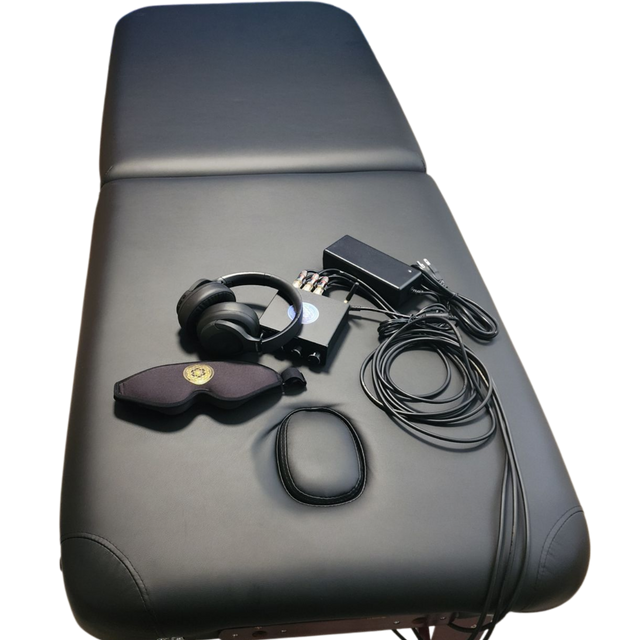
Connections & Headphones: Audio connects via Bluetooth, RCA, or Aux. Depending on the specific amplifier model, headphones plug in either directly or through an external headphone amp. Most Deluxe packages currently include headphones, but configurations vary. Please check the specific listing details, or message us through our contact form or chat to verify your exact setup!
The Vibration: The bed acts like a subwoofer speaker reacting to low frequencies, syncing in real time to your music. The specific tracks you play dictate how it reacts, and your body may interpret different frequencies at different times.
Hi. My question is.
Do I connect me audio sound and headphones to this box?
Does the deluxe come with headphones?
Music, does the bed vibrate to each music I select? Does it run with the sand vibration for all? Does it sync in different parts or all at once?
I cannot see anything about how it will be with music!