Chronic pain rarely stays in one lane. It can start in the low back, neck, hips, or shoulders, but over time it often affects sleep, mood, movement, stress tolerance, and the nervous system itself. That is why interest in vibroacoustic therapy for chronic pain keeps growing among both clinicians and home users. It offers a non-invasive way to work with pain through low-frequency sound vibration, nervous system regulation, and whole-body relaxation rather than relying on forceful intervention.
For people living with pain that has become persistent, the question is usually not whether one technique can fix everything. The real question is whether a therapy can reduce intensity, lower reactivity, and make the body feel safer enough to support better function. That is where vibroacoustic therapy becomes clinically interesting.
What vibroacoustic therapy for chronic pain actually does
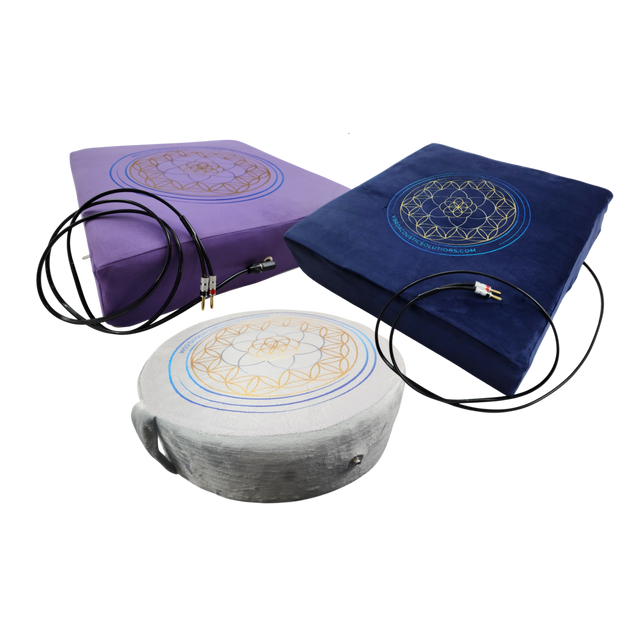
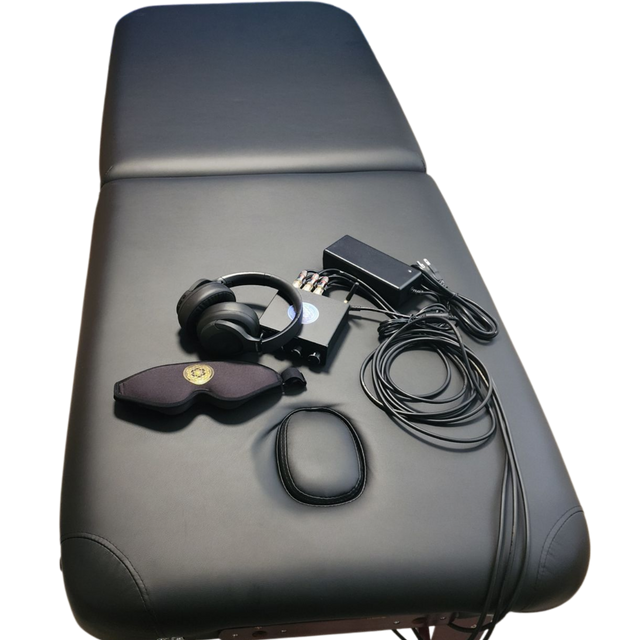
Vibroacoustic therapy uses low-frequency sound delivered through speakers or transducers built into a bed, mat, cushion, chair, or treatment table. Instead of hearing sound alone, the body also feels it as targeted vibration. These frequencies create gentle mechanical stimulation that can be experienced as pulsing, resonance, or a low steady hum through muscles and connective tissue.
This matters because chronic pain is not only a local tissue issue. In many cases, it involves nervous system sensitization, muscle guarding, reduced parasympathetic tone, poor sleep, and a persistent stress response. Vibroacoustic therapy addresses several of those layers at once. The body receives rhythmic sensory input, muscles may begin to release protective tension, breathing often slows, and the mind has a chance to shift out of hypervigilance.
Some practitioners describe this as a form of cellular micro-massage. That phrase can be useful as long as it is understood correctly. Vibroacoustic stimulation is not the same as manual massage, and it is not a cure-all. Its value is that it can influence tissue tone, circulation, sensory processing, and autonomic regulation in a way that feels gentle rather than invasive.
Why chronic pain often responds to vibration and sound
Pain that lasts for months or years tends to change how the body interprets input. Muscles can stay braced long after an injury should have settled. Sleep becomes lighter. Small stressors create bigger flare-ups. In that state, the nervous system may benefit from predictable, repetitive stimulation that signals safety instead of threat.
Low-frequency vibration can provide that kind of input. Rhythm matters. Repetition matters. So does comfort. A therapy that helps the body downshift can be useful even when the pain source is complex, because lower arousal often means less guarding and better tolerance for movement, rest, and recovery.
This is one reason vibroacoustic therapy is being explored in integrative settings for back pain, fibromyalgia, myofascial tension, arthritis-related discomfort, and pain linked to stress dysregulation. The mechanism is not identical in every case. Someone with inflammatory joint pain may respond differently than someone with centralized pain or trauma-related muscle tension. Still, the common thread is that chronic pain often improves when the body experiences less tension and more regulation.
The science is promising, but context matters
Research on vibroacoustic therapy is encouraging, especially around pain reduction, relaxation, and quality of life, but it is still an evolving field. That is worth saying clearly. The evidence does not support exaggerated claims, and outcomes depend on the person, the condition, the frequency protocol, session length, and consistency of use.
What makes the modality compelling is its overlap with several well-established therapeutic principles. Gentle vibration has been studied for effects on circulation, muscle relaxation, and sensory modulation. Music and sound-based interventions have documented effects on stress physiology and emotional state. Somatic regulation approaches increasingly recognize that rhythmic sensory input can help shift autonomic function.
Put together, vibroacoustic therapy sits at a useful intersection of bodywork, neurosensory regulation, and restorative care. It is not positioned best as a replacement for medical treatment. It is often more effective as part of a broader pain support plan.
What a session feels like
A good session usually does not feel dramatic. Most people lie or sit on a vibroacoustic surface while low-frequency sound moves through the body in measured patterns. Some protocols use specific frequency ranges. Others combine tone sequences with music designed to support relaxation and breath regulation.
Within a few minutes, many people notice that their breathing slows and their muscles feel heavier against the surface. Areas of tension may start to soften. Some people feel warmth or a sense of internal movement. Others mainly notice that pain becomes less sharp or less emotionally charged.
That distinction matters. A session may not always erase pain, especially in severe or longstanding conditions. But if it reduces guarding, improves sleep later that night, or helps the nervous system stop amplifying every sensation, it may still be clinically meaningful.
Who may benefit most from vibroacoustic therapy for chronic pain
The best candidates are often people who need a gentle entry point. That includes those with high stress load, sensory sensitivity, poor sleep, persistent muscle tension, or pain that worsens when the nervous system is overloaded. It can also be useful for practitioners who want to help clients settle before massage, bodywork, breathwork, or trauma-informed somatic sessions.
Home users are often drawn to vibroacoustic therapy because it is accessible and repeatable. That matters with chronic pain. A therapy may work well in a clinic, but if it is too expensive, too intense, or too hard to use consistently, results tend to fade. Clinical-grade systems designed for home use can help bridge that gap by allowing shorter, more regular sessions.
For professionals, the value is slightly different. Vibroacoustic equipment can expand what a treatment table, recovery room, or relaxation space can do. It can support downregulation before hands-on work, reduce resistance in guarded clients, and add a measurable somatic layer to sessions focused on pain, trauma, or nervous system recovery.
Where expectations should stay realistic
Vibroacoustic therapy is not the right fit for every pain presentation, and not every person enjoys vibrational input. Some people with acute flare-ups or very high sensory sensitivity may need lower intensity or shorter sessions. Others may need more direct orthopedic or medical care before they can benefit from a regulation-focused approach.
It also matters whether the pain is primarily mechanical, inflammatory, neuropathic, centralized, or mixed. Many chronic pain cases involve more than one category. That is why protocol matters. The best outcomes usually come from matching the intensity, frequency range, positioning, and session length to the individual rather than using one generic approach.
This is also where product design matters. A poorly calibrated system can feel distracting or uneven. A well-designed system distributes vibration more effectively, supports comfortable positioning, and makes it easier to build a consistent therapeutic routine. For clinics and home users alike, affordability should not come at the expense of therapeutic reliability.
How to use it as part of a broader pain plan
The most effective way to think about vibroacoustic therapy is as a foundation for regulation. When the body is less guarded, other interventions often work better. Stretching becomes more tolerable. Manual therapy feels less intense. Breathwork is easier to sustain. Sleep may improve, which affects pain perception the next day.
That means a session can be used before exercise, after physical therapy, at the end of a demanding day, or as part of a bedtime routine for people whose pain spikes with fatigue and stress. Practitioners may use it before massage or during integrative sessions to prepare the client for deeper therapeutic work.
At Vibroacoustic Solutions, this practical application is part of what makes the technology meaningful. The goal is not to make sound therapy feel abstract. It is to make clinical-grade vibroacoustic support usable in real homes and real treatment settings where consistency shapes results.
A better question than “Does it work?”
For chronic pain, the better question is often this: does it help the body feel safe enough to recover? Relief matters, of course. But so do sleep, breath, muscle tone, sensory load, and the ability to rest without bracing.
Vibroacoustic therapy may not solve every pain pattern, but it can create conditions that many painful bodies have been missing for a long time - rhythmic input, reduced tension, and a reliable path toward regulation. For people living with persistent pain, that is not a small thing. It is often where recovery starts.
Latest posts

Somatic Sound Therapy Versus Massage: Key Differences
Read article

Massage Practice Sound Table Example That Works
Read article