Your body can look calm while your nervous system is still bracing for impact. That mismatch shows up in real life as shallow breathing, tight shoulders, poor sleep, sensory overload, irritability, chronic pain flare-ups, or the feeling that you can never fully power down. If you have been asking what is nervous system regulation, the simplest answer is this: it is your body’s ability to shift into the right physiological state for the moment, then return to balance when the challenge passes.
That sounds straightforward, but regulation is not the same as being relaxed all the time. A well-regulated nervous system can activate when needed and settle when appropriate. It supports focus during work, mobilization during exercise, recovery after stress, and deeper rest at night. The real issue is flexibility, not permanent calm.
What Is Nervous System Regulation in practical terms?
Nervous system regulation refers to the processes that help your brain and body monitor safety, respond to demands, and restore equilibrium. It involves the autonomic nervous system, especially the sympathetic branch, which prepares you for action, and the parasympathetic branch, which supports rest, digestion, and recovery.
When regulation is working well, these systems adapt fluidly. Your heart rate rises when you need energy, then settles. Your muscles tense to help you move, then release. Your attention narrows under pressure, then broadens again once the task is over. You do not get stuck in high alert or collapse into shutdown.
For many people, that flexibility is reduced by chronic stress, trauma, pain, inflammation, sleep disruption, sensory sensitivity, or ongoing life demands. In those cases, the nervous system may start treating ordinary experiences as threats. The result is not just mental stress. It is a whole-body state change.
Why dysregulation feels so physical
People often assume stress is mostly psychological. Clinically, that is too narrow. The nervous system regulates breathing patterns, heart rate variability, muscle tone, digestion, pain signaling, sensory filtering, and arousal. When it is dysregulated, symptoms often appear in the body first.
One person may notice jaw clenching, headaches, and digestive discomfort. Another may feel wired but exhausted, unable to rest even when tired. A child or adult with sensory sensitivity may become overwhelmed by sound, touch, or transitions that others handle easily. Someone with chronic pain may find that stress ramps symptoms up even when no new injury has occurred.
This is one reason somatic therapies matter. Regulation is not only built through insight or willpower. It is also shaped by sensory input, movement, breath, rhythm, touch, sound, and environments that communicate safety to the body.
The nervous system is not a simple on-off switch
A common misconception is that you are either stressed or relaxed. In reality, the nervous system moves through a range of states. You might be calmly alert, socially engaged, highly mobilized, frozen, numb, fatigued, or deeply restorative. These states are influenced by your internal physiology and by external cues such as noise, conflict, workload, pain, and social connection.
This is why nervous system support is rarely one-size-fits-all. Some people need downregulation because they are running hot - anxious, activated, tense, and overstimulated. Others need gentle upregulation because they feel flat, disconnected, heavy, or shut down. Sometimes the goal is not sedation. It is helping the system regain responsiveness.
That distinction matters in therapeutic settings. A client who is overwhelmed may respond well to slow, predictable, low-frequency sensory input. A client who is depleted may need a different intensity, timing, or therapeutic sequence. Good regulation work is responsive, not generic.
What helps regulate the nervous system?
Most evidence-based regulation strategies work because they influence physiology through repetition and sensory signaling. Slow breathing can increase parasympathetic activity. Consistent sleep and circadian rhythm support improve resilience. Gentle movement can discharge excess activation while improving interoceptive awareness, which is your sense of what is happening inside the body.
Other tools are more directly somatic. These include massage, weighted pressure, sound-based interventions, vagal stimulation approaches, mindfulness practices, and therapies that use rhythm and patterned sensory input to support state shifts. The mechanism is not magic. It is about changing the body’s incoming information so the nervous system has a better chance of interpreting the environment as manageable and safe.
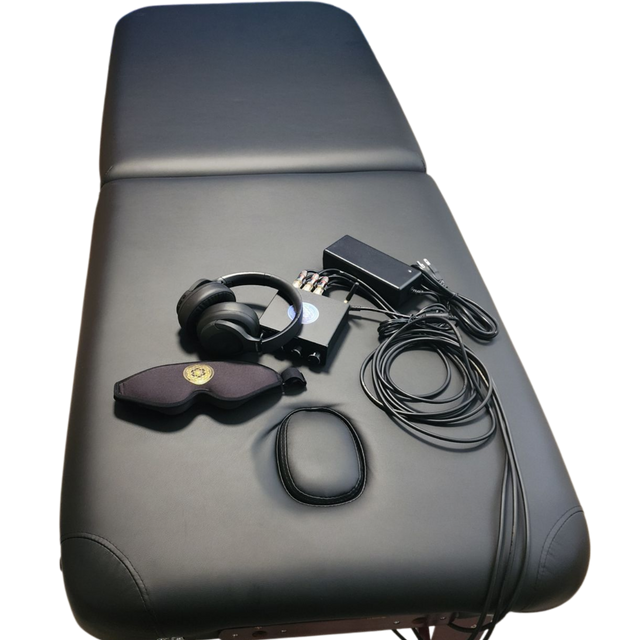
For many home users and clinicians, this is where vibroacoustic therapy becomes especially relevant. Low-frequency sound vibration provides structured sensory input that can support relaxation, body awareness, and muscular release. Depending on the application, it may help reduce stress load, ease physical tension, and create conditions that are more favorable for regulation. It is not a cure-all, and results depend on the person, dosage, setting, and clinical context. But as part of a broader nervous system support plan, it is a compelling modality because it works through the body, not just through cognition.
What is nervous system regulation really aiming for?
The goal is not to eliminate stress. It is to improve capacity. A regulated system can tolerate more stimulation without becoming overwhelmed, and it can recover more efficiently after challenge. That matters for everyday stress, but also for sleep quality, pain recovery, emotional resilience, and therapeutic outcomes.
For practitioners, better regulation often means a client can actually receive care. If someone arrives highly guarded, they may struggle to relax on the table, track body sensations, or stay present during treatment. When the nervous system shifts toward safety, the intervention often becomes more effective.
For home users, regulation can mean the difference between constantly chasing symptom relief and building a more stable baseline over time. You may still have stressful days. You may still have pain or sensory challenges. But your system is less likely to stay trapped in a cycle of escalation.
Signs your system may need more support
Dysregulation does not always look dramatic. Sometimes it is subtle and persistent. You may feel tired but unable to nap, socially drained after minor stimulation, unusually reactive to sound or touch, or stuck in recurring tension patterns that return soon after temporary relief.
You might also notice inconsistent recovery. Workouts wipe you out longer than expected. Sleep does not feel restorative. Relaxation techniques seem helpful for a few minutes, then your body revs back up. These patterns suggest your nervous system may be having trouble completing the full stress-recovery cycle.
That does not automatically mean something is wrong in a pathological sense. It does mean your body may benefit from more intentional regulation inputs and fewer assumptions that you should be able to push through.
Building regulation takes consistency, not force
One of the biggest mistakes people make is treating regulation like a switch they should be able to flip instantly. If your system has been operating in survival mode for months or years, it may not trust stillness right away. In fact, some people feel more uncomfortable when they first try to relax because quiet makes underlying activation more noticeable.
That is why gradual, repeatable approaches tend to work better than aggressive interventions. Short daily sessions often outperform occasional intense efforts. Predictable sensory experiences can be more effective than novelty. And for trauma-sensitive populations, pacing matters. Too much input, even if designed to help, can backfire.
This is also where clinical-grade wellness technology has an advantage when used thoughtfully. Consistency, controllable settings, and repeatable delivery create a more measurable experience. Vibroacoustic Solutions, for example, operates in a space where therapeutic sound is not framed as a trend but as a practical tool for somatic support, recovery, and regulation.
Regulation is personal, but not mysterious
The science of somatic regulation can sound complex, yet the lived experience is familiar. Your body is constantly asking: Am I safe enough to rest, connect, digest, heal, and recover? Nervous system regulation is the set of processes that answers that question in real time.
If the answer has been no for a while, the path forward is usually not more self-criticism. It is better inputs, better pacing, and better support. Sometimes that starts with breath and sleep. Sometimes it starts with therapeutic touch, low-frequency vibration, or a quieter sensory environment. What matters is finding approaches that help your body feel less defensive and more available for healing.
A helpful way to think about regulation is not as a luxury, but as the foundation that makes every other wellness effort work better.
Latest posts


Vibroacoustic Systems for Therapeutic Regulation
Read article