A clinical vibration table review should begin with a basic distinction: not every table that vibrates is designed for therapeutic sound and somatic regulation. Some products use whole-body vibration to create mechanical movement through standing exercise platforms. A clinical-grade vibroacoustic table uses low-frequency sound, typically felt through the body as gentle vibration, to create an immersive treatment environment while the client remains supported and at rest.
That difference changes everything from the hardware you need to the experience a client receives. For massage therapists, integrative clinics, and home users building a recovery space, the best choice is rarely the table with the strongest sensation. It is the system that delivers controlled, even low-frequency vibration, supports the body comfortably, and fits the way sessions will actually be used.
What a Clinical Vibration Table Is Designed to Do
Vibroacoustic therapy works through transducers, also called tactile sound drivers. These components convert the electrical audio signal into physical vibration. When positioned under a treatment table, mattress, or cushion, the transducers transfer low-frequency energy through the support surface and into the body.
The frequencies most associated with vibroacoustic applications often sit in the low-frequency range of roughly 20 to 120 Hz. At these frequencies, sound is not only heard through speakers or headphones. It is perceived through touch, pressure, and movement in the body. A sustained 30 Hz tone, for example, may feel slow and grounding, while 60 to 80 Hz can feel more activating or muscularly present depending on volume, body position, and the construction of the table.
This tactile input matters because the nervous system is continuously receiving sensory information from the skin, muscles, joints, and inner ear. A well-designed session pairs that input with a stable, supported posture and carefully selected music or tones. Many people describe the result as easier breathing, a settling of muscular guarding, and a greater ability to rest. For practitioners, the technology can help create a more intentional arrival period before hands-on work, counseling, breathwork, or recovery-focused care.
Clinical Vibration Table Review: The Features That Matter
The word “clinical” should refer to more than a sleek finish or a high price. In a therapeutic setting, it means the system is predictable, durable, hygienic, and capable of delivering a repeatable sensory experience from one session to the next.
Frequency response and usable low end
Start with the range the system can reproduce effectively, not simply the largest number printed on the specification sheet. Low frequencies below 40 Hz place particular demands on transducers, amplifiers, and the table surface. A system may technically play a 20 Hz signal but deliver very little tactile energy at that frequency if its components are undersized or poorly matched.
For broad therapeutic use, a table should provide a balanced response across approximately 20 to 100 Hz, with enough control to use gentler settings for sensitive clients. More vibration is not automatically better. A person experiencing chronic stress, trauma-related tension, migraine sensitivity, or sensory overload may respond best to a low, gradual setting rather than an intense session.
Transducer placement and contact quality
Two systems can use similar audio tracks and feel completely different. Placement is one reason why. Transducers mounted too close together may create a concentrated sensation under one area of the body. Units positioned with thoughtful spacing can distribute vibration more evenly through the torso, pelvis, and legs.
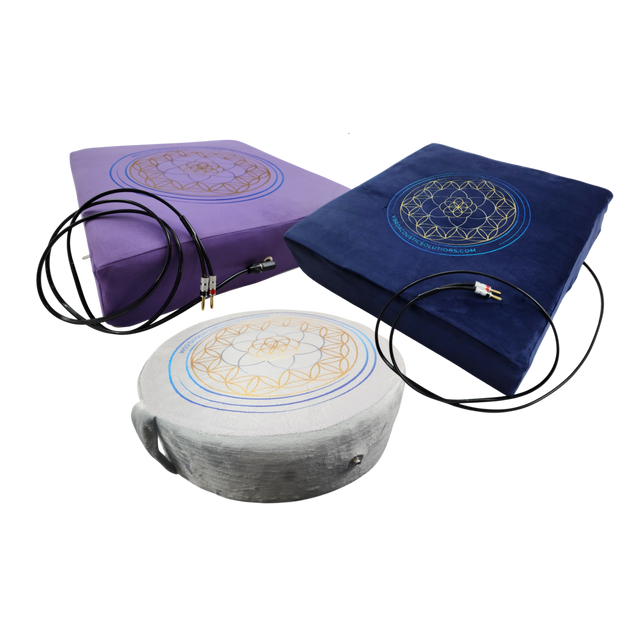
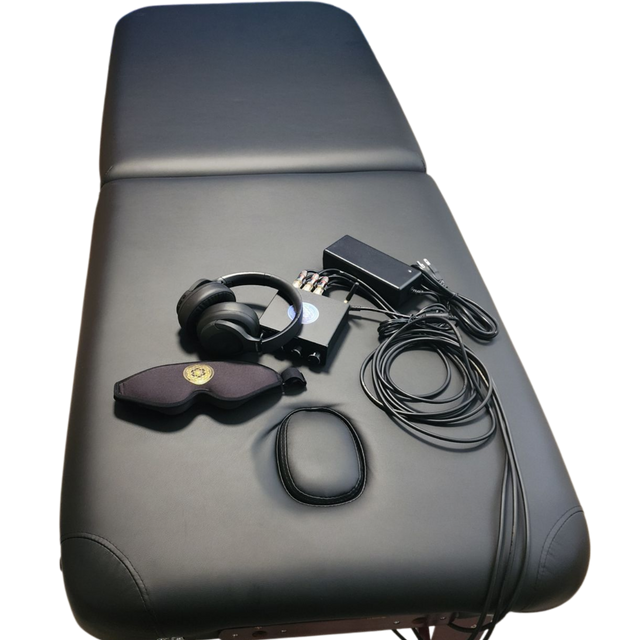
The material between the transducer and the client also shapes the experience. Thick, soft foam can absorb a large portion of low-frequency energy. A table needs enough cushioning for comfort, but not so much that the vibration becomes vague or disappears. This is why purpose-built attachment kits and conversion systems can be compelling: they allow an existing massage table to retain its familiar comfort while adding tactile audio in a more controlled way.
Amplifier control and source audio
A clinical-grade experience needs a reliable amplifier with clean power, appropriate impedance matching, and accessible volume control. Distortion is not simply an audio quality issue. Harsh or rattling vibration can interrupt relaxation and make it harder for a client to feel safe in the session.
Audio source matters just as much. Some sessions use music with naturally rich bass content, while others use frequency-based tracks that hold a consistent tone for several minutes. For example, 40 Hz has drawn considerable research interest in sensory stimulation and neural rhythm studies, while lower frequencies such as 30 Hz are commonly used in vibroacoustic practice for their deeply physical feel. The right track depends on the treatment goal, the client’s preferences, and the practitioner’s protocol.
Table construction, comfort, and workflow
A therapeutic table must still function as a table. For professional use, check the working weight capacity, frame stability, cable routing, upholstery cleanability, and whether the client can get on and off safely. If vibration hardware adds bulk underneath, make sure it does not interfere with a therapist’s legroom or table adjustments.
Portability is another practical trade-off. A fixed vibroacoustic bed can offer excellent resonance and a highly immersive experience, but it needs dedicated floor space. An attachment kit can make more sense for a massage therapist who shares a room, travels between locations, or wants to test demand before committing to a dedicated treatment bed. Home users may prefer a cushion or conversion kit when a full-size table would overwhelm the room.
How It Compares With Whole-Body Vibration Equipment
Whole-body vibration platforms and vibroacoustic tables are sometimes grouped together because both involve vibration, but they create distinctly different sessions. A platform generally relies on mechanical oscillation while the user stands, squats, or performs exercise movements. The physical goal is often neuromuscular stimulation, balance work, or conditioning.
A vibroacoustic table is designed for a reclining or prone client. Its primary input is sound-generated vibration delivered through a surface that supports stillness. The client can listen to music, use headphones, receive massage, or simply rest while the body perceives low-frequency stimulation.
Neither approach is inherently better. It depends on the setting. A fitness or rehabilitation environment may value a standing platform for movement-based programming. A massage practice, sound therapy studio, or nervous system regulation space will usually find a vibroacoustic table more aligned with the pace and intention of care.
What to Ask Before You Buy
Before selecting a system, think through the first 20 sessions rather than the first five minutes. Who will use it? How long will sessions last? Will the table support massage, guided relaxation, bodywork, or independent home use? Will clients need an especially quiet environment?
Ask the manufacturer whether the system is designed for low-frequency tactile playback, what frequency range it performs best in, how many transducers are included, and what amplifier is recommended. Clarify installation requirements, warranty coverage, cleaning guidance, and whether the table can continue to be used normally if the audio system is not running.
For practitioners, training and protocol support deserve equal weight. A powerful system without a clear intake process, volume guidance, and session structure can become an expensive novelty. Start with a simple format: five minutes of low-volume acclimation, 15 to 30 minutes of a selected program, and a quiet transition before the client stands. Invite feedback about comfort, intensity, temperature, and emotional response throughout.
Who Will Get the Most Value From One?
A clinical vibration table can be a strong addition for practitioners who already work with downregulation, recovery, sensory support, or body-based care. It can also serve home users who want a dedicated ritual for sleep preparation, stress relief, or restorative rest without adding another screen or complicated routine.
It may be less suitable for someone seeking a portable fitness device, a table for highly active exercise, or a single modality that does every job in a clinic. The best purchase is one that has a clearly defined place in your care environment.
Vibroacoustic Solutions approaches this category with that practical flexibility in mind, offering systems that can support dedicated setups as well as conversion options for existing tables and furniture. The goal is not to make every session louder or more complex. It is to give the body a stable, carefully delivered sensory signal and enough space to respond to it.
Choose a system that respects both sides of the work: the physics of low-frequency sound and the human need to feel comfortable, supported, and in control. When those elements are in place, vibration becomes more than a feature beneath the upholstery. It becomes a repeatable setting for rest, recovery, and deeper therapeutic presence.
Latest posts


Professional Frequency Equipment Review for Clinics
Read article