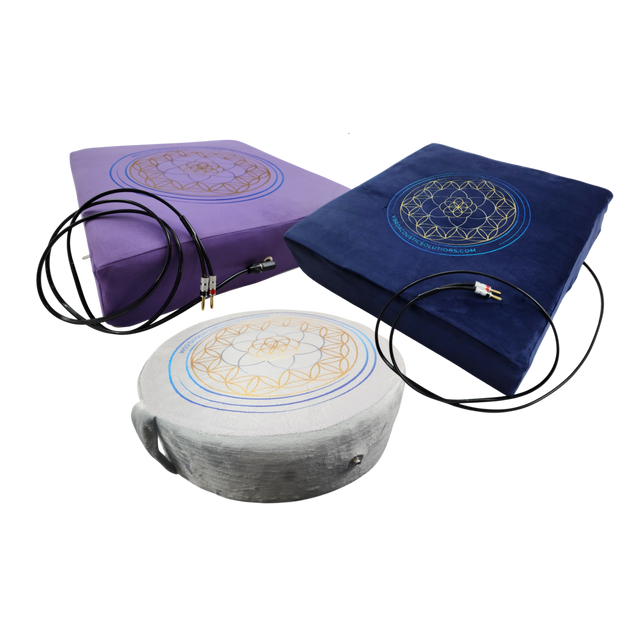
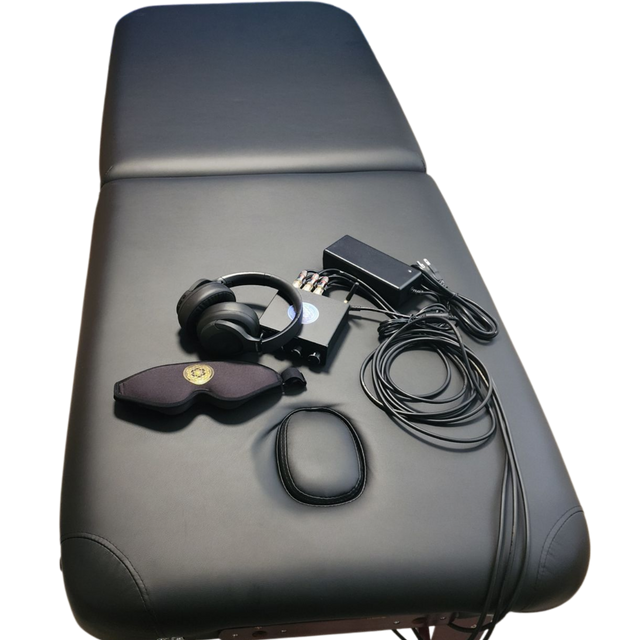
A low tone moves through the body differently than music in the air. You do not just hear it. You feel it in muscle, fascia, breath, and pressure patterns that are often hard to shift with words alone. That is the core of the question, how does vibroacoustic therapy work, and why so many clinicians and home users are turning to it for nervous system regulation, pain support, and recovery.
Vibroacoustic therapy uses low-frequency sound waves delivered through specialized equipment such as beds, mats, cushions, or treatment-table systems. Those frequencies are converted into mechanical vibration that travels into the body while the user rests in contact with the surface. In many systems, the vibration is paired with music or carefully designed audio tracks, but the therapeutic mechanism is not just listening. It is the body receiving targeted, rhythmic stimulation through sound.
How does vibroacoustic therapy work in the body?
At the most basic level, vibroacoustic therapy works by transmitting low-frequency sinusoidal sound into tissue. When those sound frequencies move through a transducer and into a chair, bed, or cushion, they create physical vibration. That vibration can influence muscle tone, circulation, sensory processing, and autonomic nervous system activity.
This matters because the nervous system is always scanning for rhythm, pressure, movement, and safety cues. Slow, predictable vibration can act as a bottom-up sensory input. Instead of asking the mind to relax first, vibroacoustic therapy gives the body a patterned stimulus that may help shift it out of high alert. For people living with chronic stress, trauma-related tension, pain, or sensory overload, that distinction is significant.
The effects are often described as a form of cellular micro-massage, but that phrase only goes so far. The more useful explanation is that low-frequency vibration may help reduce guarding in overactive muscles, improve body awareness, and create conditions that support parasympathetic activity. In plain terms, the body may begin to soften, breathing may deepen, and the sense of internal agitation may decrease.
The science behind low-frequency sound
Most vibroacoustic therapy systems operate in low-frequency ranges that are felt strongly through the body. Different frequencies may create different effects, depending on the goal, the person, and the session design. Lower frequencies are often experienced as grounding and physically immersive, while other ranges may feel more stimulating or mobilizing.
This is where the therapy becomes more than a generic relaxation tool. Frequency is not random. In clinical or practitioner settings, sessions are often chosen based on symptom patterns such as muscle tension, stress load, sleep disruption, sensory dysregulation, or recovery needs. A person with chronic neck and back tension may respond well to one protocol, while someone with anxiety and poor sleep may need a slower, more regulating session.
Researchers and practitioners have explored vibroacoustic therapy in areas including pain management, spasticity, stress reduction, rehabilitation, palliative support, and neurological regulation. The evidence base is still developing, and not every claim in the broader sound wellness market is supported equally. Still, there is meaningful interest in the role of low-frequency stimulation for somatic regulation because it engages the body directly rather than relying only on cognition or passive rest.
Why vibration can affect stress, pain, and regulation
One of the most practical ways to understand vibroacoustic therapy is through the autonomic nervous system. When the body stays stuck in sympathetic activation, muscles tighten, pain sensitivity can increase, digestion often slows, and sleep becomes less restorative. It is difficult to heal when the body reads everything as threat or effort.
Rhythmic low-frequency vibration may help interrupt that state. The body experiences consistent sensory input, often in a reclined or supported position, which can encourage downshifting. Some users describe this as finally being able to exhale fully. Others notice that pain feels less sharp, their jaw unclenches, or they become aware of how tense they had been without realizing it.
There may also be an effect on circulation and local tissue relaxation. Vibration has long been studied in rehabilitation and physical medicine contexts because mechanical stimulation can influence muscle response and comfort. Vibroacoustic therapy is not the same as percussive massage or whole-body vibration platforms, but it shares the basic principle that targeted mechanical input can create meaningful physiological change.
For people interested in vagus nerve support, the conversation gets more nuanced. Vibroacoustic therapy is not a direct vagus nerve treatment in the way some devices are marketed, but it may support vagal regulation indirectly by promoting slower breathing, reducing arousal, and improving the body’s sense of safety. That is often the more clinically useful way to frame it.
What a session usually feels like
A typical session involves lying or sitting on a vibroacoustic device while low frequencies are played through embedded transducers. You may hear music, tones, or a therapeutic audio track while the body feels synchronized vibration. Some people feel the stimulation most clearly in the back, hips, legs, or rib cage. Others notice a whole-body effect within a few minutes.
The experience is usually gentle, not jarring. Good equipment matters here. Clinical-grade systems are designed to deliver frequencies evenly and comfortably so the therapy feels supportive rather than harsh. The goal is not intensity for its own sake. More vibration is not always better, especially for users with pain flares, trauma sensitivity, autism-related sensory needs, or a highly activated nervous system.
Results also vary by timing. Some people feel calmer during the first session. Others need repeated exposure before the body starts responding more deeply. If the system is being used for chronic pain, sleep support, or sensory regulation, consistency often matters more than novelty.
How does vibroacoustic therapy work for different goals?
The mechanism stays similar, but the application changes.
For stress and anxiety support, the therapy is often used to reduce physiological arousal and help the body enter a more regulated state. For sleep, evening sessions may help quiet muscular tension and support a smoother transition into rest. For physical recovery, low-frequency stimulation may be used to promote relaxation after exercise, bodywork, or long periods of strain.
In practitioner settings, vibroacoustic therapy is often integrated with massage, somatic therapy, meditation, energy work, trauma-informed care, or rehabilitation programs. It can deepen an existing treatment by preparing the body to receive touch or helping clients stay more present during care. That integration is one reason the modality is growing. It does not always replace other therapies. Often, it makes them more effective.
For home users, the biggest advantage is access. Regular sessions at home can support nervous system hygiene in the same way people use stretching, breathwork, or heat therapy. A short session several times a week may be more helpful than one occasional intensive session, especially when the goal is ongoing regulation.
Where expectations should stay realistic
Vibroacoustic therapy is promising, but it is not a cure-all. It does not fix every pain condition, and it should not be presented as a substitute for medical care when someone has an undiagnosed issue, severe psychiatric symptoms, or complex neurological concerns. The best outcomes tend to come when the therapy is matched to the right person, the right frequency range, and the right setting.
There are also individual differences in sensory preference. Some people love deep low-frequency input right away. Others need shorter sessions, lower intensity, or a slower introduction. This is especially true for clients with trauma histories or sensory processing differences. Therapeutic technology works best when it respects the nervous system rather than overwhelming it.
That is also why equipment design matters. A well-built system allows for more precise and repeatable experiences, whether it is a full vibroacoustic bed, a cushion, or a conversion kit added to an existing treatment table. For practitioners and home users alike, the practical question is not just whether sound vibration feels good. It is whether the system can deliver consistent, targeted input that supports a therapeutic goal.
Vibroacoustic therapy sits at an interesting intersection of sound, touch, and nervous system science. It offers a non-invasive way to work with the body when stress, pain, and dysregulation have become deeply physical. And for many people, that is the missing piece - a therapy that does not ask the body to calm down on command, but gives it a structured way to get there.
Latest posts