Discounts will end in:
Discounts will end in:
0 0 0 : 0 0 : 0 0 : 0 0
Shop nowDrawer menu

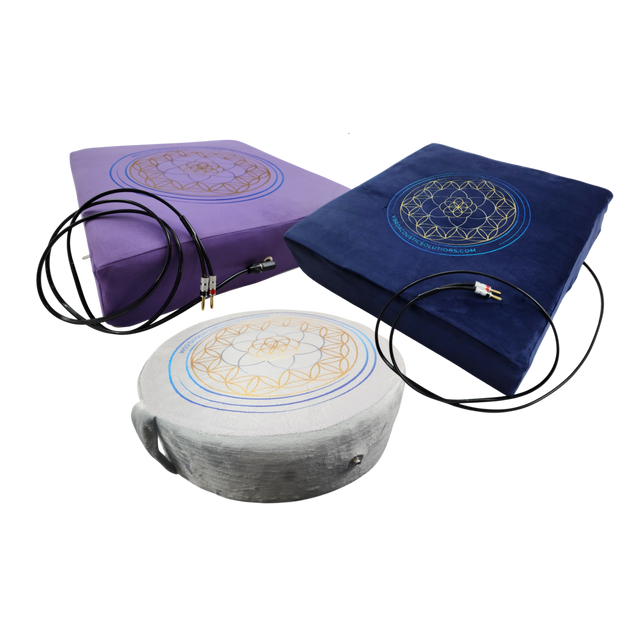
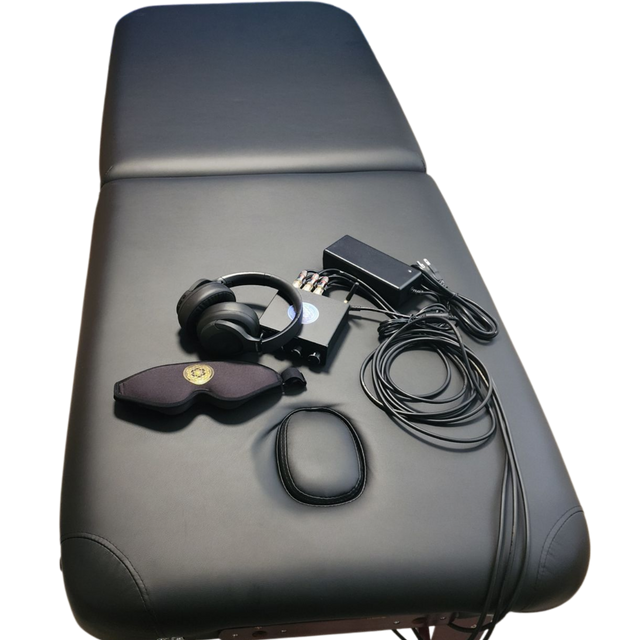
Vibroacoustic therapy (VAT) is a therapeutic approach that utilizes sound waves to create vibrations believed to have beneficial effects on the body. The 30 Hz frequency, within the low-frequency range, has been studied for its potential benefits in neurological conditions, pain management, and overall well-being. This article delves into the research surrounding 30 Hz vibroacoustic therapy, highlighting key studies, methodologies, and outcomes.
A study conducted at Wilfrid Laurier University in Waterloo, Ontario, involved 40 patients with Parkinson's disease (PD) who were treated with a vibroacoustic device using 30 Hz sound. The patients were divided into two groups—those with dominant tremor symptoms and those with slow/rigid movement symptoms. Both groups received five minutes of sound stimulation followed by one minute of silence, repeated over ten minutes. Significant improvements were observed in both groups, including reduced rigidity and improved walking speed with larger steps and less tremor.
Researchers at the University of Toronto, including Heidi Ahonen and Quincy Almeida, treated two groups of Parkinson's patients (20 with dominant tremor symptoms and 20 with slow/rigid movement symptoms) with five minutes of 30 Hz vibration. Both groups showed improvements in all symptoms, including less rigidity and better walking speed with bigger steps and less tremor.
While specific studies on 30 Hz for pain management are limited, vibroacoustic therapy generally uses low-frequency sound waves to provide relief. Sessions typically involve frequencies between 20 and 120 Hz, which can enhance relaxation and reduce pain perception.
Low-frequency sound waves, including those around 30 Hz, are known to provide deep physical cellular stimulation, aiding in relaxation, reducing muscle tension, and enhancing blood flow. This can lead to improved sleep quality, reduced stress, and increased mobility.
Vibroacoustic therapy is also used to treat stress and anxiety by promoting relaxation and reducing muscle tension. The vibrations stimulate the body's natural relaxation response, which can help manage stress-related conditions.
Research suggests that VAT can be beneficial for individuals with PTSD by addressing somatic symptoms and regulating the limbic system, which is involved in emotional memories.
30 Hz vibroacoustic therapy has been explored for various conditions, including:
Vibroacoustic therapy using the 30 Hz frequency has shown promising results in various therapeutic applications. While the current body of research is encouraging, more standardized and controlled studies are needed to fully understand the benefits and optimal treatment protocols for VAT. As technology advances and more research emerges, the potential of 30 Hz vibroacoustic therapy to improve health outcomes continues to grow.
References:
1 Vibroacoustic Research - Sound Oasis
2 Good vibrations: using sound to treat disease | University of Toronto
3 Vibroacoustic Therapy - Innova Recovery Center
4 Exploring vibroacoustic therapy in adults experiencing pain
5 Vibroacoustic Therapy in Parkinsonian Patients
6 Vibroacoustic Therapy (VAT) - Geelong Bowen & Remedial Therapies
7 The Effect of Low Frequency Sound on Heart Rate Variability and ...
8 Good vibrations: using sound to treat disease - Medical Xpress
9 Vibroacoustic Therapy - Dallas - aliveandwell.health
10 Vibroacoustic therapy - Wikipedia