A hard training session does not end when the final rep, mile, or whistle is over. The body is still managing muscle tension, fluid shifts, elevated sympathetic activity, and the nervous system demand created by performance. The best recovery tech for athletes should address one or more of these physical processes with a clear purpose, rather than simply adding another device to an already crowded routine.
Recovery technology is most useful when it helps an athlete notice patterns, downshift after exertion, and return to training with better readiness. No device can replace adequate fuel, sleep, progressive programming, or clinical care when it is needed. The right tools can, however, make recovery more consistent, more measurable, and more supportive of whole-body regulation.
What Makes Recovery Technology Worth Using?
Before choosing a device, start with the mechanism. Recovery tools tend to work through four primary pathways: mechanical stimulation, circulatory support, thermal input, or nervous system feedback. Each pathway creates a different experience in the body.
Mechanical tools apply pressure, percussion, vibration, or sound-based vibration to tissue. This input can temporarily change the sensation of stiffness, increase local circulation, and provide sensory information that helps the body relax protective muscle guarding. Compression systems use sequential pressure to support fluid movement in the limbs. Cold and heat alter tissue temperature and sensory signaling. Wearables collect markers such as resting heart rate, heart rate variability, sleep duration, and skin temperature to help guide training decisions.
The best choice depends on the athlete and the stressor. A runner with heavy, fatigued legs after travel may value compression. A strength athlete managing post-training tightness may prefer percussive therapy or vibroacoustic relaxation. An athlete who repeatedly trains hard while under-sleeping may get more value from a wearable and a better bedtime than from another muscle-focused device.
Best Recovery Tech for Athletes: The Core Categories
Percussive devices for targeted muscle input
Percussive therapy devices deliver rapid, localized pulses into superficial soft tissue. Many operate at speeds in the range of roughly 1,800 to 3,200 percussions per minute, creating mechanical stimulation that can be applied to the calves, quadriceps, glutes, upper back, and other large muscle groups.
Their greatest value is convenience. A short session after training can feel particularly helpful when an athlete experiences localized tightness or wants a brief warm-up before movement. Research on massage and percussive-style interventions suggests that they may support short-term range of motion and perceived soreness without necessarily changing every marker of muscle damage.
The trade-off is that more intensity is not always better. Pressing hard into a painful area can increase guarding, especially when the nervous system is already overstimulated. Use a lower setting, move slowly, and treat the device as sensory support rather than a tool for forcing tissue to release.
Compression systems for heavy legs and travel days
Pneumatic compression boots and sleeves inflate and deflate in chambers, applying graduated pressure to the legs or arms. This rhythmic compression is designed to encourage venous and lymphatic return, support fluid movement, and create a calming, massage-like effect after exertion or prolonged sitting.
Athletes often notice the greatest benefit after long runs, tournaments, flights, or multi-day events, when the legs feel swollen, heavy, or fatigued. Protocols commonly last 20 to 30 minutes, with pressure settings often expressed in millimeters of mercury. A moderate setting can be plenty for routine use.
Research findings are mixed but encouraging for perceived recovery, soreness, and short-term feelings of leg freshness. That distinction matters. Compression may not transform performance by itself, yet it can make recovery rituals easier to maintain. Athletes with vascular conditions, unexplained swelling, or a history of clotting concerns should seek individualized guidance before using compression equipment.
Wearables for recovery decisions, not just data
A wearable does not physically recover the body. Its role is to reveal whether the body may need a different recovery choice. Most devices use optical sensors to estimate heart rate and heart rate variability, or HRV, which measures variation in time between heartbeats. Higher or lower readings only become meaningful in the context of an athlete's own baseline, training load, sleep, illness, alcohol intake, and life stress.
The most useful metric is not a single morning score. It is a trend. If resting heart rate rises above normal for several days while HRV, sleep quality, and subjective energy decline, that pattern may support a lighter training day. If the numbers are normal but the athlete feels unusually depleted, the athlete's lived experience still belongs in the decision.
Wearables are especially valuable for people who tend to override fatigue. They can turn recovery from a vague intention into a practical conversation between data, body awareness, and training goals.
Heat and cold for different recovery needs
Heat increases local blood flow and often reduces the sensation of stiffness. It can be useful before mobility work, on rest days, or when an athlete feels generally tense. Sauna use also creates a whole-body heat stress that some athletes enjoy as part of their post-training ritual. Hydration and timing matter, particularly after high-heat training or intense endurance sessions.
Cold water immersion produces a strong sensory and temperature stimulus. Water around 50 to 59 degrees Fahrenheit is commonly used for brief exposures, often 5 to 15 minutes depending on tolerance and protocol. Cold can feel effective for acute soreness and for reducing the sense of heat and heaviness after demanding competition.
There is an important training trade-off. Frequent cold immersion immediately after strength training may be less aligned with goals centered on long-term muscle hypertrophy or adaptation, because inflammation is part of the adaptation process. It may make more sense after competition, during congested schedules, or when the priority is next-day readiness rather than maximal training adaptation.
Vibroacoustic therapy for nervous system recovery
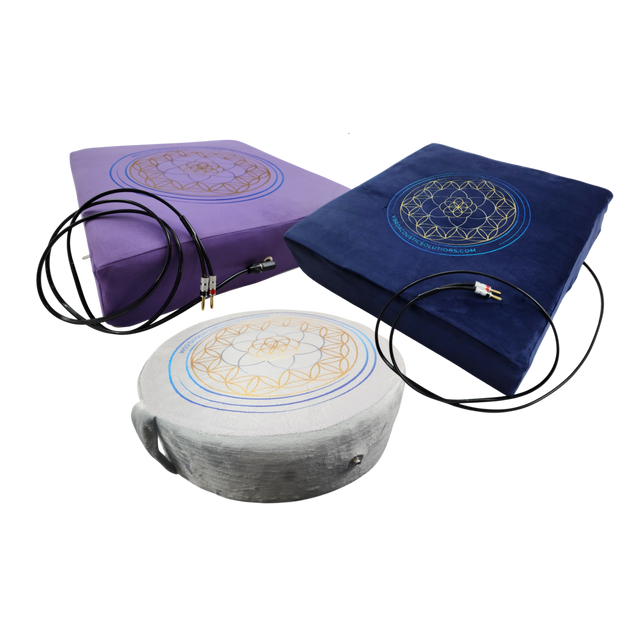
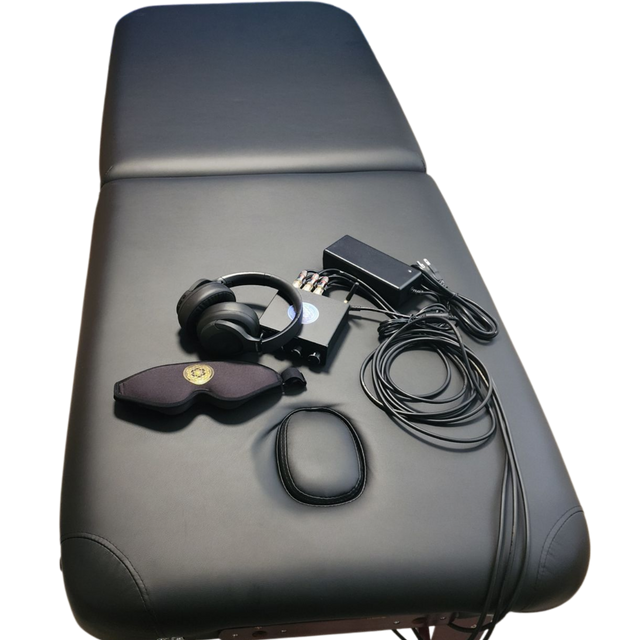
Vibroacoustic therapy brings low-frequency sound into the body through transducers built into a bed, mat, cushion, or treatment table. Rather than hearing sound alone, the athlete feels it as gentle physical vibration. Frequencies from approximately 20 to 120 Hz are commonly used, with lower frequencies often felt deeply through the torso, hips, and back.
The mechanism begins with mechanical vibration and auditory stimulation. Low-frequency sound creates rhythmic tactile input that can support body awareness, breathing, and a shift away from the high-alert state that often persists after hard training. In practical terms, it gives the athlete a structured opportunity to lie still, feel supported, and let the nervous system receive a predictable sensory signal.
Research into vibroacoustic interventions has explored relaxation, pain perception, muscle tone, and autonomic regulation. Studies using low-frequency stimulation in ranges such as 30 to 80 Hz have reported changes in perceived discomfort and relaxation, while the broader field continues to examine how frequency, session length, and individual sensory preferences shape outcomes.
For athletes, this technology can be especially meaningful when muscular fatigue is paired with poor sleep, elevated stress, or difficulty winding down. A 20- to 30-minute session after training or before bed can complement mobility work and breath-led recovery without adding another demanding task. Vibroacoustic Solutions systems are designed to make this clinical-grade somatic technology practical for home and professional settings.
How to Build a Recovery Stack Without Overdoing It
The strongest recovery routines are simple enough to repeat. Start by identifying the main bottleneck. If it is heavy legs, compression may earn its place. If it is localized stiffness, a percussive device may be useful. If it is poor readiness awareness, use a wearable. If the athlete cannot shift out of stress after training, vibroacoustic therapy, breathwork, heat, or a quiet low-light routine may offer more value than additional stimulation.
Avoid stacking every tool after every workout. An athlete does not need compression boots, cold water, percussion, sauna, and vibration in a single evening to recover well. Too many inputs can make recovery feel like another performance task. Choose one primary intervention, use it consistently for two to three weeks, and track sleep, soreness, mood, and training quality.
For practitioners, the same principle applies in a treatment room. Begin with the client's stated goal and sensory tolerance. A client who is activated, touch-sensitive, or exhausted may respond better to a supported vibroacoustic session than an aggressive manual approach. A client preparing for an event may prefer a more energizing, movement-focused protocol.
The best recovery technology is the one that fits the athlete's physiology, schedule, and nervous system. When a device helps someone slow down, listen to their body, and recover with more intention, it becomes more than equipment. It becomes part of a sustainable performance practice.
Najnowsze posty

Somatic Sound Therapy Versus Massage: Key Differences
Read article

Massage Practice Sound Table Example That Works
Read article