A tight lower back can feel like a local problem, yet pain rarely lives in one tissue alone. It is shaped by muscle guarding, nervous system alertness, sleep quality, stress load, movement patterns, and the brain's ongoing interpretation of sensory input. So, can sound therapy help pain? For many people, carefully delivered sound and low-frequency vibration can be a valuable non-invasive support for comfort, relaxation, mobility, and recovery.
The most useful way to understand sound therapy for pain is not as a passive playlist or a quick fix. It is a form of sensory input. When low frequencies are felt through the body, as in vibroacoustic therapy, the experience can influence muscle tone, breathing, attention, and the nervous system processes involved in pain perception.
Can Sound Therapy Help Pain Through the Body?
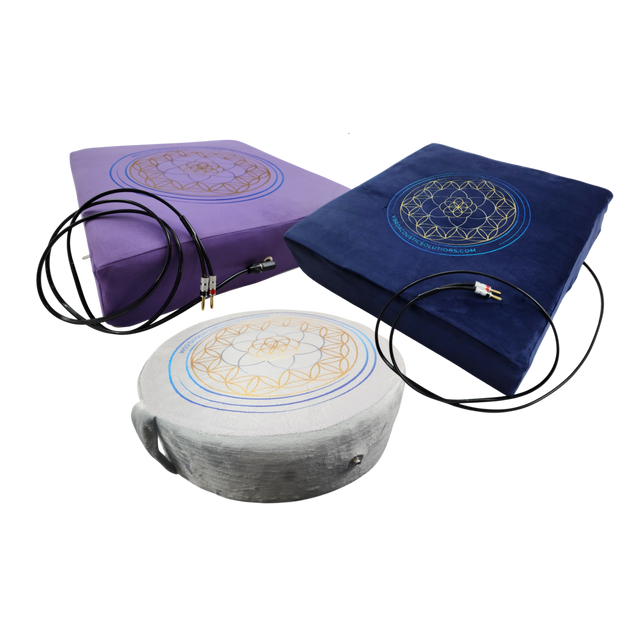
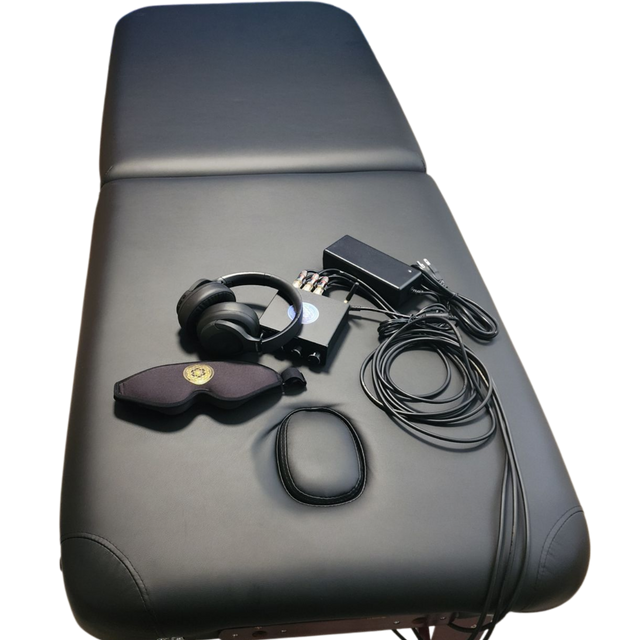
Sound is mechanical energy moving in waves. Audible sound travels through the air to the ears, while low-frequency vibration can also travel directly into the body through a vibroacoustic bed, cushion, or treatment table attachment. In vibroacoustic therapy, transducers convert audio signals into tactile vibration that is felt across the back, hips, legs, or other contact areas.
Most therapeutic vibroacoustic programs emphasize low frequencies, commonly in the range of about 20 to 120 Hz. These frequencies are not simply heard. They are experienced as rhythmic physical movement. At approximately 20 to 60 Hz, many people describe a deeper, slower sensation that can be useful for settling the body. Frequencies between roughly 60 and 120 Hz may feel more stimulating or targeted, depending on the equipment, body position, volume, and accompanying music.
That physical input matters because the nervous system is continuously sorting incoming signals. Pressure, touch, movement, temperature, and vibration all travel through sensory pathways that help the brain build its picture of the body. Pleasant vibration may compete with or soften the prominence of pain signals, a concept related to the gate control theory of pain. It can also give an overprotected area of the body a different, safer-feeling sensory experience.
This does not mean vibration erases the source of pain. Rather, it may help change the conditions that amplify it: guarded muscles, shallow breathing, stress-driven arousal, and a nervous system that has become highly watchful. For people living with persistent discomfort, that shift can be meaningful.
Why Low-Frequency Vibration May Change Pain Perception
Pain is both biological and personal. An acute ankle injury, post-exercise soreness, arthritis-related discomfort, migraine sensitivity, and longstanding low-back pain may all involve different tissues and different drivers. The common thread is that pain processing is influenced by the state of the nervous system.
Low-frequency vibroacoustic stimulation may support pain relief through several overlapping pathways. First, gentle rhythmic vibration can encourage muscle relaxation. When muscles have been bracing for hours or days, even a small reduction in protective tension can make movement feel easier.
Second, the combination of slow vibration and calming music can support downregulation. A relaxed exhale, reduced jaw tension, and slower heart rate are not cosmetic changes. They signal a shift toward parasympathetic activity, the branch of the autonomic nervous system associated with rest, digestion, and recovery. This is why many clients feel that vibroacoustic sessions create a sense of safety before they can put the experience into words.
Third, sound can influence attention. Pain naturally pulls focus toward the body part that hurts. A structured sensory experience gives the brain another meaningful signal to track: pulse, resonance, breath, melody, and physical vibration. This is not about ignoring pain. It is about broadening the nervous system's available information.
Research on vibration-based interventions has reported improvements in pain ratings, relaxation, sleep, and quality of life across varied populations, though protocols differ considerably. Small studies involving people with fibromyalgia, chronic pain, and rehabilitation needs have often used sessions of 20 to 45 minutes with low-frequency stimulation in the 30 to 80 Hz range. Researchers are especially interested in how dose, frequency, placement, music selection, and individual sensory preference affect outcomes.
Where Sound Therapy Can Fit in a Pain-Support Plan
Sound therapy is most useful when it is matched to the person's symptoms, preferences, and broader care plan. Someone whose pain rises with stress and poor sleep may benefit from a slow, settling session in the evening. Someone recovering from strenuous training may prefer a shorter session that supports body awareness and post-activity relaxation. In a clinical setting, a practitioner may use vibroacoustic therapy before massage, manual therapy, breathwork, or movement work to help the client arrive in a more receptive state.
For chronic pain, consistency tends to matter more than intensity. A powerful session that leaves the body overstimulated is not necessarily better. Many people begin with 15 to 20 minutes at a low, comfortable volume two or three times per week, then adjust according to how they feel later that day and the following morning.
A home setup can make this practice more accessible. A vibroacoustic cushion may be a practical option for seated use, while a bed system or massage table attachment can provide broader contact across the body. Vibroacoustic Solutions designs clinical-grade options for both home users and practitioners, allowing the therapy to become part of a repeatable regulation routine rather than an occasional appointment.
Choosing Frequencies With Intention
There is no single best Hz setting for every kind of pain. The right frequency is one the body can receive comfortably. Lower frequencies around 30 to 50 Hz are often chosen for grounding, rest, and a broad whole-body experience. Mid-low frequencies around 50 to 80 Hz may feel more present in areas contacting the surface. The equipment itself, including the size and placement of transducers, changes how those frequencies are felt.
Music selection matters too. Slow tempos, spacious arrangements, sustained tones, and predictable rhythms can reinforce a calming session. Some people feel deeply connected to 432 Hz music, Solfeggio tones, binaural soundscapes, or nature-based compositions because of their emotional resonance, cultural meaning, and felt sense of harmony. These experiences can be woven into a therapeutic routine when they help the person feel settled, present, and supported.
The practical measure is simple: observe the response. Does the session leave the body softer, warmer, more mobile, or ready for sleep? Or does it create agitation, numbness, headache, or fatigue? A short written log can reveal useful patterns between session length, frequency range, body position, and symptoms.
A Safe, Practical Way to Start
Begin in a comfortable position where your spine and joints are supported. Use a volume that feels clearly present but never harsh or overwhelming. Start with a 15-minute session, preferably at a time when you do not need to rush into a demanding task. Let your breath remain natural, and notice whether you are clenching the jaw, shoulders, hands, abdomen, or hips.
After the session, stand slowly, drink water if desired, and take a brief walk or perform gentle mobility work. This transition matters. The goal is to help the nervous system integrate a calmer state into ordinary movement, not to stay still indefinitely.
People with acute injuries, unexplained severe pain, recent surgery, implanted medical devices, pregnancy-related concerns, seizure disorders, or conditions involving altered sensation should speak with an appropriate licensed healthcare professional before using vibroacoustic equipment. Sound therapy can complement medical and rehabilitative care, but new, worsening, or concerning pain deserves proper evaluation.
What Realistic Results Look Like
A helpful session may not feel dramatic. It may look like falling asleep more easily, needing fewer position changes at night, feeling less guarded during a walk, or having more capacity for physical therapy or massage. Some people experience immediate comfort, while others notice change after repeated sessions as their body learns that rest and movement can feel safer.
The most promising question is not whether a frequency can force pain away. It is whether regular, well-tuned sensory support can help your body spend more time in a state where recovery is possible. When sound is felt as much as heard, it can become a practical bridge back to ease, agency, and more comfortable daily life.
Latest posts


Vibroacoustic Systems for Therapeutic Regulation
Read article