A tight neck can invite massage. A body that feels wired, shut down, or unable to settle may need a different entry point: gentle, rhythmic sensory input that the nervous system can receive without being touched. That is the central distinction in somatic sound therapy versus massage. Both can support relaxation, recovery, and body awareness, but they work through different physical pathways and create different therapeutic experiences.
For clients, home users, and practitioners, the question is not which modality is universally better. It is which kind of input matches the person, the symptom pattern, and the intention of the session.
How Somatic Sound Therapy and Massage Work
Massage is mechanical therapy applied from the outside in. A trained practitioner uses hands, forearms, or tools to apply pressure, glide across soft tissue, mobilize an area, and encourage circulation and movement. The skin, fascia, muscles, and sensory receptors all receive localized input. A massage therapist can continually adjust depth, direction, and technique based on what they feel in the tissue and what the client reports.
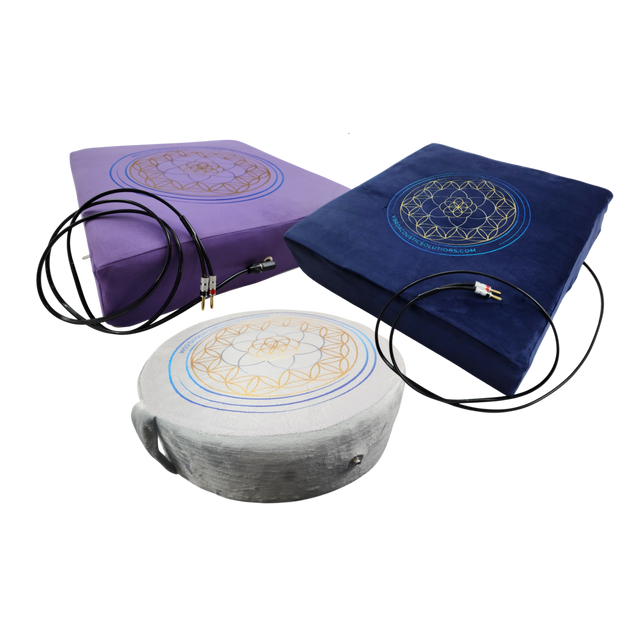
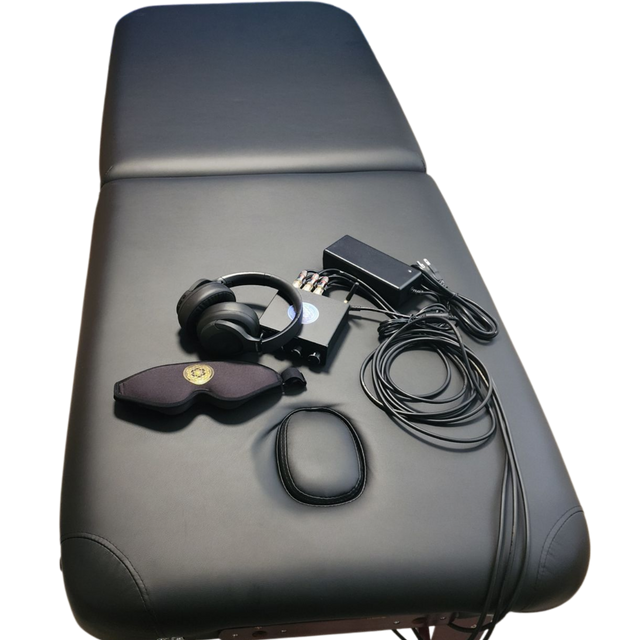
Somatic sound therapy, often delivered through vibroacoustic technology, works differently. Low-frequency sound is converted into precisely controlled vibration through transducers in a bed, cushion, chair, or massage table attachment. Rather than simply hearing sound through the ears, the body feels it as tactile vibration. This is sometimes called sound-based somatic input.
Many vibroacoustic sessions use frequencies in the approximate 20 to 120 Hz range. Frequencies below about 20 Hz are generally considered infrasonic, while frequencies above that threshold can be both heard and felt depending on volume, equipment, and the individual. Lower frequencies around 30 to 60 Hz are commonly experienced as broad, grounding vibration through the torso and pelvis. Higher low-frequency ranges, such as 60 to 120 Hz, may feel more localized or energizing depending on the placement of the transducers and the program design.
The physical mechanism matters. Repetitive vibration creates tiny cycles of pressure and release in contact with the body. This may be experienced as a cellular-scale micro-massage, while sensory receptors in the skin, muscles, and joints send signals to the brain about pressure, movement, and safety. At a comfortable intensity, predictable rhythm can give the nervous system a steady pattern to orient toward. For many people, that makes downshifting feel less like a decision and more like a physiological response.
Massage also affects the nervous system, but its route is more direct and interpersonal. Pressure, warmth, therapeutic presence, and slower breathing can support parasympathetic activity. Research on massage most consistently identifies short-term improvements in perceived stress, muscle discomfort, and relaxation, although results vary by technique, session frequency, and the condition being addressed.
Somatic Sound Therapy Versus Massage: The Session Experience
Massage requires hands-on contact. For many people, that contact is deeply regulating. It can feel caring, specific, and relieving, especially when an experienced therapist finds areas of persistent guarding or restricted movement. It also requires the client to be comfortable with touch, body positioning, scheduling, and the practical realities of a treatment room.
Vibroacoustic therapy can offer a lower-touch alternative. The client remains clothed and rests on or against the system while sound and vibration move through the body. This can be especially useful for people who feel overstimulated by manual work, have touch sensitivity, need personal space, or want a restorative practice they can repeat at home.
The difference is not only physical. Massage often invites an external focus: the therapist is assessing, treating, and responding in real time. Somatic sound therapy can invite internal attention. With less conversational demand and no need to tolerate hands-on pressure, some users find it easier to notice breath, tension patterns, emotional settling, or the gradual return of body awareness.
Neither experience is inherently more therapeutic. A person with a very specific muscular complaint may prefer the precision of skilled massage. Someone whose stress shows up as whole-body bracing, poor sleep, sensory overload, or a persistent inability to rest may find that full-body low-frequency vibration meets the moment more effectively.
Where Each Modality May Fit Best
Massage tends to be a strong fit when the primary goal is focused soft-tissue work. That may include post-exercise tightness, an area that feels restricted, or a desire for hands-on assessment and manual techniques. It is also valuable when therapeutic touch itself feels safe and supportive.
Somatic sound therapy may be a better starting point when the goal is broad nervous system regulation. Because the input is rhythmic and non-invasive, it can be used before bed, after a demanding workday, during a recovery routine, or as part of a quiet sensory reset. Home systems also make repetition practical. One appointment can feel wonderful, but a consistent 20- to 30-minute practice several times per week may be more realistic for people who need regular regulation support.
For clinics, vibroacoustic equipment can expand what happens before and after hands-on care. A client may rest on a vibroacoustic massage table attachment for 10 to 15 minutes before a massage session, allowing the body to settle before manual work begins. After treatment, gentle vibration can provide a calm transition rather than sending the client immediately back into the pace of the day.
The Case for Combining Them
The most useful comparison is often not somatic sound therapy or massage. It is sequencing.
A practitioner might begin with 15 minutes of low-frequency vibroacoustic stimulation at a comfortable volume, then provide targeted massage once the client feels more settled. The first phase can reduce the demand on the client to “relax on command.” The massage phase can then address areas that need individualized manual attention.
The reverse sequence can work well too. After deeper tissue work, a gentle vibroacoustic session may help the client rest, hydrate, and integrate the experience. The optimal approach depends on the client’s sensitivity, the intensity of the massage, and whether the session goal is activation, recovery, or rest.
For home users, massage and vibroacoustic therapy can complement one another without requiring a complex routine. Self-massage, stretching, or a professional massage may address areas of physical tension, while a vibroacoustic bed or cushion supports an ongoing sensory regulation practice between appointments.
Frequency Is Part of the Therapeutic Design
Not all sound-based experiences are the same. Listening to music can shift mood and attention, while vibroacoustic therapy adds a tactile component that reaches the body through vibration. The selection of frequency, amplitude, program length, speaker or transducer placement, and body position all influence what a user feels.
Many people are drawn to familiar sound traditions, including 432 Hz music, Solfeggio tones, binaural soundscapes, and nature-based recordings. These sound experiences can carry personal meaning, ritual, and emotional comfort. Vibroacoustic therapy can be designed to honor that experience while also using low-frequency tactile stimulation as the physical foundation of the session.
More intensity is not necessarily better. A system should feel clear and enveloping, not jarring or overwhelming. Start low, particularly for people with sensory sensitivity, trauma-related tension, migraine patterns, or a history of becoming overstimulated by sound or vibration. The body’s response is useful information: easier breathing, a softened jaw, warmth, and sleepiness may indicate a good dose; agitation, bracing, or discomfort suggest reducing intensity or stopping.
Safety and Professional Judgment
Both modalities deserve thoughtful screening. Massage therapists already adapt techniques for a client’s health history, pain levels, skin integrity, recent injuries, and personal comfort. Vibroacoustic sessions similarly benefit from clear intake and conservative settings.
People with implanted medical devices, active acute conditions, pregnancy-related questions, seizure concerns, significant circulation issues, or new and unexplained pain should consult an appropriate licensed healthcare professional before adding vibration-based therapy. A qualified practitioner can also help determine whether vibration should be avoided in a particular area or introduced gradually.
For professionals, the key is to present vibroacoustic therapy accurately: as a supportive therapeutic technology that can complement clinical care, bodywork, movement, and restorative routines. It is not a replacement for medical evaluation or treatment.
Choosing the Right First Step
Choose massage when you want skilled, hands-on work and a therapist’s ability to respond directly to tissue tension. Choose somatic sound therapy when you want a low-touch, repeatable way to support relaxation, sensory grounding, and whole-body regulation. Choose both when the body needs focused care and the nervous system needs a gentler path toward receiving it.
The best therapeutic experience is the one that leaves a person feeling more present in their body, not pushed past it. Whether that begins with trained hands, low-frequency vibration, or a carefully designed combination, the goal is the same: create conditions in which the body can settle, recover, and respond with greater ease.
Najnowsze posty


Massage Practice Sound Table Example That Works
Read article