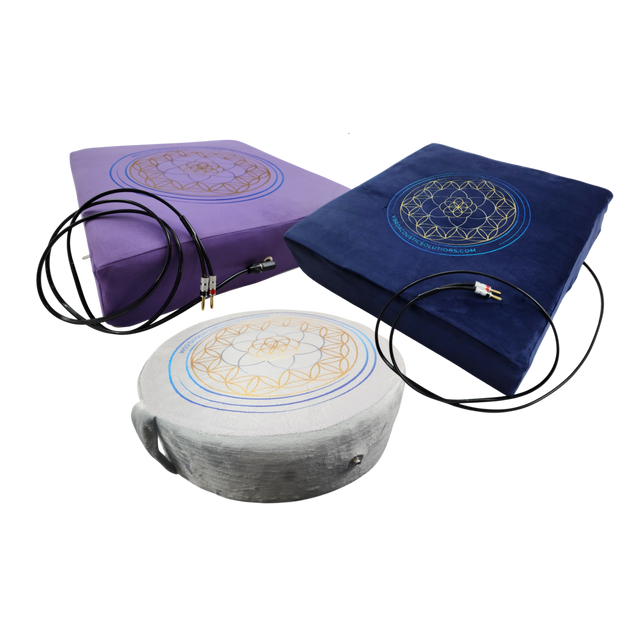
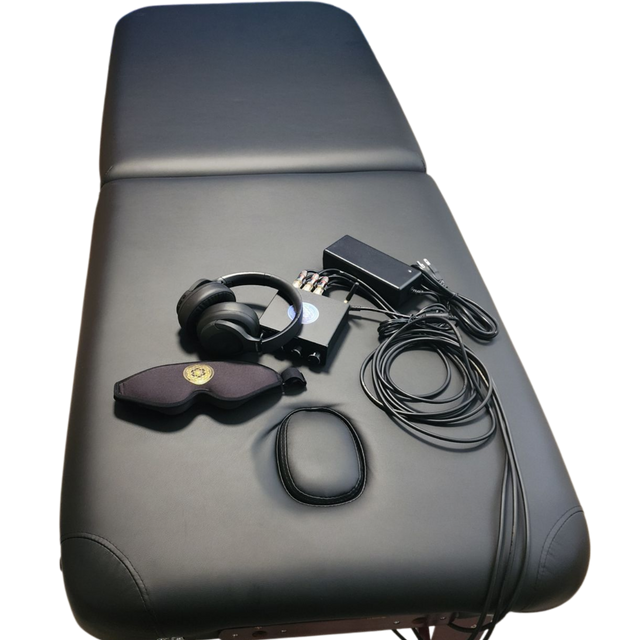
Stół zabiegowy, który wygląda zwyczajnie, może całkowicie zmienić swoje odczucia, gdy przepuści się przez niego dźwięki o niskiej częstotliwości. To jest właśnie atrakcyjność zestawu do samodzielnego montażu łóżka wibroakustycznego – pozwala on przekształcić posiadane już meble w terapeutyczną powierzchnię zaprojektowaną do wspierania relaksu, łagodzenia bólu, regulacji sensorycznej i regeneracji.
Dla wielu kupujących pytanie nie brzmi, czy terapia wibroakustyczna jest interesująca. Chodzi o to, czy samodzielne wykonanie może nadal wydawać się kliniczne, bezpieczne i skuteczne. Krótka odpowiedź brzmi tak, ale tylko wtedy, gdy zestaw jest skonstruowany z odpowiednich komponentów i gdy konfiguracja uwzględnia to, jak stymulacja wibroakustyczna faktycznie działa w ciele.
Co faktycznie robi zestaw do samodzielnego montażu łóżka wibroakustycznego
System wibroakustyczny wykorzystuje częstotliwości dźwięku, zazwyczaj w zakresie niskich częstotliwości, do generowania mechanicznych wibracji w całym ciele. Ta wibracja to nie tylko coś, co słyszysz. To coś, co czują tkanki. W zależności od użytych częstotliwości, projektu sesji i osoby ją otrzymującej, doświadczenie może wspierać regulację w dół układu nerwowego, rozluźnienie mięśni, świadomość ciała i ogólne przejście w kierunku aktywności przywspółczulnej.
Zestaw do samodzielnego montażu łóżka wibroakustycznego jest zbudowany w celu wprowadzenia tego efektu do istniejącego łóżka, stołu do masażu, stołu terapeutycznego lub tapicerowanej platformy. Zamiast kupować w pełni zmontowane łóżko wibroakustyczne, instalujesz przetworniki dotykowe i powiązany sprzęt w lub na powierzchni, której już używasz. W praktyce sprawia to, że ten format jest atrakcyjny dla użytkowników domowych, którzy cenią sobie przystępność cenową, oraz dla praktyków, którzy chcą dodać terapię wibroakustyczną bez wymiany całego gabinetu zabiegowego.
Najważniejszą różnicą jest to, że prawdziwy system wibroakustyczny to nie to samo co standardowy produkt do masażu wibracyjnego lub głośnik z mocnym basem umieszczony pod materacem. Skuteczne systemy są projektowane z uwzględnieniem dostarczania częstotliwości, umiejscowienia kontaktu, wzmocnienia i sprzężenia z ciałem. Jeśli te zmienne są niewłaściwe, wynik może być hałaśliwy, słaby lub niespójny.
Dla kogo zestaw do samodzielnego montażu łóżka wibroakustycznego jest najlepszy
Ten format sprawdza się szczególnie dobrze dla osób, które posiadają już odpowiednią powierzchnię i chcą ją ulepszyć, zamiast zaczynać od zera. Masażyści często używają zestawu do przekształcenia istniejącego stołu w stanowisko do terapii wibroakustycznej. Użytkownicy domowi mogą zaadaptować leżankę, wyściełaną ławkę, platformę do leżaka zero-grawitacyjnego lub specjalistyczne łóżko wellness. Kliniki integracyjne mogą używać zestawów do przetestowania modalności przed zaangażowaniem się w zakup wielu pełnych jednostek.
Mimo to, DIY nie jest automatycznie najlepszym wyborem dla każdego. Jeśli chcesz korzystać z rozwiązania typu „podłącz i używaj” z minimalną konfiguracją, kompletny, gotowy system może być lepszym rozwiązaniem. Droga DIY ma więcej sensu, gdy liczy się budżet, liczy się personalizacja lub Twoja fizyczna konfiguracja jest na tyle niezwykła, że standardowa jednostka nie byłaby idealna.
Podstawowe części dobrego zestawu
Jakość doświadczenia terapeutycznego zależy od więcej niż jednego elementu sprzętu. Dobry zestaw zaczyna się od przetworników dotykowych, czasem nazywanych wzbudnikami lub głośnikami wibroakustycznymi, które przekształcają sygnał audio w odczuwalne wibracje. To jest serce systemu. Ich moc, jakość wykonania i reakcja na częstotliwości kształtują to, jak głębokie i równomierne jest odczucie.
Wzmacniacz ma równie duże znaczenie. Musi odpowiednio pasować do przetworników i dostarczać stabilną moc bez zniekształceń. Niedostateczne wzmocnienie może sprawić, że system będzie wydawał się słaby lub cienki. Przeciążenie komponentów może skrócić żywotność i stworzyć nieprzyjemną sesję.
Potrzebujesz również odpowiedniego okablowania, sprzętu montażowego i źródła do ścieżek audio lub częstotliwości. Niektórzy użytkownicy uruchamiają proste programy oparte na tonach, podczas gdy inni wolą wyselekcjonowane pejzaże dźwiękowe nakładane z określonymi niskimi częstotliwościami. Oba rozwiązania mogą działać, ale spójność ma znaczenie. Jeśli łańcuch sygnału jest słaby, intencja terapeutyczna zostaje utracona.
W bardziej klinicznych konfiguracjach ostatnim aspektem jest kontrola. Możliwość precyzyjnego dostosowania intensywności jest kluczowa, szczególnie podczas pracy z wrażliwymi klientami, osobami z przewlekłym bólem, w opiece świadomej traumy lub z użytkownikami neuroróżnorodnymi, którzy mogą silnie reagować na bodźce sensoryczne.
Dlaczego umiejscowienie ma większe znaczenie, niż większość ludzi oczekuje
Dwa systemy z tymi samymi częściami mogą odczuwać się zupełnie inaczej w zależności od umiejscowienia przetwornika. Dzieje się tak, ponieważ terapia wibroakustyczna opiera się na mechanicznym przenoszeniu poprzez powierzchnię i do ciała. Przetwornik zamontowany w niewłaściwym miejscu może tworzyć gorące punkty, martwe strefy lub nierównomierną stymulację.
W przypadku łóżka lub stołu na całe ciało, umiejscowienie zazwyczaj musi wspierać główne obszary kontaktu, takie jak górna część pleców, środkowa część pleców, miednica i nogi. Dokładny układ zależy od rozmiaru i gęstości materiału powierzchni. Gruba warstwa pianki memory będzie absorbować wibracje inaczej niż twardsza tapicerowana platforma. Lekka drewniana rama stołu będzie rezonować inaczej niż ciężka podstawa łóżka.
W tym miejscu DIY może stać się albo bardzo skuteczne, albo frustrujące. Zaletą jest możliwość personalizacji. Możesz dostosować układ do dokładnych wymiarów mebli i zamierzonego zastosowania. Wyzwaniem jest to, że instalacja wymaga pewnego planowania. Więcej przetworników nie zawsze oznacza lepiej. Jeśli konstrukcja nie jest zrównoważona, dodanie większej ilości sprzętu może stworzyć zamieszanie zamiast terapeutycznej klarowności.
Bezpieczeństwo i realizm terapeutyczny
Określenie "klasy klinicznej" jest używane luźno w kategoriach wellness, ale w przypadku systemów wibroakustycznych powinno oznaczać coś konkretnego. Powinno sugerować niezawodny sprzęt, wyjście zdolne do generowania częstotliwości, kontrolowaną intensywność i doświadczenie oparte na nauce regulacji somatycznej, a nie na nowości.
System DIY może absolutnie wspierać poważne cele terapeutyczne, ale nadal ważne jest, aby zachować realizm. Terapia wibroakustyczna nie jest panaceum, a wyniki różnią się w zależności od osoby, protokołu i leczonego schorzenia. Ktoś szukający wsparcia w zakresie stresu, snu, napięcia mięśniowego lub regulacji sensorycznej może reagować inaczej niż ktoś z złożonym przewlekłym bólem lub historią dysregulacji autonomicznej.
Dla praktyków, świadome użycie ma znaczenie. Rozpocznij od krótszych sesji i niższej intensywności. Zwróć uwagę na to, jak klient reaguje w trakcie i po sesji. Stymulacja o niskiej częstotliwości może być głęboko regulująca, ale w niektórych przypadkach może również wydawać się nieznana lub aktywująca, zanim ciało się przystosuje. Nie oznacza to, że system jest zły. Oznacza to, że dawkowanie ma znaczenie.
Użytkownicy powinni również przestrzegać podstawowych środków ostrożności. Osoby z niektórymi urządzeniami medycznymi, ostrymi urazami lub schorzeniami, w których wibracje mogą być przeciwwskazane, powinny zasięgnąć odpowiedniej porady medycznej przed użyciem.
Jak ocenić, czy warto kupić zestaw
Jeśli porównujesz opcje, pomiń język marketingowy i skup się na projekcie systemu. Zapytaj, czy zestaw jest przeznaczony do terapeutycznego użytku wibroakustycznego, czy tylko do ogólnych wibracji. Zapytaj, jakie przetworniki są w zestawie, jak są zasilane i do jakich powierzchni są przeznaczone. Zapytaj, czy zestaw obsługuje programowanie oparte na częstotliwościach, a nie tylko zwykłe odtwarzanie muzyki.
Dobre wsparcie edukacyjne to silny sygnał jakości produktu. Firma, która rozumie modalność, powinna być w stanie w prosty sposób wyjaśnić konfigurację, logikę rozmieszczenia i realistyczne przypadki użycia. Ten rodzaj wskazówek ma znaczenie, ponieważ najskuteczniejsze rezultaty zazwyczaj pochodzą z dopasowania sprzętu do ciała, mebli i zamierzonego celu terapeutycznego.
W tym miejscu wyspecjalizowana marka, taka jak Vibroacoustic Solutions, wyróżnia się na tle ogólnych sprzedawców sprzętu audio. Wartość nie polega tylko na komponentach. Polega na przekształceniu złożonej modalności w konfigurację, która jest przystępna, jednocześnie respektując projekt oparty na dowodach.
Zestaw do samodzielnego montażu łóżka wibroakustycznego do użytku domowego a klinicznego
W domu komfort i prostota zazwyczaj są najważniejsze. Wielu użytkowników pragnie konfiguracji, która pomoże im odprężyć się po pracy, zasnąć przed snem lub wspomóc regenerację po wysiłku fizycznym lub okresach silnego stresu. W takim otoczeniu dobrze zbudowany zestaw może stworzyć dedykowany rytuał regulacji bez konieczności posiadania dużego sprzętu.
W klinice niezawodność i powtarzalność stają się ważniejsze. System musi wytrzymać regularne użytkowanie i integrować się z szerszym przepływem pracy terapeutycznej. Dla masażystów i praktyków somatycznych stymulacja wibroakustyczna może uzupełniać pracę manualną, pomagając klientom rozluźnić wzorce obronne i osiągnąć bardziej receptywny stan. W praktykach zorientowanych na powrót do zdrowia może dodać nieinwazyjną warstwę wsparcia sensorycznego i mięśniowego.
Kompromisem jest to, że użycie kliniczne często wymaga bardziej przemyślanej instalacji i mocniejszego sprzętu. Konfiguracja domowa może tolerować pewne eksperymenty. Profesjonalne środowisko zazwyczaj nie powinno.
Prawdziwa korzyść z samodzielnego montażu
Najlepszym powodem wyboru samodzielnego montażu nie są tylko oszczędności. Jest to możliwość wprowadzenia terapii wibroakustycznej do dokładnie tego środowiska, w którym chcesz, aby odbywało się leczenie. Może to być Twój stół do masażu, pokój rekonwalescencji, przestrzeń sensoryczna lub łóżko, które już kojarzysz z odpoczynkiem i bezpieczeństwem.
Gdy zestaw jest przemyślanie zaprojektowany i prawidłowo zainstalowany, rezultat może być zaskakująco wyrafinowany. Dźwięk o niskiej częstotliwości staje się czymś więcej niż tylko dźwiękiem. Staje się formą ustrukturyzowanego bodźca sensorycznego, który wspiera regulację poprzez ciało w pierwszej kolejności, co często jest dokładnie tym, czego potrzebują zestresowane lub przeciążone systemy.
Jeśli rozważasz zestaw do samodzielnego montażu łóżka wibroakustycznego, myśl mniej o nowościach, a więcej o dopasowaniu. Właściwy system powinien pasować do Twojej przestrzeni, Twoich celów i poziomu precyzji terapeutycznej, której potrzebujesz. Kiedy te elementy się połączą, znajoma powierzchnia może stać się wartościowym narzędziem klinicznym lub domowym narzędziem wellness.
Najnowsze posty


Vibration Therapy Versus Massage for Recovery
Read article