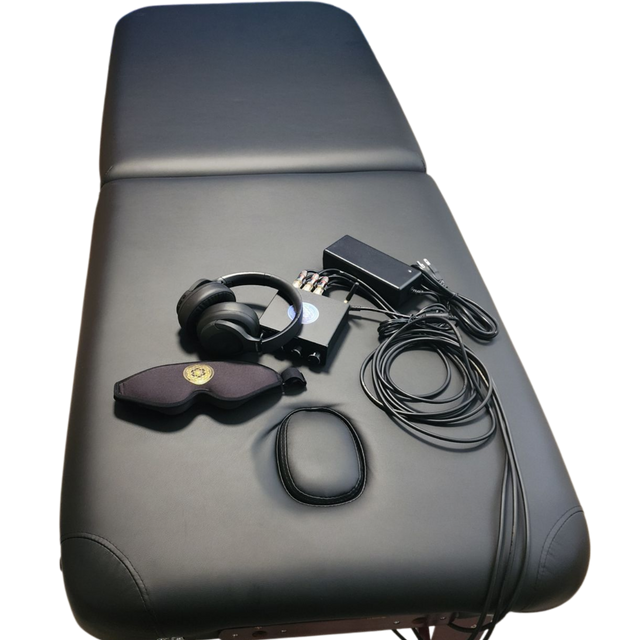
A treatment table can become more than a surface when low-frequency sound moves through it. At 30 Hz, a client may feel a slow, steady pulsing through the back and hips rather than simply hear a tone. At 60 Hz, the sensation can feel more energizing and physically present. That direct mechanical experience is why the future of frequency therapy is increasingly somatic: the body is not only listening to sound, but receiving vibration through skin, muscle, connective tissue, and the sensory nervous system.
For home users, that shift makes frequency-based care more tangible. For practitioners, it creates a way to add regulated, repeatable sensory input to massage, bodywork, counseling, occupational therapy, and recovery settings. The next phase will not be defined by louder speakers or more abstract promises. It will be defined by better delivery, more individualized protocols, and a clearer understanding of how low-frequency vibration supports the conditions in which rest, recovery, and regulation can happen.
Why the Future of Frequency Therapy Starts With the Body
Vibroacoustic therapy uses audio signals, typically delivered through tactile transducers, to create physical vibration in a bed, mat, chair, cushion, or treatment table. Unlike conventional music listening, the low end of the sound spectrum is transferred into the body as measurable movement. Frequencies from roughly 20 to 120 Hz are especially relevant because they can be felt clearly through large areas of the body while remaining comfortable for many users.
The mechanism matters. Mechanical vibration stimulates cutaneous receptors in the skin and can influence proprioceptive awareness - the nervous system’s sense of where the body is in space. Slow, predictable rhythmic input also gives the brain a stable sensory pattern to track. For someone carrying chronic tension or feeling overstimulated, that pattern can make it easier to notice breath, muscle guarding, and areas of contact with the table or bed.
This is not one universal response. A 25 to 40 Hz session may feel settling for one person and too intense for another, especially when sensory sensitivity is high. A carefully chosen frequency, volume, session length, and body position can change the experience significantly. The future of clinical-grade frequency therapy therefore depends on dosage, not just on the presence of vibration.
From passive listening to intentional sensory input
Audio has long been used to shape mood, attention, and relaxation. Vibroacoustics adds a tactile channel. When sound is felt through the body, a practitioner can pair it with breathwork, guided rest, massage, or a quiet recovery period without asking the client to concentrate on a complicated technique.
That matters for people who do not respond well to purely verbal approaches. A nervous system that is exhausted, hypervigilant, or sensory-seeking may benefit from beginning with safe physical sensation. The goal is not to force calm. It is to offer an organized input the body can engage with at its own pace.
Personalization Will Replace One-Size-Fits-All Sessions
The most promising development is not a single “best frequency.” It is the ability to select frequencies according to goals, tolerance, and context. A massage therapist preparing a client for hands-on work may choose a gentle, low-amplitude 30 Hz program. A home user creating an evening wind-down routine may prefer slow pulsing combined with quiet music and diaphragmatic breathing. An athlete may use a more invigorating session as part of a broader recovery ritual.
Personalization has several practical dimensions: frequency range, amplitude, waveform, music, session duration, body placement, and timing. A 10-minute session during an overstimulating afternoon is different from a 30-minute session before sleep. The same system can serve both purposes, but the protocol should change.
Future systems will likely make these choices easier without removing practitioner judgment. Expect more programmable presets, adjustable intensity controls, and symptom-oriented session libraries designed around experiences such as stress, sleep disruption, muscular tightness, sensory overload, and post-exertion recovery. The best tools will still leave room for observation: How does the person’s breathing change? Do their shoulders soften? Do they ask for more pressure, less intensity, or a shorter session?
That feedback is clinically useful. It shifts frequency therapy from a generic playlist into a responsive form of somatic care.
Better Research Will Improve Everyday Protocols
Vibroacoustic therapy has been explored in settings involving relaxation, pain support, motor function, emotional regulation, and quality of life. Published protocols vary widely, which is one reason the field needs more consistent research design. Frequency, amplitude, session length, music selection, participant needs, and treatment environment all influence results.
The next generation of studies can be more useful to clinicians when they document those details clearly. Rather than asking only whether vibration “works,” researchers can compare approaches: Does 40 Hz feel different from 60 Hz in a given population? Is a 20-minute session more tolerable than 45 minutes for a sensory-sensitive user? Does adding tactile low frequency to calming music affect perceived stress differently than music alone?
Wearable data may also play a larger role. Heart rate, heart rate variability, sleep trends, and self-reported tension can help users and practitioners recognize patterns over time. These measurements should support the person’s lived experience, not override it. A client may describe feeling grounded after a session even if a wearable captures no dramatic change, and that subjective shift still has practical value.
For professional settings, clearer documentation supports better care planning. A simple note that records frequency range, intensity, duration, position, and client response can reveal what is most supportive across several sessions.
Frequency Therapy Will Move Beyond Specialized Rooms
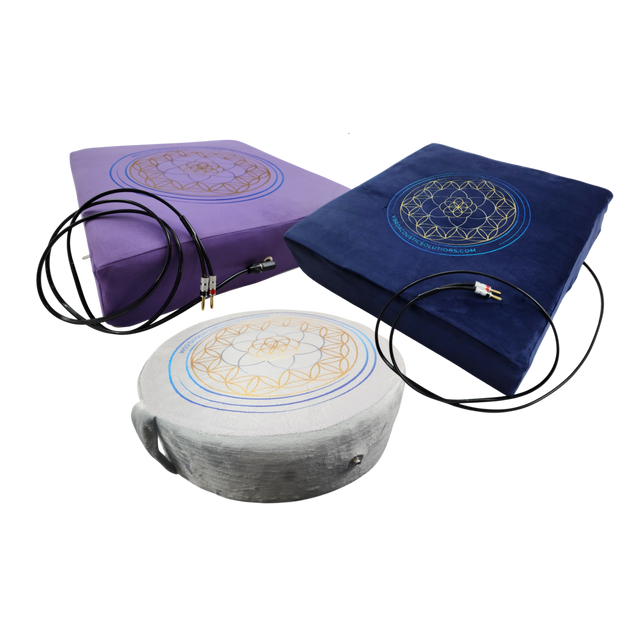
For years, vibroacoustic equipment was often associated with dedicated sound therapy spaces. The category is now becoming more flexible. A full vibroacoustic bed can create an immersive treatment experience, while a cushion or massage table attachment can bring tactile sound into an existing practice without a major renovation. DIY conversion options can also help practitioners and home users adapt furniture they already trust.
This flexibility matters because consistency is often more valuable than complexity. A home user is more likely to build a supportive routine when the system fits naturally into a bedroom, meditation corner, or recovery space. A practitioner is more likely to use vibroacoustics when it integrates smoothly with the table, workflow, and session length already in place.
Vibroacoustic Solutions reflects this practical direction: clinical-grade tactile sound does not need to be limited to a high-cost specialty installation. The future is accessible equipment that still provides enough control for thoughtful, repeatable use.
Honoring Meaning While Advancing the Science
Frequency has always carried cultural and personal meaning. Many people feel drawn to 432 Hz music, Solfeggio tones, chanting, drumming, singing bowls, or the 7.83 Hz rhythm often associated with the Schumann resonance. These practices can create a sense of connection, ritual, memory, and inner quiet that is deeply meaningful.
As technology develops, there is room for both reverence and precision. A person may choose a tone because of its spiritual resonance, while also adjusting tactile intensity for comfort and nervous system regulation. A clinician may prefer a structured low-frequency protocol, while still recognizing that the music and setting need to feel emotionally safe and welcoming.
This integration is a strength. Healing environments are shaped by mechanics, relationship, expectation, sensory comfort, and personal meaning. Frequency therapy can honor all of those layers without asking a person to choose between them.
What Responsible Growth Looks Like
More access should come with better education. Low-frequency vibration is generally experienced as gentle when equipment is properly designed and settings are introduced gradually, but more intensity is not automatically better. People with heightened sensory sensitivity may need lower amplitude, shorter sessions, or the option to stop at any time. Comfort, consent, and clear control should remain central in every home and professional application.
Practitioners also benefit from setting appropriate expectations. Vibroacoustic therapy can be a supportive component of a wider wellness or care plan, especially when stress, sleep, tension, or recovery are part of the picture. It works best when the session has a purpose, the environment feels safe, and the client is invited to describe what they notice.
The future will belong to frequency therapy that respects the body’s complexity. Start with a setting that feels comfortable, use a frequency range the body can receive without strain, and give the experience enough quiet to be felt. Often, that first moment of steady vibration and a fuller exhale is where a more regulated relationship with the body begins.
Najnowsze posty


Vibration Therapy Versus Massage for Recovery
Read article