A client who asks for deep pressure during bodywork, then flinches when the music changes, is not being inconsistent. Their nervous system may be seeking one kind of input while protecting itself from another. Learning how to assess sensory needs starts with noticing these patterns without labeling them as a problem to fix. The goal is to identify the conditions that help a person feel more organized, grounded, alert, and safe in their body.
Sensory assessment can inform a home wellness routine, a massage or sound therapy session, or an integrative care plan. It is not a substitute for a formal evaluation when one is needed. For persistent distress, major functional challenges, or concerns involving a child’s development, an occupational therapist or qualified healthcare professional can provide individualized clinical assessment.
Start With the Nervous System, Not the Symptom
The sensory system is constantly collecting information through touch, movement, sound, vision, smell, taste, and internal body signals. This information travels through peripheral nerves and spinal pathways to the brain, where it is filtered and interpreted in relation to safety, attention, movement, and emotion. When the amount, intensity, timing, or type of input does not match what a person can comfortably process, the body may move toward agitation, shutdown, fatigue, irritability, or difficulty focusing.
That is why sensory needs are rarely as simple as liking or disliking noise. Someone may seek rhythmic bass while driving because predictable low-frequency vibration feels organizing, yet find restaurant noise exhausting because it is irregular, layered, and hard to filter. Another person may need movement to focus but become overwhelmed by visual motion in a busy store.
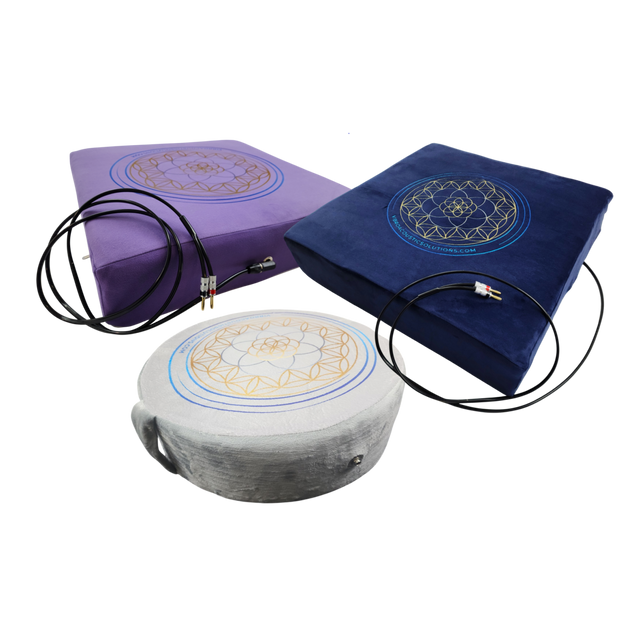
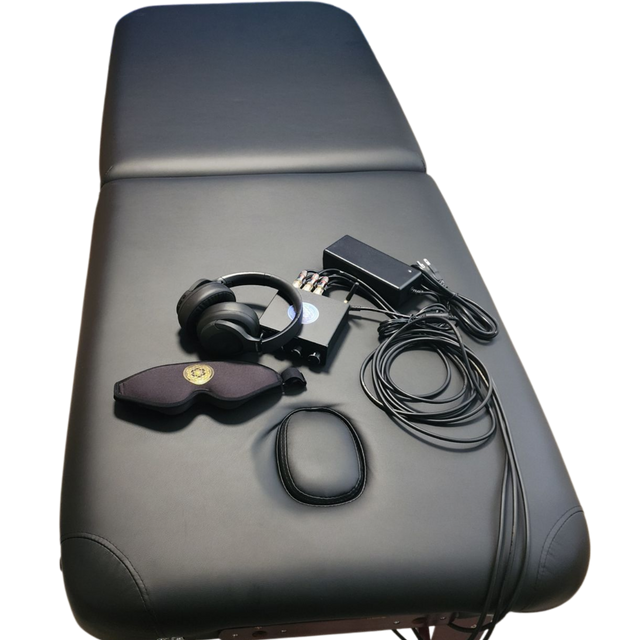
For vibroacoustic applications, the mechanism is physical. Low-frequency sound is delivered through transducers into a bed, chair, cushion, or treatment table, creating tactile vibration alongside audible sound. Frequencies commonly used in vibroacoustic therapy often fall between about 20 and 120 Hz. In this range, the body can perceive vibration through skin, muscle, and connective tissue, while rhythm and sound also engage attention and emotional state. A slow, predictable pulse may feel settling for one person and too intense for another. Assessment determines the difference.
How to Assess Sensory Needs Through Daily Patterns
Begin with real life rather than a questionnaire alone. For seven to 14 days, track what happens before, during, and after moments of dysregulation, fatigue, focus, comfort, or ease. Look for repeatable conditions, not one-off reactions. Sleep quality, pain level, hunger, hormones, illness, workload, and social stress can all change sensory capacity from day to day.
Use a simple three-part observation: the trigger, the response, and the recovery. A trigger might be fluorescent lighting, unexpected touch, a long meeting, a crowded room, stillness after exercise, or a high-pitched appliance. The response could include restlessness, muscle bracing, irritability, zoning out, headache, rapid speech, withdrawal, or a strong urge to move. Then observe what supports recovery: quiet, firm pressure, walking, warmth, music, reduced conversation, dim light, or a few minutes of low-frequency vibration.
The most useful question is not, “What bothers you?” Ask, “What changes your state?” Sensory needs are about regulation. A preferred input is one that helps someone return to a workable level of energy and presence, rather than simply providing a brief distraction.
Notice Seeking and Avoiding Without Treating Them as Opposites
Many people alternate between seeking and avoiding the same sensory channel. A person may crave deep pressure but dislike light touch. They may enjoy music they choose, yet struggle with background music they cannot control. They may want movement all day, then need near-total quiet to sleep.
This is why intensity, predictability, control, and duration matter as much as the sensory category itself. Document whether input feels better when it is gradual, rhythmic, self-directed, brief, or paired with another regulating condition such as a weighted blanket, slow breathing, or a familiar voice.
Include Interoception in the Picture
Interoception refers to the perception of internal signals, including hunger, thirst, temperature, heartbeat, muscle tension, fullness, and the need for rest. A person who notices these signals late may appear suddenly overwhelmed when their body has been under strain for hours.
Ask practical questions: Do they realize they are hungry only when they become irritable? Do they notice shoulder tension before pain develops? Can they distinguish anxiety from caffeine, overheating, exhaustion, or a need to move? Building this awareness makes sensory support more precise because it identifies needs earlier, when smaller adjustments are often enough.
Assess Each Sensory Channel With Care
A full sensory picture should include more than sound sensitivity. In conversation or session notes, explore touch, sound, movement, visual environment, smell, oral input, and internal body awareness. Keep the language descriptive: “prefers firm contact” is more useful than “touch sensitive,” and “settles with steady rhythm” offers more direction than “likes vibration.”
With auditory input, distinguish volume from complexity. Some people tolerate a loud, predictable fan better than several people talking at once. With tactile input, distinguish light, unexpected contact from steady pressure. With movement, explore whether linear movement, rocking, walking, stretching, or stillness is most regulating.
For practitioners, observe the body as well as the verbal report. Changes in jaw tension, breathing pace, fidgeting, eye contact, speech rate, skin color, and the ability to make choices can all provide useful information. A client may say they are “fine” while their shoulders lift, hands clench, and breathing becomes shallow. That does not mean you should override their words. It means you can gently check in and offer options.
Use Small, Controlled Sensory Trials
Once patterns emerge, test one variable at a time. This is safer and more informative than changing the lighting, music, pressure, and vibration all at once. Start with an input the person can control and stop easily.
For a vibroacoustic trial, begin at a low, comfortable intensity with a short duration, such as five to 10 minutes. A steady frequency in the lower range, often around 30 to 60 Hz, may provide a clear tactile experience without requiring high volume. Check in before, during, and 10 to 20 minutes afterward. Ask whether the person feels more settled, more alert, unchanged, irritated, heavy, sleepy, or disconnected.
The right setting depends on the goal. For post-work recovery, a person may prefer a slower pace, warmer environment, and longer rest period. Before a focused task, a shorter session with clear rhythm may feel more appropriate. Some clients respond best to vibration paired with calming music; others prefer minimal audible sound so they can focus on the tactile experience.
Avoid assuming that more intensity produces more benefit. The most effective dose is often the lowest level that creates a noticeable shift without strain. If someone becomes dizzy, nauseated, panicked, numb, or more activated, reduce intensity, shorten the session, change the frequency, or stop. People with specific health concerns, implanted devices, pregnancy considerations, or acute injury should seek individualized guidance before using therapeutic vibration equipment.
Turn Observations Into a Usable Sensory Plan
A sensory plan should be short enough to use on a difficult day. Instead of creating a long list of ideal habits, identify a few reliable regulation tools for different states: overstimulated, under-alert, tense, emotionally flooded, and ready for sleep.
For example, an overstimulated home user may need dim light, fewer spoken instructions, five minutes of steady low-frequency vibration, and time before responding to messages. A massage therapist may find that a client arrives guarded and benefits from a predictable explanation, a choice of sound level, and a brief vibration trial before hands-on work. A clinic owner can build this into intake by asking what helps clients recover after stressful environments, not only what symptoms they hope to change.
Reassess regularly. Sensory needs can shift with stress load, recovery, aging, medication changes, sleep debt, trauma processing, and environment. A plan that feels supportive in winter may feel too heavy or quiet in summer. Flexibility is a sign of a well-designed approach, not a failure to find the one perfect protocol.
When a Formal Assessment Adds Value
Professional assessment is especially valuable when sensory patterns interfere with school, work, relationships, sleep, eating, mobility, or participation in everyday life. Occupational therapists may use standardized tools, structured observation, and interviews to examine sensory processing alongside motor skills, routines, and functional goals.
For wellness practitioners, collaboration matters. You can document what helps a client settle during sessions and encourage them to share relevant observations with their care team. This protects client autonomy while keeping somatic support grounded in the larger context of their health.
The best sensory assessment is not a test someone passes. It is an ongoing practice of listening to the body, respecting its limits, and creating conditions where regulation becomes more available. Start small, stay curious, and let the person’s lived experience guide the next adjustment.
Najnowsze posty


Clinic Adding Vibroacoustic Therapy: An Example
Read article