Sesja z częstotliwościami może na początku wydawać się niewystarczająca – i często jest to dobry znak. Dźwięk terapeutyczny nie ma na celu zmuszania układu nerwowego do uległości. Jeśli uczysz się, jak używać częstotliwości terapeutycznych, celem jest zazwyczaj regulacja, a nie intensywność. Najskuteczniejsze sesje zazwyczaj są mierzone, powtarzalne i dopasowane do aktualnego stanu ciała, a nie do oczekiwań użytkownika.
To rozróżnienie ma znaczenie, ponieważ częstotliwości terapeutyczne są często źle rozumiane. W warunkach klinicznych lub domowych, najlepiej stosować je jako część terapii wibroakustycznej lub somatycznego wsparcia opartego na dźwięku, gdzie niskie częstotliwości są dostarczane przez ciało w kontrolowany sposób. Zamiast traktować częstotliwość jak magiczną liczbę, bardziej przydatne jest myślenie w kategoriach dawki, czasu, metody dostarczania i intencji terapeutycznej.
Co faktycznie robią częstotliwości terapeutyczne
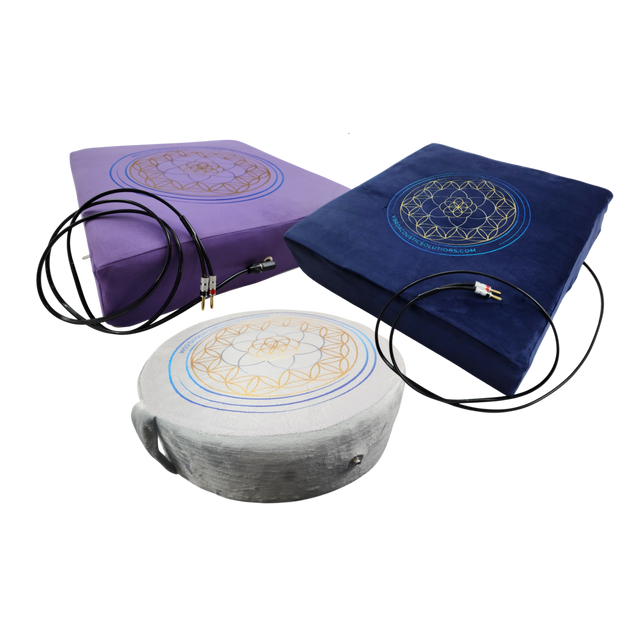
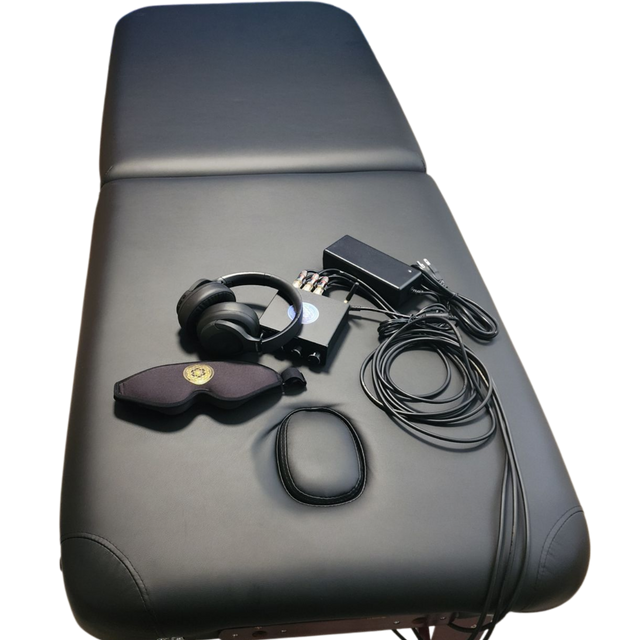
Częstotliwości terapeutyczne to częstotliwości dźwięku używane do wpływania na to, jak ciało i układ nerwowy się czują i reagują. W zastosowaniach wibroakustycznych, niskoczęstotliwy dźwięk jest przekształcany w wibracje fizyczne, które mogą być odczuwalne przez łóżko, matę, poduszkę lub stół zabiegowy. Ten dotykowy komponent sprawia, że doświadczenie różni się od prostego słuchania dźwięku przez głośniki lub słuchawki.
Ciało nie reaguje na częstotliwość w próżni. Reaguje na stymulację mechaniczną, rytm, amplitudę, długość sesji, pozycję ciała oraz poziom stresu lub wrażliwości danej osoby. Częstotliwość, która dla jednej osoby jest uspokajająca, może być dla innej nadmiernie stymulująca, jeśli intensywność jest zbyt wysoka lub sesja jest zbyt długa. Dlatego właśnie świadome stosowanie zaczyna się od dopasowania sesji do obrazu objawów.
Na przykład, osoba z chronicznym napięciem może skorzystać z powolnej, stałej stymulacji niskoczęstotliwościowej, która sprzyja rozluźnieniu mięśni i obniżeniu pobudzenia. Osoba korzystająca z wsparcia wibroakustycznego do regeneracji po wysiłku może preferować inny wzorzec, intensywność lub czas trwania sesji. Pytanie nie dotyczy tylko tego, jakiej częstotliwości użyć. Chodzi o to, jak ta częstotliwość jest dostarczana w kontekście terapeutycznym.
Jak stosować częstotliwości terapeutyczne w domu lub w praktyce
Najbezpieczniejszym i najskuteczniejszym sposobem na rozpoczęcie jest krótka sesja, umiarkowana głośność i jasny cel. Zdecyduj, czy używasz częstotliwości terapeutycznych do redukcji stresu, poprawy snu, regeneracji fizycznej, regulacji sensorycznej, czy zarządzania bólem. Ten jeden wybór ukształtuje sesję znacznie bardziej niż gonitwa za pojedynczą liczbą.
Zacznij w wygodnej, podpartej pozycji. Jeśli używasz łóżka wibroakustycznego, przystawki do stołu do masażu, poduszki lub zestawu konwersyjnego, upewnij się, że przetworniki są prawidłowo umieszczone, tak aby wibracje były rozprowadzane przez obszary, które chcesz objąć. Sesje całego ciała są często najlepsze do ogólnej regulacji, podczas gdy umiejscowienie lokalne może mieć większy sens w przypadku dyskomfortu mięśniowego lub pracy nad regeneracją.
Pierwsze kilka sesji powinno być krótkich – często wystarczy 10 do 20 minut. Daje to układowi nerwowemu czas na aklimatyzację. Wielu użytkowników zakłada, że silniejsze wibracje oznaczają lepsze rezultaty, ale nadmierna intensywność może wywołać napięcie, pobudzenie lub zmęczenie sensoryczne. Terapia zazwyczaj działa lepiej, gdy ciało może odbierać stymulację bez oporu.
Oddychanie również ma znaczenie. Nie potrzebujesz formalnej praktyki medytacyjnej, ale powolne oddychanie może poprawić reakcję organizmu na stymulację niskoczęstotliwościową. Kiedy oddech się uspokaja, tonus mięśni często również się zmienia. To sprawia, że sesja staje się czymś więcej niż biernym relaksem. Staje się somatycznym bodźcem wspierającym regulację.
Wybór częstotliwości w oparciu o cel
Ludzie często pytają o jedną najlepszą częstotliwość, ale rzadko tak podchodzi się do pracy wibroakustycznej o znaczeniu klinicznym. Bardziej użytecznym podejściem jest myślenie w kategoriach zakresów i rezultatów.
Do relaksacji i obniżenia pobudzenia układu nerwowego powszechnie stosuje się niższe częstotliwości, ponieważ są one głęboko odczuwalne i często doświadczane jako uziemiające. Sesje te mogą wspierać aktywność przywspółczulnego układu nerwowego, zmniejszać odczuwany stres i pomagać ciału wyjść ze stanu ciągłego pobudzenia. Często są one przydatne przed snem, po emocjonalnie wymagającej pracy lub w okresach regeneracji.
W przypadku napięcia i dyskomfortu mięśniowego, wibracje niskiej częstotliwości mogą działać jak forma komórkowego mikromasażu. Połączenie dźwięku i stymulacji mechanicznej może pomóc zmiękczyć wzorce obronne i zwiększyć świadomość ciała. W praktyce oznacza to, że sesja powinna być wspierająca i stabilna, a nie wstrząsająca.
W przypadku wsparcia sensorycznego, zwłaszcza u użytkowników bardzo wrażliwych lub borykających się z autyzmem, ADHD, napięciem związanym z traumą lub dysregulacją, mniej często znaczy więcej. Przewidywalny rytm, niższa intensywność i krótszy czas trwania są zazwyczaj bardziej tolerowane niż bardzo złożona lub agresywna stymulacja. To, co jest odczuwalne jako terapeutyczne, to często spójność.
W przypadku regeneracji po wysiłku lub dekompresji ciała, użytkownicy mogą tolerować nieco inne ustawienia niż osoby poszukujące wsparcia dla snu. Niemniej jednak, obowiązuje ta sama zasada: zacznij od niskiej intensywności, obserwuj, a następnie dostosuj. Ciało dostarcza lepszych informacji zwrotnych niż jakikolwiek język marketingowy.
Czego unikać podczas stosowania częstotliwości terapeutycznych
Jeśli chcesz osiągnąć lepsze rezultaty, unikaj traktowania sesji jako testu wytrzymałości. Dłużej nie oznacza automatycznie lepiej. Silniej nie oznacza automatycznie lepiej. Bardziej skomplikowane audio również nie oznacza automatycznie lepiej.
Jednym z częstych błędów jest nakładanie zbyt wielu zmiennych jednocześnie. Jeśli testujesz nową ścieżkę częstotliwości, nową pozycję ciała i nowy poziom intensywności w jednej sesji, trudno jest stwierdzić, co pomaga. Zmieniaj jedną zmienną naraz. Dzięki temu proces pozostaje terapeutyczny i możliwy do śledzenia.
Innym problemem jest niespójne używanie częstotliwości terapeutycznych i oczekiwanie dramatycznych rezultatów. Regulacja układu nerwowego zazwyczaj reaguje na powtarzane, bezpieczne bodźce. Jedna sesja może być przyjemna, ale regularne stosowanie często prowadzi do trwalszych zmian w jakości snu, napięciu ciała i reaktywności na stres.
Warto również zachować ostrożność w przypadku użytkowników ze złożonymi problemami medycznymi, o wysokiej wrażliwości na ból lub skłonnych do przeciążenia sensorycznego. Terapia wibroakustyczna jest nieinwazyjna, ale przemyślana intensywność nadal ma znaczenie. Jeśli dana osoba staje się bardziej pobudzona, ma bóle głowy lub jest bardziej fizycznie napięta podczas sesji, należy zmniejszyć intensywność lub czas trwania i ponownie ocenić ustawienie.
Jak rozpoznać, czy sesja działa
Efekty nie zawsze są dramatyczne. Czasami najwcześniejsze oznaki są subtelne – wolniejsze oddychanie, mniejsze napięcie szczęki, cieplejsze ciało, cichsze myśli lub poczucie, że łatwiej jest spocząć na powierzchni pod sobą. W warunkach klinicznych, praktycy mogą również zauważyć poprawę osadzenia, mniejsze napięcie mięśniowe lub lepszą tolerancję na pracę manualną po sesji wibroakustycznej.
Dla użytkowników domowych śledzenie wyników jest warte wysiłku. Zwróć uwagę na zasypianie, przebudzenia w środku nocy, podstawowe napięcie, energię po sesji oraz to, czy ciało czuje się bardziej uporządkowane lub mniej reaktywne po niej. Są to znaczące markery terapeutyczne, zwłaszcza dla osób korzystających ze wsparcia dźwiękowego w celu regulacji, a nie rozrywki.
Jeśli nic się nie zmieni po kilku sesjach, nie zawsze oznacza to, że częstotliwości nie działają na Ciebie. Może to oznaczać, że konfiguracja nie jest dopasowana do celu. Ciało może potrzebować krótszej sesji, innego umiejscowienia, niższej amplitudy lub większej spójności w ciągu tygodnia.
Jak praktycy mogą integrować częstotliwości terapeutyczne
Dla masażystów, terapeutów somatycznych i klinik integracyjnych, częstotliwości terapeutyczne mogą wzbogacić istniejące leczenie, zamiast je zastępować. Stosowane przed pracą z ciałem, mogą pomóc klientom szybciej się uspokoić i zmniejszyć napięcie ochronne. Stosowane podczas sesji, mogą pogłębić odczuwanie wsparcia. Stosowane po zabiegu, mogą pomóc przedłużyć reakcję regeneracyjną.
Najskuteczniejsza integracja jest zazwyczaj prosta. Dopasuj sesję do celu klinicznego, wyjaśnij klientowi, co będzie czuł, i utrzymuj stymulację w komfortowym zakresie. To buduje zaufanie, zwłaszcza u klientów, którzy są nowi w opiece opartej na wibracjach lub obawiają się przeciążenia sensorycznego.
W przypadku praktyk rozwijających ofertę usług, jakość sprzętu ma znaczenie. Spójne dostarczanie częstotliwości, odpowiedni projekt przetworników i niezawodne umiejscowienie wpływają na wyniki. Jest to jeden z powodów, dla których wielu klinicystów szuka systemów, które łączą wskazówki edukacyjne i sprzęt terapeutyczny, co jest celem Vibroacoustic Solutions.
Praktyczny punkt wyjścia
Jeśli jesteś nowy w tej dziedzinie, zacznij od 15-minutowej sesji skoncentrowanej na relaksacji lub regeneracji. Użyj wygodnej powierzchni, utrzymuj umiarkowane wibracje i wybierz czas, kiedy nie będziesz musiał się spieszyć po zakończeniu. Zauważ, jak zmienia się Twój oddech, napięcie mięśni i stan psychiczny w ciągu godziny po sesji.
Następnie powtórz tę samą sesję kilka razy, zanim wprowadzisz większe zmiany. Częstotliwości terapeutyczne działają najlepiej, gdy stają się niezawodnym sygnałem bezpieczeństwa i uspokojenia. Ciało uczy się przez powtarzanie.
Dobrze wykorzystany dźwięk to nie tylko coś, co słyszysz. Staje się czymś, co Twój układ nerwowy rozpoznaje jako wsparcie – stabilne, fizyczne i wystarczająco ugruntowane, aby sprostać Twoim potrzebom.
Najnowsze posty


Vibration Therapy Versus Massage for Recovery
Read article