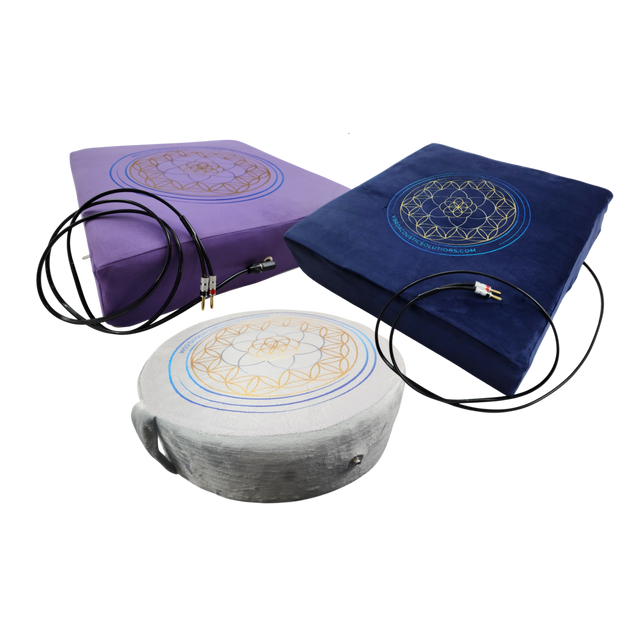
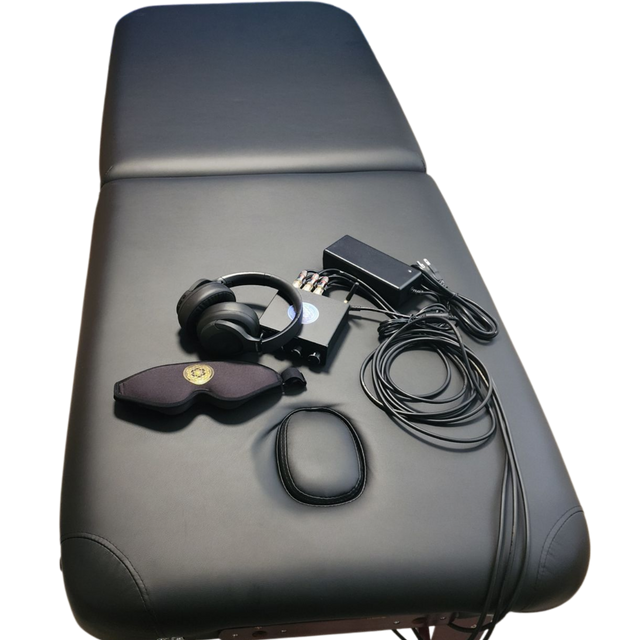
Masaż dźwiękiem o niskiej częstotliwości to nie tylko muzyka odtwarzana z głośnika. To dotykowe doświadczenie słuchowe, w którym precyzyjnie dobrane częstotliwości dźwiękowe przenikają przez łóżko, poduszkę lub stół do masażu, docierając do ciała w postaci delikatnych wibracji. Dla osób zmagających się z uporczywym napięciem, przebodźcowaniem, problemami ze snem czy fizycznym wycieńczeniem po regeneracji, to rozróżnienie ma kluczowe znaczenie: ciało nie tylko słyszy dźwięk. Ono go czuje.
Jak działa masaż dźwiękiem o niskiej częstotliwości
Technologia wibroakustyczna wykorzystuje przetworniki, zwane czasem głośnikami dotykowymi, do przekształcania sygnału audio w fizyczne wibracje. Umieszczone w stole zabiegowym, fotelu, łóżku lub poduszce, przetworniki te wytwarzają fale o niskiej częstotliwości, które rozchodzą się po powierzchni podtrzymującej ciało. Osoba poddawana zabiegowi może słyszeć łagodną ścieżkę dźwiękową lub ton, jednocześnie odczuwając powolny, rytmiczny puls na plecach, biodrach, nogach lub całym ciele.
Najczęściej stosowany zakres wibroakustyczny wynosi około 20 do 120 Hz. Częstotliwości poniżej 20 Hz uznaje się zazwyczaj za infradźwięki, natomiast częstotliwości od 20 Hz wzwyż mogą być zarówno słyszalne, jak i odczuwalne, w zależności od głośności, rodzaju przetwornika oraz obszaru ciała mającego kontakt z urządzeniem. Niższe tony są zazwyczaj odbierane jako głębokie i uziemiające. Wraz ze wzrostem częstotliwości wibracje mogą stać się bardziej zlokalizowane, zróżnicowane lub stymulujące.
Ma to znaczenie, ponieważ układ nerwowy nieustannie odbiera informacje z ciała. Ucisk, dotyk, ruch, temperatura, dźwięk i wibracje – wszystko to przyczynia się do oceny bezpośredniego otoczenia. Powolne, przewidywalne wibracje dotykowe mogą dostarczać jasnego sygnału sensorycznego, który przez niektóre osoby jest odbierany jako uspokajający i porządkujący. W połączeniu z wygodną pozycją, miarowym oddechem i kojącym pejzażem dźwiękowym, może to stworzyć warunki sprzyjające przejściu od czujności do odpoczynku.
Doświadczenie to jest często opisywane jako forma mikromasażu całego ciała. Fraza ta nie oznacza, że system zastępuje terapię manualną. Przeciwnie, wibracje oferują powtarzalną stymulację mechaniczną na szerszym obszarze, niż terapeuta byłby w stanie komfortowo objąć w jednym momencie. Dla użytkownika domowego może to uczynić praktykę wypoczynku bardziej świadomą. Dla terapeuty może pomóc przygotować klienta do masażu, pracy somatycznej, poradnictwa lub innej opieki terapeutycznej.
Częstotliwość jest odczuwana inaczej przez każde ciało
Nie istnieje jedna, idealna częstotliwość dla każdego celu. Rozmiar ciała, wrażliwość, poziom stresu, wybór muzyki, konstrukcja stołu oraz umiejscowienie przetworników – wszystko to wpływa na doznania. Częstotliwość, która dla jednej osoby jest niezwykle kojąca, dla innej może być zbyt intensywna lub pobudzająca.
W wielu ustawieniach wibroakustycznych zakres 30–40 Hz jest stosowany w celu uzyskania głęboko odczuwalnych, stabilnych wibracji. W okolicach 40 Hz odczucia mogą być wyraźne, nie stając się przy tym drażniącymi, dlatego ten zakres często pojawia się w klinicznych i badawczych protokołach wibroakustycznych. Częstotliwości w granicach 50–80 Hz mogą być odbierane jako bardziej mięśniowe i energetyzujące, zwłaszcza jeśli są dostarczane przez twardy stół lub poduszkę. Wyższe ustawienia niskich częstotliwości, zbliżające się do 100–120 Hz, mogą dodać sesji tekstury i wrażenia ruchu.
Badania nad terapią wibroakustyczną obejmowały częstotliwości 30 Hz, 40 Hz oraz oparte na muzyce programy niskoczęstotliwościowe stosowane w leczeniu bólu, relaksacji, wsparciu motorycznym i poprawie jakości życia. W małych badaniach klinicznych i programach pilotażowych uczestnicy zgłaszali poprawę w odczuwaniu relaksacji oraz redukcję dyskomfortu po sesjach wibroakustycznych. Wyniki różnią się, ponieważ różnią się protokoły: niektóre sesje wykorzystują pojedynczy ton, inne muzykę filtrowaną w celu podkreślenia niskich tonów, a czas trwania sesji może wahać się od 20 minut do godziny.
Ta zmienność nie jest słabością tej metody. To przypomnienie, by pracować z ciałem, a nie przeciwko niemu. Osoba z wrażliwością sensoryczną może preferować niższą głośność, krótszą sesję i prostszy ton. Ktoś przyzwyczajony do masażu tkanek głębokich lub intensywnego treningu fizycznego może czerpać korzyści z bardziej wyraźnych wibracji. Właściwe ustawienie to takie, które daje poczucie wsparcia, a nie przytłoczenia.
Jak może wyglądać sesja
Dobrze zaprojektowana sesja zaczyna się jeszcze przed włączeniem dźwięku. Ciało potrzebuje stabilnego podłoża, ciepła i wystarczającej ilości czasu, aby się wyciszyć. Na łóżku wibroakustycznym lub przystawce do stołu do masażu klient zazwyczaj leży wygodnie na plecach, choć pozycje na boku lub z podparciem również sprawdzają się dobrze. Wibracje powinny być wyczuwalne, ale nigdy gwałtowne.
Podczas pierwszych kilku minut wiele osób zauważa, że ich uwaga odrywa się od natrętnych myśli i kieruje ku doznaniom fizycznym. Dźwięk może wydawać się dochodzący z wnętrza stołu, a nie z zewnątrz pomieszczenia. Mięśnie mogą stopniowo się rozluźniać, oddech staje się wolniejszy, a uczucie bycia podtrzymywanym przez powierzchnię może stać się bardziej wyraźne.
Typowa sesja domowa może trwać od 20 do 30 minut. W ramach regeneracji po ćwiczeniach, krótsza, 10–20-minutowa sesja może stanowić praktyczny rytuał przed rozciąganiem, nawadnianiem lub snem. W profesjonalnym gabinecie terapia wibroakustyczna może być stosowana przez 15 minut przed pracą manualną, aby pomóc klientom "wejść" w swoje ciało, lub jako dłuższa, samodzielna sesja relaksacyjna.
Celem nie jest wymuszanie relaksacji. Niektóre osoby początkowo stają się bardziej świadome napięcia, emocji lub zmęczenia, gdy wreszcie zaznają spokoju i wspomagających bodźców sensorycznych. To może być cenna informacja. Warto wtedy zmniejszyć intensywność, skrócić sesję i pozwolić, by praktyka z czasem stała się bardziej znajoma.
Wykorzystanie masażu dźwiękiem do regulacji i regeneracji
W kontekście wsparcia układu nerwowego konsekwencja jest często ważniejsza niż intensywność. Skromna rutyna masażu dźwiękiem o niskiej częstotliwości kilka razy w tygodniu może być bardziej użyteczna niż sporadyczna sesja o wysokiej intensywności. Potraktuj to jako tworzenie niezawodnego sygnału sensorycznego dla organizmu, aby "zwolnić tempo".
Użytkownicy domowi często włączają sesje w momenty, które już mają znaczenie: po pracy, przed snem, po podróży lub po wymagającym wysiłku fizycznym. Połączenie sesji ze stłumionym światłem, kocem i pokojem wolnym od telefonu może wzmocnić komunikat, że ciało ma przyzwolenie na zatrzymanie. Jeśli priorytetem jest sen, wybierz delikatniejszą głośność i unikaj bardzo dramatycznej muzyki, która przyciąga uwagę na zewnątrz.
Terapeuci mogą wykorzystywać sprzęt wibroakustyczny, aby pogłębić przestrzeń terapeutyczną bez komplikowania sesji. Masażysta może rozpocząć od 10 minut delikatnych wibracji przed pracą manualną. Praktyk somatyczny może używać ich podczas ćwiczeń uziemiających. Klinika integracyjna może oferować je jako cichą usługę regeneracyjną pomiędzy bardziej aktywnymi zabiegami. Sprzęt nie musi dominować w sesji. Może pełnić funkcję stabilnego fundamentu dla świadczonej już opieki.
Wybór odpowiedniego zestawu
Najlepszy system zależy od tego, gdzie i jak planujesz go używać. Pełne łóżko wibroakustyczne zapewnia najbardziej immersyjne doznania dla całego ciała i sprawdza się w dedykowanych pokojach wellness, klinikach oraz domowych strefach regeneracji. Poduszka jest bardziej elastyczna, pozwalając na korzystanie z ulubionego krzesła, kanapy czy fotela. Nakładki na stół do masażu pozwalają terapeutom dodać dźwięk dotykowy do już używanego sprzętu, podczas gdy zestawy do samodzielnej konwersji mogą przekształcić znany mebel w część zestawu terapeutycznego.
Zwróć szczególną uwagę na kontrolę częstotliwości i jakość dźwięku. Systemy klasy klinicznej powinny zapewniać niezawodną moc wyjściową niskich częstotliwości, zamiast polegać na zwykłych głośnikach, które często odtwarzają bas jako słyszalny dźwięk, nie zapewniając przy tym znaczącego doświadczenia dotykowego. Regulowana intensywność jest równie cenna, zwłaszcza w pracy z klientami o różnych profilach sensorycznych.
Weź również pod uwagę kontekst fizyczny. Solidna, dobrze podparta powierzchnia przenosi wibracje inaczej niż grubo wyściełany materac. Cichy pokój ułatwia stosowanie niższej głośności. W profesjonalnej praktyce łatwość czyszczenia, niezawodne kable i powtarzalność ustawień liczą się tak samo, jak samo doświadczenie sensoryczne.
Kilka praktycznych uwag dotyczących bezpieczeństwa
Wibracje o niskiej częstotliwości powinny być odczuwane jako komfortowe i łatwe do przerwania. Zacznij od niskiego poziomu, zwłaszcza jeśli dopiero zaczynasz przygodę z dźwiękiem dotykowym lub masz skłonność do nadwrażliwości sensorycznej. Unikaj umieszczania sprzętu w miejscach, w których wibracje mogłyby pogorszyć stan ostrego urazu. Przed użyciem skonsultuj się z odpowiednim specjalistą, jeśli jesteś w ciąży, masz wszczepione elektroniczne urządzenie medyczne, chorujesz na padaczkę lub zmagasz się ze schorzeniem, które sprawia, że ekspozycja na wibracje jest przeciwwskazana.
Dla terapeutów i właścicieli klinik świadoma zgoda jest częścią dobrej praktyki. Wyjaśnij, co może odczuwać klient, utrzymuj elementy sterujące w zasięgu ręki i sprawdzaj samopoczucie podczas pierwszej sesji. Klient zawsze powinien mieć możliwość poproszenia o zmianę głośności, częstotliwości, pozycji lub czasu trwania.
Najpotężniejszym aspektem opieki wibroakustycznej może być jej prostota: bezpieczna powierzchnia, odmierzone częstotliwości i kilka niezakłóconych minut, w których ciało może słuchać samego siebie. Niezależnie od tego, czy jest używany w klinice, czy w domu, masaż dźwiękiem o niskiej częstotliwości oferuje praktyczny sposób, aby uczynić odpoczynek czymś namacalnym, fizycznym i łatwiejszym do osiągnięcia.
Najnowsze posty

Chronic Pain Relief Room Example for Home Use
Read article
Vibroacoustic Systems for Therapeutic Regulation
Read article
Tactile Audio Versus Headphones for Regulation
Read article