A treatment room can change quickly when the nervous system has a safe, tangible cue that it is time to settle. That is the force behind today’s somatic wellness equipment trends: people are looking beyond passive relaxation tools and toward technologies that deliver measurable sensory input through sound, vibration, pressure, temperature, and movement.
For home users, the goal is often better recovery, sleep support, or a reliable way to downshift after sustained stress. For practitioners, the goal is to create a more regulated starting point for massage, bodywork, psychotherapy, sound therapy, and integrative care. The strongest trend is not more stimulation. It is more intentional stimulation, delivered at a level the body can receive.
Somatic wellness equipment trends are becoming more sensory-specific
Somatic care begins with the body’s incoming signals. Pressure, vibration, sound, warmth, and position are processed through the sensory nervous system before they become a conscious experience of comfort, alertness, or safety. Equipment is increasingly designed around this principle: give the body a clear, repeatable signal, then allow the nervous system time to respond.
This is why broad labels such as “relaxation device” are giving way to more specific categories. Buyers want to know what kind of input a system provides, where it is felt, how adjustable it is, and whether it can fit into a real routine or clinical workflow.
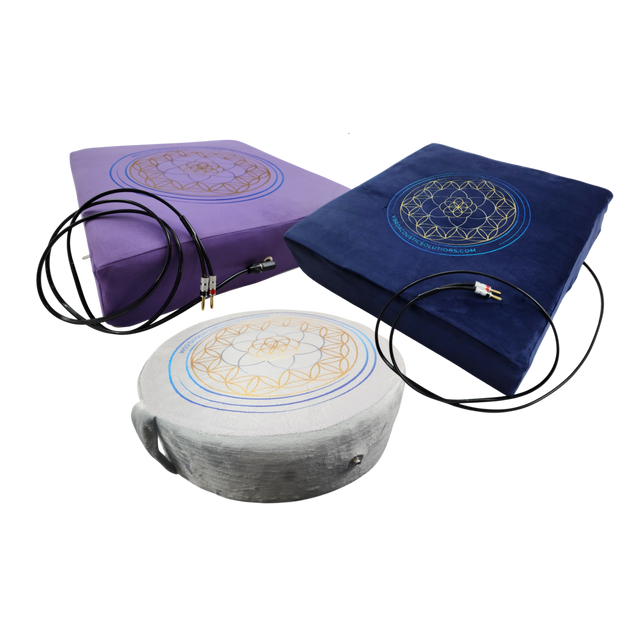
Low-frequency vibroacoustic systems are particularly relevant here. Rather than simply playing audible music into a room, a vibroacoustic bed, mat, cushion, or table attachment translates sound frequencies into physical vibration. When a transducer carries low-frequency audio through furniture, the user feels the signal through contact points across the back, hips, legs, or torso. This gives sound a tactile dimension.
The frequency range matters. Vibroacoustic sessions commonly use frequencies from about 20 to 120 Hz, with many protocols concentrating in the 30 to 80 Hz range. These low frequencies are felt more as rhythmic movement or resonance than as a sharply defined tone. At appropriate settings, the experience can support a grounded sense of body awareness without demanding cognitive effort.
From generic wellness to regulated sensory dosing
A major equipment shift is the move toward adjustable intensity. A person recovering from a demanding workout may prefer a fuller, more noticeable vibration. Someone with sensory sensitivity, trauma-related tension, migraine vulnerability, or ADHD-related overstimulation may benefit from a gentler setting and a shorter session.
This is not a minor product feature. It is a core principle of somatic regulation. More intensity is not automatically better. The useful dose depends on the person, the time of day, their sensory profile, and what else their nervous system is carrying.
The best equipment designs make these adjustments practical. Controls should be easy to reach, session lengths should be simple to set, and systems should allow a gradual increase in volume or vibration. For practitioners, this also means being able to modify the experience without interrupting rapport or asking a client to leave the table.
Low-frequency sound is moving from niche to integrated care
Vibroacoustic therapy is gaining attention because it sits at the intersection of sound therapy, body-based regulation, and accessible therapeutic technology. Its mechanism is straightforward: low-frequency audio drives a transducer, the transducer produces vibration, and that vibration is delivered through a surface supporting the body. The user hears the sound and feels it.
That combined auditory-tactile experience can be meaningful for people who find it difficult to relax through verbal instruction alone. It may help direct attention inward, soften protective muscular holding, and provide a steady sensory anchor during rest or therapeutic work.
Research has explored vibroacoustic applications across pain support, relaxation, motor rehabilitation, and neurological care. Across clinical and exploratory studies, protocols often vary substantially in frequency, duration, music selection, and delivery method. That variation is useful because it reflects real-world care: an effective session is not always one fixed number of hertz.
Some practitioners use a narrow low-frequency band, such as 40 Hz, as a consistent tactile foundation. Others use frequency sweeps that slowly move through a range, or pair vibration with music chosen for tempo, emotional resonance, and breathing pace. In either case, the equipment trend is toward systems that preserve control over the therapeutic variables instead of treating vibration as a one-setting feature.
The return of the treatment table as a therapeutic platform
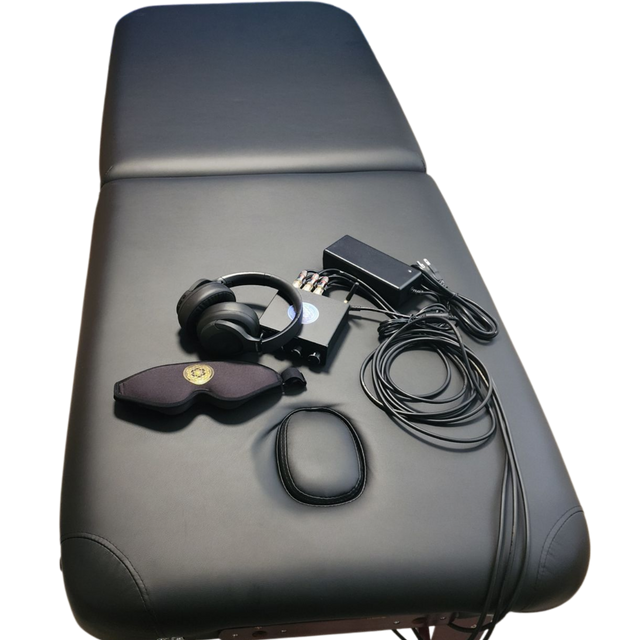
Clinics do not always need a separate room or a large new piece of furniture to add somatic technology. Modular table attachment kits and DIY conversion systems are becoming more appealing because they allow practitioners to integrate vibroacoustic therapy into equipment they already own.
This has practical value for massage therapists, chiropractors, somatic practitioners, and integrative providers working in smaller spaces. A familiar table can become a multisensory treatment surface without changing the room’s entire footprint. It can also help preserve continuity for clients who already associate that table with safety and care.
There is a trade-off. Dedicated vibroacoustic beds may offer broader body contact, a more immersive sound field, and a more intentional resting experience. Conversion kits can be more affordable and flexible, but performance depends on the table’s construction, padding, frame, and placement of the transducers. The right choice depends on whether vibration is the central service or an enhancement to existing care.
Home equipment is becoming more clinically informed
Consumers are no longer choosing wellness equipment based only on aesthetics or a promise of calm. They are asking about build quality, frequency response, session control, setup requirements, cleaning, weight capacity, and whether a device can be used consistently at home.
This is encouraging for the category. A home user managing sleep disruption or daily stress needs equipment that feels approachable, not intimidating. At the same time, they deserve tools designed with the science of somatic regulation in mind.
Compact cushions and portable systems are growing in relevance because they lower the barrier to use. A full-size bed can create a dedicated recovery environment, while a cushion may be easier to place on a favorite chair, sofa, or existing mattress. The smaller format is not necessarily a lesser experience. It simply creates more focused contact and may suit people who prefer shorter, contained sessions.
For many households, the most effective system is the one that can become part of a repeatable ritual. Ten to 20 minutes of low-frequency sound before bed, after work, or following exercise may be more useful than an elaborate setup used once a month. Consistency gives the body an opportunity to recognize the sensory pattern as a familiar cue for rest.
Personalization is replacing one-size-fits-all sessions
Personalization is perhaps the most important long-term trend. Somatic equipment is becoming less about choosing a device and more about building a protocol around the person using it.
For sleep support, a lower-intensity session with slower music and a gradual fade-out may be appropriate. For post-exercise recovery, someone may choose a more energized musical track paired with comfortable, moderate vibration. In a practitioner setting, a client may begin with five minutes of vibroacoustic input before hands-on work, then return to it at the end of the session for integration.
Sound selection also carries personal and cultural meaning. Some people feel deeply connected to Solfeggio tones, 432 Hz tuning, or nature-based soundscapes. Others prefer instrumental music, guided breathwork, or simple low-frequency pulses. Thoughtful equipment should make room for these preferences while providing reliable physical delivery of the selected audio.
At Vibroacoustic Solutions, this approach is reflected in equipment designed for both independent home use and professional integration. The goal is not to make every session identical. It is to give users and practitioners a dependable therapeutic platform that can adapt as needs change.
What to look for before investing
The most useful buying question is not “What is the most advanced device?” It is “What kind of sensory experience will I actually use, and where will it fit into care?” Consider body coverage, adjustability, portability, audio compatibility, and how easily the system can be incorporated into existing routines.
Practitioners should also consider turnover time, sanitation, client comfort, and whether the equipment complements their scope and modality. A system that is simple to operate can protect the therapeutic atmosphere of a session. A system with greater customization may be worth the learning curve when vibroacoustic work is a central offering.
As somatic wellness technology continues to mature, the most promising equipment will not be the loudest or most complicated. It will be the equipment that helps people feel their bodies more clearly, regulate at their own pace, and return to care often enough for the experience to become meaningful.
Najnowsze posty

Vibroacoustic Therapy Versus Sound Baths: Key Differences
Read article

When to Use Vibroacoustic Sessions for Relief
Read article