A sound bath can fill a room with resonance. Vibroacoustic therapy can let you feel resonance moving through the body. That distinction is the heart of vibroacoustic therapy versus sound baths: both can create a meaningful pause from stress, yet they engage the nervous system through different physical pathways.
For a person seeking rest, emotional release, or a more intentional relationship with sound, either experience may be valuable. For a massage therapist, somatic practitioner, or clinic owner, knowing where they differ helps you create sessions that match a client's sensory needs, treatment goals, and comfort level.
Vibroacoustic Therapy Versus Sound Baths: The Core Difference
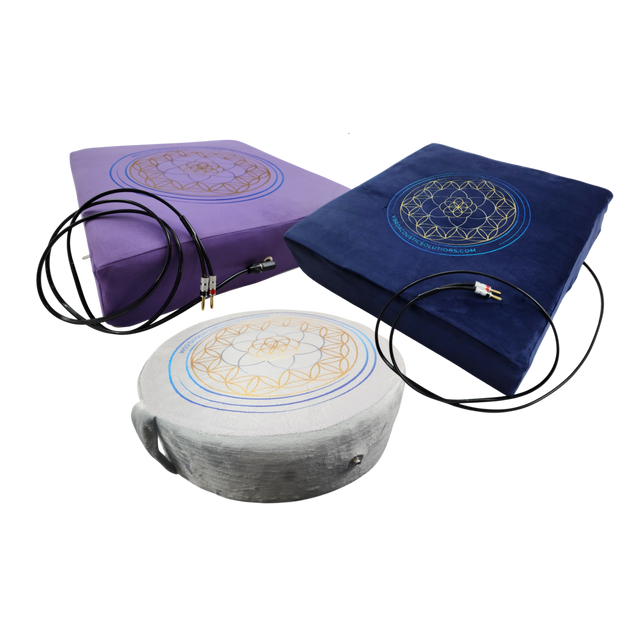
Vibroacoustic therapy, often called VAT, uses low-frequency sound delivered through a purpose-built bed, chair, cushion, or table attachment. Speakers called transducers convert an audio signal into tactile vibration. Rather than simply hearing a 30 Hz or 60 Hz tone, the person lying on the system feels that frequency through contact points across the back, hips, legs, or torso.
This matters because low frequencies are especially physical. Audible sound moves through air as pressure waves, while a vibroacoustic system also transfers mechanical vibration directly into the body through the surface supporting it. The experience is often described as a gentle internal massage or a rhythmic wave moving through areas that hold tension.
Sound baths are primarily listening experiences. A practitioner may use crystal or metal singing bowls, gongs, chimes, drums, voice, tuning forks, or electronic soundscapes to create an immersive acoustic environment. The listener receives sound through the ears and through the subtle whole-body sensation of being in a resonant space. A large gong, for example, can produce low tones that are felt as well as heard, but the delivery is still largely airborne rather than targeted through a therapeutic surface.
Neither approach is inherently better. The practical question is whether someone needs an immersive sound environment, direct low-frequency tactile input, or a combination of both.
How Frequency Reaches the Body
A vibroacoustic session commonly emphasizes frequencies in the approximately 20 to 120 Hz range, with many therapeutic programs concentrating around 30 to 80 Hz. These lower frequencies are well suited to tactile perception. They can be felt through the skin, muscles, and skeletal structure, especially when the body is resting directly on a vibrating surface.
A session may use steady tones, pulsed frequencies, music with enhanced low-frequency content, or carefully designed therapeutic audio. The transducers deliver vibration at a controlled level while the client listens through speakers or headphones. This pairing gives the brain two synchronized inputs: auditory sound and somatosensory vibration.
That synchronized input is central to the science of somatic regulation. Predictable, rhythmic sensory signals can give the nervous system a clear external cue of safety and steadiness. When the body is supported in a comfortable position, breathing often slows, guarding may soften, and attention can shift away from persistent mental or physical strain.
Sound baths use a broader and less standardized frequency landscape. Singing bowls, gongs, and acoustic instruments create fundamental tones alongside complex overtones. Their appeal is not only tonal precision. It is also the way layers of resonance unfold in a room, creating a spacious experience that can support reflection, meditation, and emotional processing.
Many people feel drawn to particular tunings, including 432 Hz, 528 Hz, or frequencies connected with Solfeggio traditions. These frequencies carry personal, historical, and spiritual meaning for many listeners. In practice, the quality of the experience also depends on the instrument, the room, the skill of the facilitator, the listener's state, and whether the sound feels welcoming to their system.
What Each Experience Feels Like
A sound bath often feels communal and expansive. Participants may lie on yoga mats or blankets as sound moves around the room. There is usually room for imagery, meditation, breathwork, and personal interpretation. For someone who wants to be held by a live soundscape, the human presence and evolving instrumentation can be deeply restorative.
Vibroacoustic therapy is usually more contained and body-centered. The client rests on a bed, mat, recliner, or massage table while low-frequency vibration travels through the support surface. Some people appreciate that the body receives the session even when they find meditation difficult, feel overstimulated by a large group setting, or struggle to settle into stillness.
This can be particularly relevant for people with chronic stress patterns, sleep disruption, trauma-related tension, physical recovery needs, or sensory differences associated with autism or ADHD. A carefully adjusted vibroacoustic session offers consistent input without asking the client to perform, socialize, or process verbally. For many, that sense of physical containment is part of the therapeutic value.
At the same time, direct vibration is not everyone's preferred sensory experience. Some people enjoy a gradual introduction at a lower volume or intensity. Others may prefer the open-field quality of acoustic sound, especially if they find contact-based vibration too immediate. Personal choice should guide the setup.
Precision and Repeatability in Professional Settings
For practitioners, one of the clearest differences is repeatability. A vibroacoustic system can be programmed with selected tracks, frequency ranges, duration, and intensity. That makes it easier to build a consistent protocol around a massage, bodywork session, relaxation appointment, or sensory regulation plan.
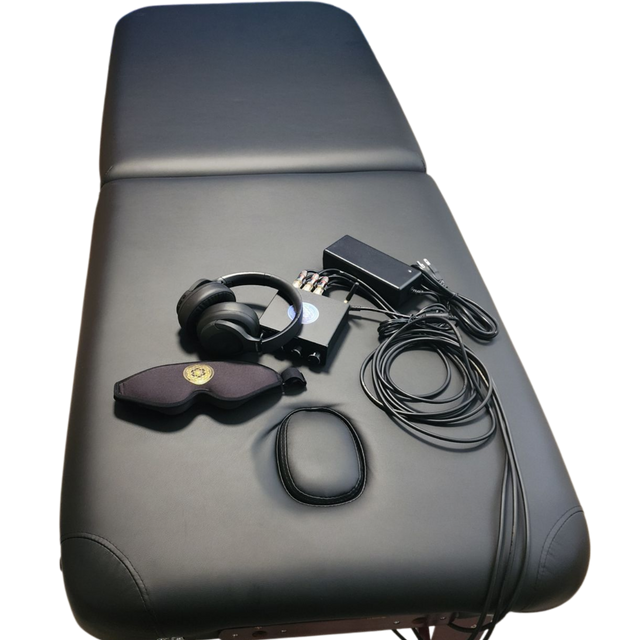
For example, a practitioner may begin with a lower-intensity 30-minute session to help a new client acclimate, then pair vibration with quiet music, guided breathing, or hands-on work. A massage table attachment kit can integrate this type of sensory support without requiring an entirely separate treatment room. Home users can apply the same principle with a cushion or bed system as part of an evening wind-down routine.
Sound baths are more responsive to the moment. A skilled facilitator can alter pace, instruments, volume, and tonal density in response to the group. That flexibility is a strength, particularly in ceremonial, meditative, and community-centered settings. It also means that one sound bath may feel very different from the next.
Research on vibroacoustic intervention has explored outcomes including relaxation, pain perception, muscle tension, mood, and quality of life. Protocols vary substantially across settings, but low-frequency stimulation, commonly in the 30 to 120 Hz range, is a recurring feature. This growing body of work is one reason clinicians and integrative practitioners increasingly view vibroacoustic therapy as more than background music. It is a distinct form of structured sensory intervention.
Choosing the Right Option for Your Goal
Choose a sound bath when you are seeking a live, immersive listening experience and enjoy the resonance of instruments in a shared or ceremonial setting. It can be an excellent complement to meditation, breathwork, reflection, and group wellness programming.
Consider vibroacoustic therapy when you want sound to be physically felt, not only heard. Its direct delivery may be especially useful when the goal is deep rest, downshifting after a demanding day, supporting body awareness, or adding a clinical-grade sensory layer to an existing care practice.
The two approaches can also work beautifully together. A practitioner might use a vibroacoustic bed for individualized sessions, then offer periodic sound baths for community connection. At home, a person may use a vibroacoustic cushion several nights per week while still attending live sound events for inspiration and emotional renewal.
A Thoughtful Approach to Safety and Comfort
A well-designed session begins with comfort. Keep volume and vibration intensity at a level that feels settling rather than overwhelming, particularly during a first session. Clients with implanted medical devices, acute injuries, pregnancy-related considerations, seizure concerns, or significant health conditions should consult an appropriate licensed healthcare professional before using vibration-based equipment.
Practitioners should also ask about sensory preferences. Some clients prefer steady, low-intensity vibration. Others respond well to musical tracks with more dynamic pulses. Giving people control over intensity, positioning, and the option to stop at any time supports the sense of safety that therapeutic sound work is meant to cultivate.
The most useful choice is the one your body can genuinely receive. Whether that means reclining on a vibroacoustic system, resting beneath the tones of a gong, or bringing both into your wellness practice, sound becomes more meaningful when it helps you feel more present, supported, and at home in your own nervous system.
Najnowsze posty

Somatic Wellness Equipment Trends Shaping Care
Read article

When to Use Vibroacoustic Sessions for Relief
Read article