Sztywny kark po długim dniu pracy i układ nerwowy, który nie może się wyciszyć, mogą wydawać się tym samym problemem. Nie zawsze tak jest. To rozróżnienie jest kluczowe przy wyborze między poduszką wibroakustyczną a fotelem masującym. Pierwsze urządzenie stosuje głównie nacisk mechaniczny na mięśnie. Drugie wykorzystuje precyzyjnie dostarczane wibracje dźwiękowe o niskiej częstotliwości, aby stworzyć sensoryczne doświadczenie dla całego ciała, które może wspierać regulację, odpoczynek i regenerację.
Żadna z opcji nie jest automatycznie lepsza. Właściwy wybór zależy od tego, czego najbardziej potrzebuje Twoje ciało, dom lub praktyka: bezpośredniej pracy z mięśniami, bodźców sensorycznych o niskiej częstotliwości, mobilności czy bardziej uniwersalnego narzędzia terapeutycznego.
Mechanizm jest najważniejszy
Fotel masujący działa poprzez ruch mechaniczny. Rolki poruszają się wzdłuż pleców, podczas gdy głowice masujące, mechanizmy perkusyjne, poduszki powietrzne, a czasem funkcja grzania wywierają nacisk lub ruch na wybrane partie ciała. Cel jest znany: odtworzyć elementy masażu manualnego poprzez bezpośrednią pracę na tkankach miękkich. Wiele osób docenia to natychmiastowe uczucie nacisku na ramionach, odcinku lędźwiowym, łydkach czy stopach.
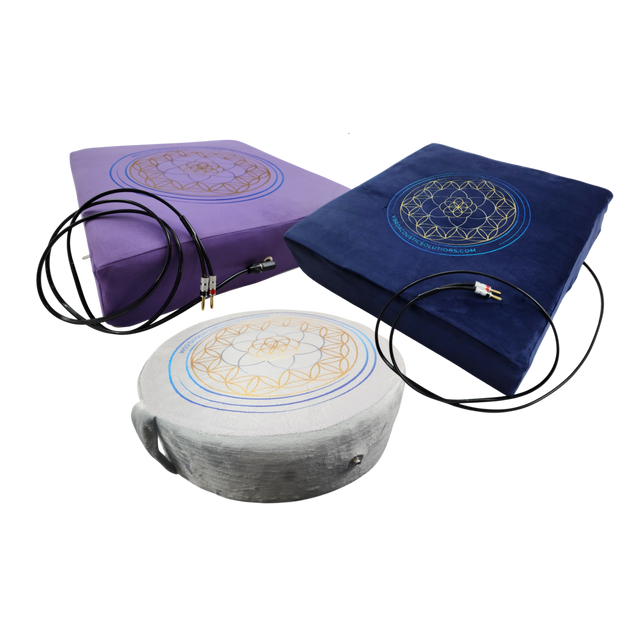
Poduszka wibroakustyczna wykorzystuje inną drogę. Przetworniki audio wewnątrz poduszki zamieniają dźwięk o niskiej częstotliwości w odczuwalne wibracje. Zamiast po prostu słyszeć dźwięk uszami, użytkownik odczuwa go całym ciałem w punktach styku. Częstotliwości powszechnie stosowane w terapii wibroakustycznej mieszczą się w zakresie od około 20 do 120 Hz, przy czym wiele sesji relaksacyjnych i poprawiających świadomość ciała wykorzystuje zakres 30–80 Hz.
Ten fizyczny bodziec ma znaczenie, ponieważ ciało nieustannie interpretuje dotyk, nacisk, ruch i rytm za pomocą receptorów czuciowych w skórze, mięśniach i tkance łącznej. Delikatna, przewidywalna wibracja może dostarczyć jasny strumień informacji sensorycznych „oddolnych”. Wielu użytkownikom pomaga to oderwać uwagę od gonitwy myśli i skierować ją na interocepcję – odczuwanie oddechu, napięcia, ciepła i stanu wewnętrznego.
Sesje wibroakustyczne często łączą tę częstotliwość dotykową z muzyką, pejzażami dźwiękowymi typu binauralnego lub jednostajnymi tonami. Dźwięk nadaje układowi nerwowemu uporządkowany rytm, a poduszka sprawia, że staje się on namacalny. Dlatego użytkownicy często opisują to doświadczenie nie jako konwencjonalny masaż, lecz jako bycie otulonym polem dźwięku.
Poduszka wibroakustyczna a fotel masujący: kluczowe różnice
Najbardziej użyteczne porównanie nie dotyczy tego, które urządzenie wydaje się bardziej luksusowe. Chodzi o rodzaj bodźców, jakie zapewnia każdy system, oraz o to, jak łatwo wpisuje się on w codzienną rutynę.
Fotel masujący został stworzony do miejscowej ulgi mechanicznej
Fotele masujące często dobrze sprawdzają się, gdy głównym celem jest bezpośredni nacisk na obolałe mięśnie. Rolki mogą dotrzeć do górnego i dolnego odcinka pleców, a funkcje kompresyjne mogą przynieść ulgę po długim staniu, treningu lub siedzeniu. Sesja jest aktywna: fotel uciska, masuje, oklepuje i kompresuje.
Może to być atrakcyjne dla osoby, która chce poczuć masaż bez konieczności umawiania wizyt u specjalisty. Może być również przydatne w domach, gdzie kilka osób ma różne preferencje co do intensywności i masowanych stref.
Wadą jest rozmiar i specyficzność. Fotele masujące wymagają wyznaczonego miejsca, mogą być ciężkie do przenoszenia i są zazwyczaj zaprojektowane w pozycji siedzącej lub półleżącej. Ich programy mogą oferować wibracje, ale funkcja ta jest zazwyczaj dodatkowym wrażeniem, a nie protokołem wibroakustycznym skoncentrowanym na częstotliwościach.
Poduszka wibroakustyczna została stworzona do regulacji sensorycznej
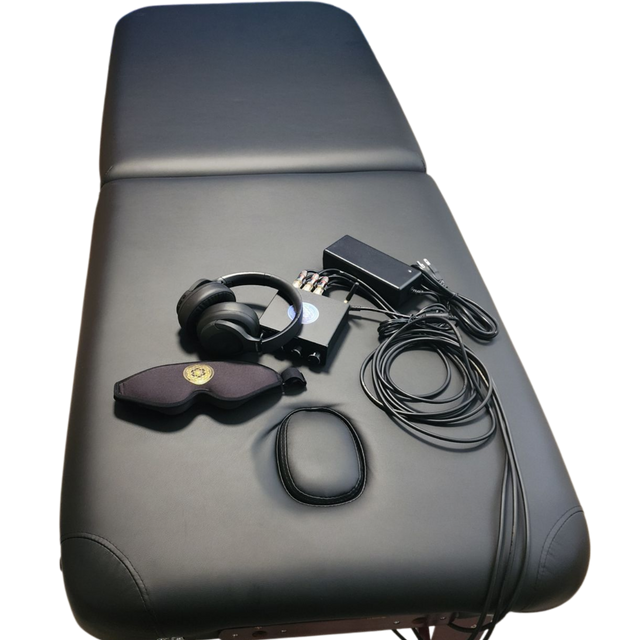
Poduszka wibroakustyczna nie próbuje imitować dłoni terapeuty. Dostarcza wibracje o niskiej częstotliwości przez ciało, gdy siedzisz, wypoczywasz, leżysz lub korzystasz z niej na stole zabiegowym, w zależności od systemu. Doświadczenie to jest zazwyczaj cichsze w obszarze mięśni i głębsze w systemie sensorycznym.
Dzięki temu poduszka jest szczególnie atrakcyjna dla osób, których dyskomfort jest ściśle związany ze stresem, zaburzeniami snu, przeciążeniem sensorycznym, napięciem związanym z traumą lub trudnościami w wyciszeniu się z wysokiego stanu pobudzenia. Może być również praktycznym rytuałem regeneracyjnym po ćwiczeniach, pracy z ciałem lub wyczerpującym dniu.
Sesja trwająca od 20 do 30 minut wystarczy, aby wiele osób zauważyło zmiany w tempie oddechu, rozluźnieniu mięśni i subiektywnym odczuciu spokoju. Protokoły można dostosowywać pod kątem częstotliwości, głośności, doboru muzyki, czasu trwania sesji i pozycji ciała. Ten poziom kontroli ma znaczenie w klinicznej terapii wibroakustycznej, gdzie celem nie jest po prostu intensywność, ale właściwa dawka bodźców sensorycznych dla danej osoby.
Doświadczenie sensoryczne jest fundamentalnie inne
W fotelu masującym czujesz zewnętrzny mechanizm działający na Twoje ciało. Z poduszką wibroakustyczną czujesz dźwięk przenikający przez Twoje ciało. Niektórzy wolą wyraźny nacisk rolek. Inni uważają ten nacisk za rozpraszający, zbyt intensywny lub utrudniający relaks.
Tu właśnie liczą się indywidualne wzorce układu nerwowego. Osoba poszukująca głębokiego nacisku może cieszyć się obydwoma technologiami. Ktoś, kto jest wrażliwy na dotyk, ale dobrze reaguje na rytm i dźwięk, może uznać terapię wibroakustyczną za bardziej przystępną. Poduszka może oferować spójne bodźce dotykowe bez zaskoczenia, jakim jest zmiana kierunku lub intensywności działania rolek.
Która opcja pasuje do Twojego celu?
Jeśli Twoim głównym pytaniem jest: „Gdzie mogę uzyskać bezpośrednią pracę nad moimi punktami napięcia?”, fotel masujący może być bardziej naturalnym wyborem. Szukaj regulacji intensywności rolek, dopasowania do Twojego wzrostu i ustawień, z których faktycznie będziesz korzystać, zamiast długiej listy zbędnych funkcji.
Jeśli Twoim pytaniem jest: „Jak mogę stworzyć niezawodną praktykę regulacji, która pomoże mi się wyciszyć, odpocząć lub zregenerować?”, poduszka wibroakustyczna może być lepszym rozwiązaniem. Jest to również dobry wybór, gdy liczy się przestrzeń, mobilność i możliwość użycia w różnych środowiskach. Poduszkę można łatwiej przenieść z kanapy na łóżko, fotel, matę do jogi czy stół zabiegowy niż duży fotel.
W przypadku wsparcia snu to rozróżnienie jest szczególnie przydatne. Masaż mechaniczny może być dla niektórych osób pobudzający, jeśli nacisk jest zbyt silny. Sesje wibroakustyczne o niskiej częstotliwości można zaprojektować jako delikatniejszy rytuał przejścia, z niższą głośnością, wygodną pozycją półleżącą i uspokajającą muzyką. Sesja nie musi być intensywna, by przynosić wymierne korzyści.
W regeneracji sportowej obie metody mają swoje miejsce. Fotele masujące mogą być satysfakcjonujące, gdy duże partie mięśni potrzebują nacisku po wysiłku. Terapia wibroakustyczna może być korzystniejsza, gdy regeneracja wymaga wyciszenia po treningu, ponownego połączenia z oddechem i zmniejszenia poczucia fizjologicznego „pobudzenia”.
Co powinni rozważyć terapeuci
Dla masażystów, terapeutów pracy z ciałem i specjalistów od odnowy biologicznej, poduszka wibroakustyczna może dodać nową warstwę sensoryczną, nie zastępując pracy manualnej, która pozostaje sercem sesji. Można ją wykorzystać podczas rozmowy wstępnej, przed pracą na stole, aby pomóc klientowi „wejść” w swoje ciało, lub podczas okresów odpoczynku, gdy dotyk nie jest potrzebny.
Praktyczną zaletą jest elastyczność. Kompaktowy system można umieścić na stole zabiegowym, istniejących meblach lub w specjalnej strefie relaksu. To daje więcej opcji niż jeden duży fotel, zwłaszcza w pomieszczeniach wielofunkcyjnych lub mniejszych gabinetach.
Otwiera to również drogę do przemyślanego projektowania protokołów. Terapeuta może wybrać delikatne doświadczenie w zakresie 30–40 Hz dla ugruntowania, zgłębiać średnie częstotliwości dla bardziej wciągającej sesji opartej na odczuwaniu ciała lub połączyć dźwięk dotykowy z instrukcjami oddechowymi i wyciszeniem. Najskuteczniejsze podejście jest oparte na współpracy: zacznij od niskich poziomów, pytaj, co czuje klient, i dostosowuj sesję na podstawie komfortu, zamiast dążyć do mocniejszych wrażeń.
Komfort i bezpieczeństwo nadal mają znaczenie
Oba urządzenia powinny dawać poczucie wsparcia, a nie przytłaczać. Zacznij od krótszych sesji i umiarkowanych ustawień, zwłaszcza jeśli dopiero zaczynasz przygodę z odnową biologiczną opartą na wibracjach lub masz nadwrażliwość sensoryczną. Poduszka powinna zapewniać wyraźną, równomierną wibrację bez hałasowania czy zmuszania Cię do przyjmowania niewygodnej pozycji.
Jeśli jesteś w ciąży, masz wszczepione urządzenie medyczne, przebyłeś ostrą kontuzję, cierpisz na zakrzepicę, ciężką osteoporozę lub masz schorzenie, na które mogą wpływać wibracje lub nacisk, przed użyciem skonsultuj się z wykwalifikowanym lekarzem. W przypadku terapeutów jasne pytania wstępne i świadoma komunikacja z klientem są częścią odpowiedzialnej opieki.
Najlepszy sprzęt to taki, który staje się częścią Twojego życia, a nie kolejnym nieużywanym zakupem. Jeśli Twoje ciało domaga się nacisku, fotel masujący może być dobrym wyborem. Jeśli domaga się rytmu, odpoczynku i bardziej elastycznej drogi do regulacji, poduszka wibroakustyczna może stać się niezwykle stabilnym towarzyszem.
Najnowsze posty


Chronic Pain Relief Room Example for Home Use
Read article
Vibroacoustic Systems for Therapeutic Regulation
Read article