A body can leave a threatening moment while its nervous system remains on alert. The shoulders stay lifted, sleep becomes light, ordinary sounds feel sharp, and stillness can feel less like rest than uncertainty. Sound therapy for trauma offers a body-first way to work with that pattern: not by asking someone to explain what happened, but by offering carefully paced sensory input that may help the system recognize safety again.
For many people, especially those who feel disconnected from body-based approaches or overwhelmed by verbal processing, low-frequency sound and vibration can create a more accessible starting point. The experience is tangible. You hear the music, but you also feel it through the back, hips, legs, and rib cage.
How Sound Reaches the Nervous System
Vibroacoustic therapy uses audible sound, usually paired with low-frequency vibration delivered through a bed, cushion, chair, or treatment table. Frequencies commonly used for tactile application fall roughly between 20 and 120 Hz. At these lower ranges, sound is not only heard through the ears. It can be felt as rhythmic movement through the body.
That physical sensation matters. Mechanoreceptors in the skin, muscles, and connective tissues continually send information to the brain about pressure, movement, and position. Slow, predictable vibration gives these sensory systems consistent input. In a well-supported setting, that input can compete with the scattered stream of threat-monitoring signals often associated with hyperarousal.
The nervous system is always making a rapid assessment: Is this environment predictable? Can I soften? Do I need to mobilize? A steady pulse at 30, 40, or 60 Hz does not force a response, but it can offer an organized sensory anchor. Paired with slow music, breath awareness, or therapeutic presence, it may support a shift from vigilance toward settling.
This is one reason vibroacoustic therapy is different from simply listening to a relaxing playlist. Music can shape attention and emotion through melody, memory, tempo, and meaning. Vibroacoustic systems add a somatic layer: low-frequency sound becomes physical vibration, often felt across broad areas of the body. For clients who struggle to “think” their way into calm, that added layer can be significant.
Why Trauma-Informed Sound Therapy Requires Choice
Trauma is not one uniform experience, and neither is regulation. Some people are soothed by a deep, sustained 40 Hz vibration. Others may feel more comfortable beginning with a lighter setting, shorter session, or music they chose themselves. For a person with a history of sensory overload, even a gentle low-frequency pulse can be too much if it arrives without preparation.
That is why trauma-informed sound therapy is built around agency. The person receiving care should know what the equipment will feel like, how long it will run, and how to pause or stop it. They should be able to adjust volume, intensity, positioning, lighting, and conversation level. Choice is not a minor comfort feature. It is part of the therapeutic environment.
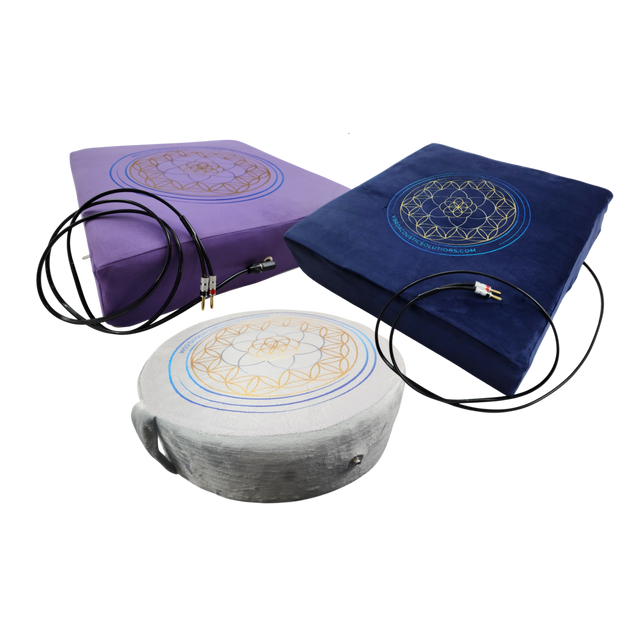
A practitioner might begin by letting a client place one hand on a vibroacoustic cushion before lying on a table. Another may offer a five-minute introductory session at low intensity, followed by time to notice the body’s response. At home, a user may prefer to begin seated rather than fully reclined. These small decisions allow the nervous system to approach sensation gradually.
The goal is not to make every session deeply relaxing. Sometimes the most useful result is simply increased awareness: noticing jaw tension, a fuller exhale, warmth in the legs, or the ability to identify when a setting feels too strong. Regulation includes the ability to notice, choose, and respond.
Frequency, Rhythm, and the Felt Sense of Safety
Frequency selection should serve the person, not a rigid protocol. Lower frequencies around 20 to 40 Hz often feel slow, grounding, and physically substantial. Mid-low frequencies between 40 and 80 Hz may provide a fuller massage-like sensation across the body. Higher tactile settings, often used up to about 120 Hz, can feel more activating or localized depending on the transducer, surface, audio track, and body position.
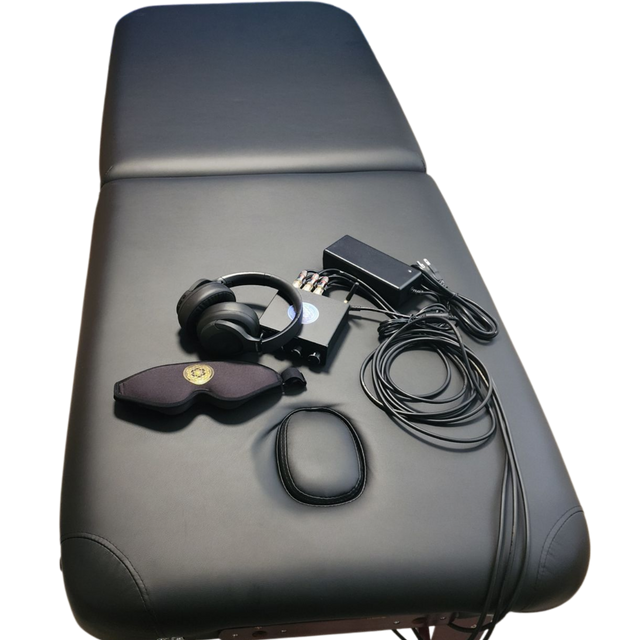
The physical setup changes the experience as much as the number on a screen. A vibroacoustic bed distributes vibration differently than a cushion. A massage table attachment may direct more sensation through the spine and posterior chain, while a reclining chair may feel more contained and secure. The same 50 Hz tone can feel gentle on one surface and intense on another.
Rhythm also carries clinical value. Predictable pulses, slow musical phrasing, and gradual volume changes help reduce surprises. Abrupt transitions, strong bass drops, or overly complex soundscapes can be stimulating for some people. This does not make them inherently unsuitable, but it does mean they should be introduced with care.
Many people also feel drawn to tones with cultural, spiritual, or personal meaning, including 432 Hz music, Solfeggio-based compositions, nature recordings, drumming, or resonant bowls. These sounds can create a powerful sense of ritual, familiarity, and emotional connection. In trauma work, meaning itself can be regulating. A sound that reminds someone of prayer, community, water, childhood, or a trusted place may support the conditions for rest.
Practical Session Design for Home and Clinical Settings
A successful session is usually quieter and more deliberate than people expect. More intensity is not automatically more therapeutic. Begin with enough support around the body that the person does not have to brace to stay comfortable. A blanket, knee bolster, neutral temperature, and easy access to a stop control can make a substantial difference.
For home users, 10 to 20 minutes is often a workable starting range. Choose a time when there is no immediate need to rush into a demanding task. A short session before bed may support a transition into rest, while a midday session can create a reset after a stressful work period. If sleepiness follows, that may be welcome in the evening but inconvenient before driving or work requiring alertness.
For practitioners, vibroacoustic therapy can be integrated before hands-on bodywork, during a guided rest period, or as a standalone sensory regulation session. It may help a client arrive in the room before deeper therapeutic work begins. It can also provide a contained closing period after emotionally demanding sessions, provided the client remains oriented and comfortable.
A simple progression may include a few minutes of verbal orientation, 10 to 15 minutes of low-frequency vibration with calming music, and several minutes afterward for reorientation. Asking “What did you notice?” is often more useful than asking whether the client relaxed. The answer may reveal preferences for future sessions: less bass, slower transitions, more support under the knees, or music without vocals.
When to Slow Down or Seek Added Support
Sound-based care should feel collaborative, never overwhelming. If a session leads to dizziness, panic, numbness, agitation, nausea, or a strong urge to escape, stop the stimulation and return attention to the room. Open the eyes, feel the feet on the floor, name familiar objects, drink water, or use a steady voice with a trusted practitioner.
People with trauma histories may have responses that are delayed rather than immediate. A session that felt pleasant can bring up fatigue, emotion, or vivid dreams later. Keeping sessions brief at first and tracking responses over several days can help identify a sustainable rhythm.
For people receiving mental health care, vibroacoustic therapy can work well as a supportive adjunct within a broader plan. A licensed trauma therapist, physician, or other qualified provider can help determine how sensory practices fit with current treatment, medications, health conditions, and therapeutic goals. This is especially valuable when symptoms include severe dissociation, frequent panic, or difficulty remaining oriented during body-based experiences.
Building a Personal Regulation Practice
The most effective sound practice is one a person can return to without pressure. It may be a 12-minute session on a vibroacoustic cushion after work, a low-frequency rest period before bodywork appointments, or a clinical-grade bed session that becomes part of a weekly recovery routine. Consistency allows the body to learn the sequence: supported position, predictable vibration, time without demands, and a gentle return to the day.
Vibroacoustic Solutions systems are designed to make that kind of tactile, low-frequency support accessible across home and professional environments. A full bed may suit a dedicated wellness room, while cushions and conversion kits can bring the same foundational technology to a favorite chair or existing treatment table.
Healing does not require a person to push harder through their symptoms. Sometimes it begins with a quieter invitation: feel the surface beneath you, notice the rhythm, and let your body practice receiving a few more moments of safety.
Najnowsze posty

Emerging Nervous System Wellness Technology
Read article
Low Frequency Sessions: What Your Body Feels
Read article
Vibroacoustic Therapy Versus Sound Baths: Key Differences
Read article