Rozdarte ścięgno stożka rotatorów, udar, przewlekły ból pleców, wymiana stawu kolanowego, czy przeciążenie sensoryczne po długotrwałym stresie – wszystko to może prowadzić do tego samego pytania: jaki rodzaj rehabilitacji faktycznie pasuje do ciała, które masz przed sobą? Zwrot „rodzaje rehabilitacji fizycznej” brzmi prosto, ale w praktyce obejmuje kilka odrębnych modeli opieki, z których każdy ma inne cele, środowisko, harmonogram i narzędzia terapeutyczne.
Właściwy plan rehabilitacji to nie tylko odbudowa siły. Może on obejmować przywrócenie chodu, zmniejszenie bólu, poprawę koordynacji, ponowne „uczenie” układu nerwowego lub pomoc w ponownym tolerowaniu ruchu po urazie lub traumie. Zarówno dla klinicystów, jak i osób dbających o swoje zdrowie, zrozumienie tych kategorii ma znaczenie, ponieważ najskuteczniejsza rehabilitacja jest specyficzna. Odpowiada ona na zaangażowaną tkankę, etap rekonwalescencji i ogólną zdolność regulacji organizmu.
Co tak naprawdę ma na celu rehabilitacja fizyczna
Rehabilitacja fizyczna to ustrukturyzowany proces, który pomaga ludziom odzyskać funkcje, mobilność, wytrzymałość i jakość życia po chorobie, urazie, operacji lub pogorszeniu kondycji fizycznej. W niektórych przypadkach celem jest pełne przywrócenie sprawności. W innych – adaptacja – pomoc osobie w bezpieczniejszym poruszaniu się, z mniejszym bólem i większą niezależnością.
Ta różnica ma znaczenie. Student sportowiec rehabilitujący zerwane więzadło krzyżowe przednie nie dąży do tego samego wyniku co starsza osoba dochodząca do siebie po upadku, czy osoba po udarze ucząca się na nowo podstawowych czynności. Etykieta może być ta sama, ale logika leczenia jest inna.
Główne rodzaje rehabilitacji fizycznej
Rehabilitacja ortopedyczna
Rehabilitacja ortopedyczna koncentruje się na układzie mięśniowo-szkieletowym – kościach, stawach, więzadłach, ścięgnach i mięśniach. Jest to jedna z najbardziej znanych form rehabilitacji i często następuje po złamaniach, wymianach stawów, urazach więzadeł, schorzeniach kręgosłupa lub problemach związanych z przeciążeniem.
Leczenie zazwyczaj obejmuje pracę nad mobilnością, stopniowe wzmacnianie, zarządzanie bólem, korekcję ruchu i planowanie powrotu do aktywności. Jeśli ktoś miał operację barku, na przykład, rehabilitacja może rozpocząć się od chronionego zakresu ruchu, a następnie stopniowo przechodzić w stabilizację i funkcjonalne obciążanie.
Kompromisem w rehabilitacji ortopedycznej jest czas. Zbyt mało ruchu może prowadzić do sztywności. Zbyt agresywny ruch może podrażnić gojące się tkanki. Dobre programowanie szanuje zarówno biologiczne gojenie, jak i cele funkcjonalne.
Rehabilitacja neurologiczna
Rehabilitacja neurologiczna wspiera osoby z chorobami, które dotykają mózgu, rdzenia kręgowego lub nerwów obwodowych. Obejmuje to udar, urazowe uszkodzenie mózgu, chorobę Parkinsona, stwardnienie rozsiane, uraz rdzenia kręgowego i niektóre neuropatie.
Ten rodzaj rehabilitacji często różni się od konwencjonalnych ćwiczeń. Może koncentrować się na równowadze, kontroli motorycznej, koordynacji, propriocepcji, treningu chodu i powtarzaniu zadań. Silny nacisk kładzie się również na neuroplastyczność – zdolność układu nerwowego do adaptacji poprzez powtarzany, sensowny bodziec.
Dla wielu pacjentów regulacja stanowi część wyzwania. Zmęczenie, zmienione przetwarzanie sensoryczne, spastyczność i strach przed ruchem mogą wpływać na postępy. Jest to jeden z powodów, dla których terapie wspomagające, które pomagają uspokoić system, zmniejszyć odczuwany ból lub poprawić świadomość ciała, mogą uzupełniać główny plan rehabilitacji, gdy są stosowane odpowiednio.
Rehabilitacja kardiologiczna
Rehabilitacja kardiologiczna jest przeznaczona dla osób dochodzących do siebie po zawale serca, operacji serca, angioplastyce, niewydolności serca lub innych incydentach sercowo-naczyniowych. Łączy monitorowane ćwiczenia, edukację, redukcję czynników ryzyka i stopniowy powrót do codziennej aktywności.
W przeciwieństwie do ogólnego treningu fitness, rehabilitacja kardiologiczna jest nadzorowana medycznie i starannie dawkowana. Celem nie jest forsowanie się. Chodzi o bezpieczną odbudowę tolerancji sercowo-naczyniowej, jednocześnie zajmując się ciśnieniem krwi, wytrzymałością i pewnością siebie.
Ten obszar podkreśla szerszą prawdę na temat rodzajów rehabilitacji fizycznej: intensywność nie jest tym samym, co skuteczność. W populacjach kardiologicznych precyzja i monitorowanie mają znacznie większe znaczenie niż szybkość.
Rehabilitacja pulmonologiczna
Rehabilitacja pulmonologiczna pomaga osobom z przewlekłymi schorzeniami układu oddechowego, takimi jak POChP, astma, śródmiąższowa choroba płuc lub zmniejszona funkcja płuc po ciężkiej chorobie. Często obejmuje reedukację oddechową, pracę nad wytrzymałością, lekkie ćwiczenia siłowe, strategie oszczędzania energii i edukację dotyczącą zarządzania objawami.
Postępy mogą być subtelne, ale znaczące. Pacjent może nie trenować do sportu. Może próbować przejść przez dom bez silnej duszności lub wrócić do podstawowych czynności społecznych. Niewielkie zyski w wydajności mogą przynieść znaczne poprawy w życiu codziennym.
Ponieważ oddychanie jest ściśle związane ze stanem autonomicznym, rehabilitacja płucna często pokrywa się z regulacją układu nerwowego. Kiedy ludzie odczuwają głód powietrza, cały ich system może przejść w tryb zagrożenia. Wykwalifikowana rehabilitacja zajmuje się zarówno mechaniką oddychania, jak i towarzyszącą jej reakcją emocjonalną.
Rehabilitacja pediatryczna
Rehabilitacja pediatryczna służy dzieciom z opóźnieniami rozwojowymi, wrodzonymi schorzeniami, urazami, zaburzeniami neuromięśniowymi lub potrzebami rekonwalescencji po operacji lub chorobie. Cele zależą w dużej mierze od wieku, diagnozy i środowiska.
Ta praca może koncentrować się na kamieniach milowych rozwoju motorycznego, kontroli postawy, sile, koordynacji, integracji sensorycznej i mobilności. Ma również tendencję do bycia bardziej skoncentrowaną na rodzinie niż rehabilitacja dorosłych, ponieważ kontynuacja w domu i szkole jest kluczowa.
W środowisku pediatrycznym zaangażowanie nie jest kwestią drugorzędną. Jest częścią leczenia. Dzieci najlepiej reagują, gdy terapia wydaje się bezpieczna, odpowiednio stymulująca i dopasowana do etapu rozwoju. Dla dzieci z wyzwaniami w przetwarzaniu sensorycznym, regulacja może zadecydować, czy bodziec terapeutyczny jest skuteczny czy przytłaczający.
Rehabilitacja geriatryczna
Rehabilitacja geriatryczna jest dostosowana do osób starszych borykających się z problemami z równowagą, osłabieniem, artretyzmem, osteoporozą, upadkami, rekonwalescencją pooperacyjną lub spadkiem mobilności związanym z wiekiem. Priorytety kliniczne często obejmują siłę, chód, zdolność do przemieszczania się, wytrzymałość i zapobieganie upadkom.
Ten rodzaj rehabilitacji musi uwzględniać złożoność. Wiele starszych osób boryka się z więcej niż jednym schorzeniem, przyjmuje wiele leków i dochodzi do siebie wolniej niż młodsi pacjenci. Plan, który wygląda dobrze na papierze, może zawieść, jeśli zignoruje zmęczenie, wrażliwość na ból lub strach przed upadkiem.
Dobrze przeprowadzona rehabilitacja geriatryczna chroni niezależność. Może to oznaczać powrót do spacerów w społeczności, bezpieczne wchodzenie po schodach lub po prostu pewne wstawanie z krzesła.
Rehabilitacja sportowa
Rehabilitacja sportowa jest przeznaczona dla aktywnych osób powracających do treningów, zawodów lub wymagających ruchów. Często pokrywa się z rehabilitacją ortopedyczną, ale próg sukcesu jest inny. Chodzenie bez bólu to za mało, jeśli osoba musi ciąć, sprintować, skakać, obracać się lub absorbować uderzenia z dużą prędkością.
Ta kategoria kładzie nacisk na biomechanikę, moc, stabilność, obciążenie tkanek i postęp specyficzny dla danego sportu. Zajmuje się również psychologiczną stroną powrotu do gry. Sportowiec może być fizycznie sprawny, a mimo to wahać się podczas dynamicznych ruchów.
Wyzwaniem jest to, że motywacja może działać na niekorzyść zdrowego rozsądku. Sportowcy często chcą przyspieszyć powrót do zdrowia. Skuteczna rehabilitacja sportowa wykorzystuje obiektywne testy i stopniową progresję, dzięki czemu pewność siebie opiera się na zdolnościach, a nie na nadziei.
Rehabilitacja przedsionkowa
Rehabilitacja przedsionkowa pomaga osobom z zawrotami głowy, wirującym zawrotem głowy, zaburzeniami równowagi, wrażliwością na ruch i niezgodnością wzrokowo-przedsionkową. Przyczyny mogą obejmować wstrząśnienie mózgu, dysfunkcję ucha wewnętrznego, schorzenia neurologiczne lub przewlekłe zaburzenia równowagi.
Leczenie może obejmować stabilizację spojrzenia, ćwiczenia habituacyjne, trening równowagi i strategie pozycyjne. Objawy często zakłócają życie i mogą wydawać się nieproporcjonalne do tego, co inni mogą zaobserwować, co sprawia, że ta forma rehabilitacji jest szczególnie wartościowa, gdy jest wykonywana przez wykwalifikowanego specjalistę.
Pacjenci z zaburzeniami przedsionkowymi często zgłaszają wtórne napięcie, lęk i unikanie ruchu. Ich układ równowagi jest zaangażowany, ale także ich poczucie bezpieczeństwa. Rehabilitacja działa najlepiej, gdy prowokacja objawów jest dawkowana ostrożnie, a nie prowadzona bezkrytycznie.
Gdzie pasują terapie wspomagające
Rehabilitacja nie odbywa się w próżni. Ból, słaby sen, wysoki stres, dysregulacja autonomicznego układu nerwowego i defensywność sensoryczna mogą spowalniać postęp, nawet jeśli plan ćwiczeń jest prawidłowy. Właśnie tutaj mogą mieć wartość terapie uzupełniające.
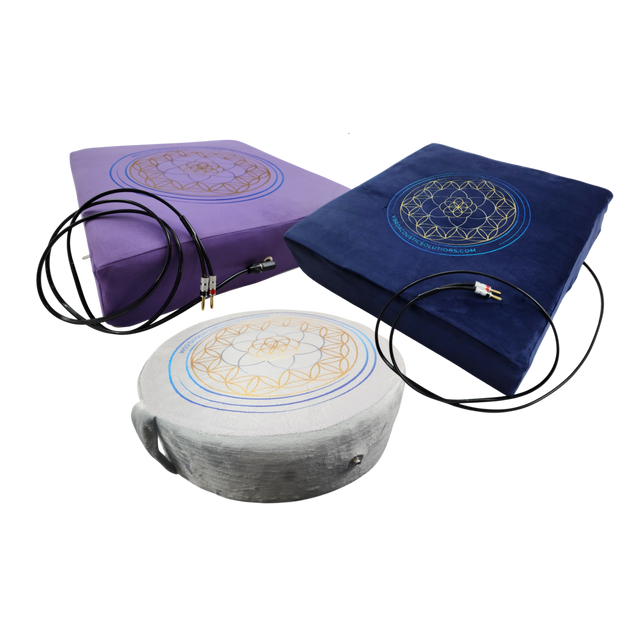
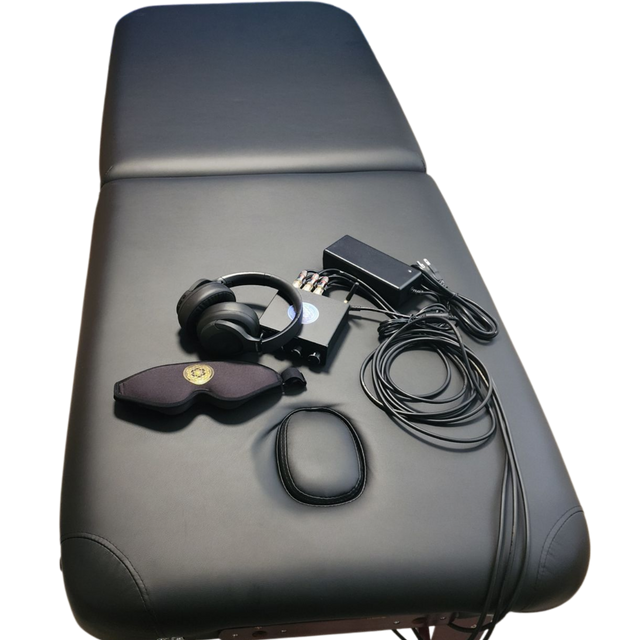
Terapia wibroakustyczna, na przykład, nie zastępuje rehabilitacji fizycznej. Jest lepiej rozumiana jako wspierająca technologia somatyczna, która może pomóc w regulacji układu nerwowego, zmniejszeniu napięcia mięśniowego, poprawie relaksacji i stworzeniu bardziej podatnego stanu na pracę manualną lub ćwiczenia terapeutyczne. W warunkach domowej rekonwalescencji i zintegrowanych klinikach może to mieć znaczenie.
Kluczem jest właściwe umiejscowienie. Jeśli metoda pomaga komuś na tyle, by tolerować ruch, efektywniej oddychać lub lepiej regenerować się między sesjami, może to wzmocnić cały proces rehabilitacji. Jeśli jest używana do całkowitego unikania aktywnego leczenia, może stać się objazdem. Opieka oparta na dowodach oznacza znajomość tej różnicy.
Jak wybrać właściwą ścieżkę rehabilitacji
Najlepszym punktem wyjścia nie jest nazwa kategorii rehabilitacji. Jest nim pytanie kliniczne. Jakiej funkcji ubyło? Jaki system jest przede wszystkim dotknięty? Jaki etap gojenia jest obecny? I co obecnie ogranicza postęp – osłabienie, ból, koordynacja, wytrzymałość, przeciążenie sensoryczne czy strach?
Osoba dochodząca do siebie po operacji może zacząć od rehabilitacji ortopedycznej, a następnie potrzebować pracy nad równowagą, która bardziej przypomina styl geriatryczny. Ktoś z wstrząśnieniem mózgu może potrzebować terapii przedsionkowej plus stopniowanego kondycjonowania fizycznego. Dziecko z opóźnieniami motorycznymi może potrzebować zarówno rehabilitacji fizycznej, jak i wsparcia sensorycznego. Prawdziwa rekonwalescencja często jest mieszana.
Dlatego najskuteczniejsi specjaliści myślą systemowo, a nie w silosach. Rozumieją gojenie tkanek, biomechanikę i uczenie motoryczne, ale także zwracają uwagę na oznaki przeciążenia układu nerwowego, słabej regeneracji i niskiej tolerancji leczenia. Precyzyjna opieka nie jest węższa. Jest bardziej responsywna.
Jeśli oceniasz opcje dla siebie, swojej rodziny lub swojej praktyki, szukaj rehabilitacji, która pasuje do osoby, a nie tylko do diagnozy. Ciało najlepiej leczy się, gdy plan jest specyficzny, progresywny i wystarczająco wspierający, aby pomóc utrwalić zmiany.
Najnowsze posty

Chronic Pain Relief Room Example for Home Use
Read article
Vibroacoustic Systems for Therapeutic Regulation
Read article
Tactile Audio Versus Headphones for Regulation
Read article