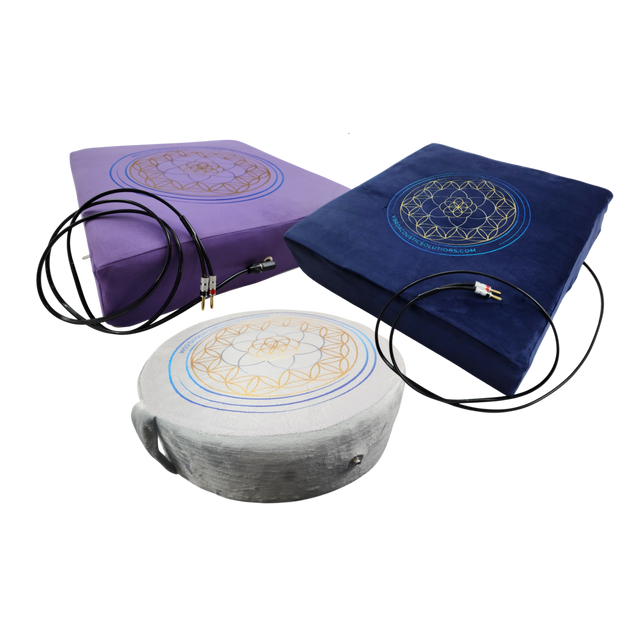
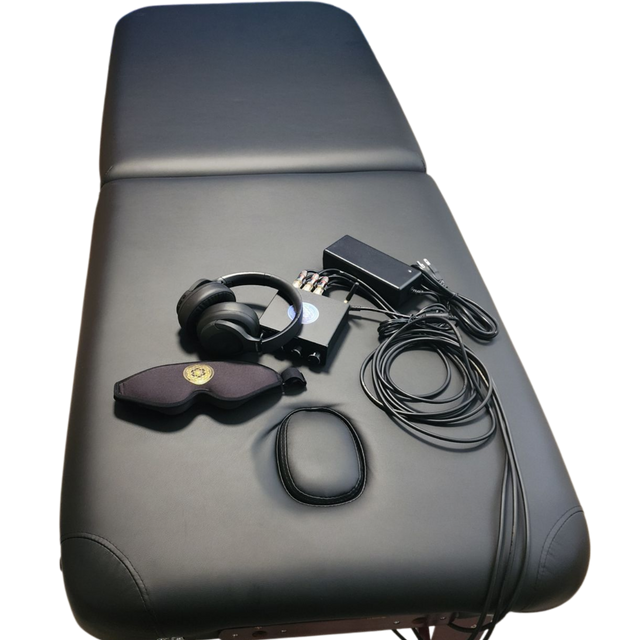
Choosing between a vibroacoustic bed vs mat usually comes down to one practical question: do you need a fully immersive therapeutic platform, or a flexible system that can work with the furniture and treatment setup you already have? Both can deliver low-frequency sound vibration to the body. The difference is how that vibration is delivered, how consistently it reaches the nervous system, and what kind of therapeutic experience you want to create.
For home users, this decision often sits at the intersection of budget, space, and symptom relief. For practitioners, it is more about workflow, client comfort, treatment goals, and return on investment. A bed and a mat are not interchangeable in every context, even if they use the same core science of vibroacoustic therapy.
Vibroacoustic bed vs mat: the real difference
At the most basic level, a vibroacoustic bed is a dedicated therapeutic structure built to deliver sound vibration across a larger surface area with more support, stability, and immersion. A vibroacoustic mat is a more adaptable format that can be placed on an existing surface such as a massage table, treatment table, couch, or bed.
That sounds simple, but the clinical feel is different.
A bed is designed as a complete system. The transducers, support layers, frame, and surface are usually arranged to optimize how low frequencies move through the body. This matters because vibroacoustic therapy is not just about hearing sound. It is about mechanical vibration entering tissue, influencing muscle tone, supporting circulation, and helping the autonomic nervous system shift toward regulation.
A mat can still be highly effective, especially when well designed, but it depends more on the surface beneath it. Put the same mat on a dense massage table, a soft mattress, or a sagging couch, and the body may receive the vibration differently. That does not make mats inferior. It means they are more variable.
How the therapeutic experience changes
When people compare a vibroacoustic bed vs mat, they often focus first on portability or price. Those matter, but the more meaningful difference is often therapeutic immersion.
A vibroacoustic bed tends to create a stronger sense of full-body containment. The client lies down, feels evenly supported, and receives vibration in a way that can feel more integrated from head to toe. For people with chronic tension, trauma-related guarding, sensory overload, or sleep disruption, that consistency can be a major advantage. The body does not have to work as hard to settle.
A mat can still produce powerful results, particularly for shorter sessions, targeted protocols, or mobile practice settings. Many users appreciate that a mat lowers the barrier to entry. It allows them to begin using vibroacoustic therapy without replacing their current furniture or reconfiguring an entire treatment room.
In other words, a bed often offers more immersion. A mat often offers more flexibility.
Beds usually feel more integrated
In a dedicated bed system, the structure is part of the treatment. Surface tension, material density, and transducer placement can all be optimized to create a more even vibrational field. That can support deeper relaxation and a more predictable response from one session to the next.
This consistency is especially useful in professional settings where repeatability matters. If you are a massage therapist, somatic practitioner, or integrative provider, you want to know that the experience you offer on Monday will feel similar on Friday.
Mats usually offer more setup freedom
A mat works well when adaptability is the priority. You can place it on a massage table for one client, move it to a home bed later, or use it in spaces where a dedicated vibroacoustic unit would be impractical.
That makes mats attractive for practitioners with smaller offices, mobile services, or existing equipment they want to upgrade rather than replace. They also make sense for home users who want science-based nervous system support without committing to a large standalone piece of equipment.
Cost, footprint, and long-term value
Budget matters, especially in a category where people are trying to access clinical-grade therapy without entering the price range of institutional medical equipment.
A vibroacoustic bed is typically the larger investment. You are paying for the complete platform, not just the transducers or audio delivery system. In return, you often get a more refined therapeutic environment, stronger client perception of value, and a system designed specifically for this modality.
A mat is usually the more accessible entry point. For many buyers, that is the deciding factor. If you are unsure how often you will use vibroacoustic therapy, or if you want to test client interest before making a larger purchase, a mat can be the smarter first step.
Still, lower upfront cost does not always mean better long-term value. If a clinic ends up using vibroacoustic therapy daily, a bed may justify itself through better durability, easier session flow, and a more premium client experience. If a home user only needs occasional sessions for recovery, stress relief, or sleep support, a mat may deliver exactly the value they need.
Which is better for home use?
For home users, the right choice depends on how central vibroacoustic therapy will be to daily life.
If you are managing chronic stress, poor sleep, sensory dysregulation, post-workout tension, or a long-standing need for somatic downregulation, a dedicated bed may be worth considering. It creates a consistent therapeutic space, which can help turn sessions into a real routine rather than an occasional experiment.
If you live in a smaller home, share space with family, or want a system you can store, move, or integrate into your current setup, a mat is often more realistic. It gives you access to the core mechanism of low-frequency therapeutic vibration without demanding a full room redesign.
For many home users, the best answer is the option that gets used consistently. A high-end system that feels inconvenient may support less healing than a simpler one that becomes part of your weekly rhythm.
Which is better for practitioners?
Clinicians and wellness professionals should think beyond the equipment itself and consider treatment delivery.
A bed often makes sense for practices where vibroacoustic therapy is a signature offering. It can elevate the client experience, support longer regulation-focused sessions, and communicate that this is a serious therapeutic intervention rather than an add-on. In trauma-informed work, sound therapy, nervous system regulation, and recovery-focused care, that dedicated environment can be clinically meaningful.
A mat is often the better choice when vibroacoustic therapy needs to integrate into an existing workflow. If you already use massage tables, bodywork tables, or multi-purpose treatment rooms, a mat can add vibroacoustic capability without disrupting the rest of your services. That flexibility is one reason systems from companies like Vibroacoustic Solutions appeal to both practitioners and home users looking for modular, evidence-informed options.
Consider your client population
If your clients include people with chronic pain, high muscular guarding, burnout, PTSD-related tension, or sensory processing challenges, immersion and predictability may matter more. A bed can support a deeper sense of safety and containment.
If your clients receive shorter appointments, mixed modalities, or rotating treatments, a mat may fit the pace of your practice better. It allows vibroacoustic therapy to be layered into sessions without requiring a separate room or dedicated furniture footprint.
The science does not change, but delivery does
Both beds and mats are built around the same therapeutic principle: low-frequency sound is converted into vibration that the body can feel. This mechanical stimulation can support parasympathetic activity, muscle relaxation, circulation, and somatic awareness. In some protocols, vibroacoustic therapy may also complement vagus nerve support, meditative states, recovery work, and sensory regulation.
What changes between a bed and a mat is not whether the modality works. What changes is how efficiently, evenly, and comfortably the body receives the stimulus.
That distinction matters because somatic therapies are not only about intensity. They are about dosage, timing, context, and how safe the nervous system feels during the experience. A more immersive setup is not automatically better for every person. Some individuals respond well to a lighter-touch, lower-commitment format. Others need the fuller support of a dedicated therapeutic surface to settle deeply enough for the session to be effective.
How to choose without overthinking it
If you are comparing a vibroacoustic bed vs mat, start with the role you want vibroacoustic therapy to play. If it is going to be central to your healing routine or your clinical offering, a bed often makes more sense. If you need affordability, mobility, or the ability to adapt existing equipment, a mat is usually the more practical choice.
There is no universal winner here. There is only fit.
The best system is the one that matches your space, your treatment goals, and the level of immersion your body or your clients actually need. When vibroacoustic therapy is chosen that way, it stops feeling like a piece of wellness equipment and starts functioning like what it is meant to be: a reliable tool for regulation, recovery, and therapeutic support.
If you are deciding between the two, think less about what sounds more advanced and more about what will be used with consistency, care, and clinical intention. That is where the real therapeutic value shows up.
Latest posts