A 40 Hz pulse is not simply a tone you hear. When delivered through sound, light, or a vibroacoustic surface, it is a precisely timed sensory rhythm that the brain and body can register. That is why 40 Hz research has drawn attention from neuroscientists, clinicians, and somatic practitioners: it explores whether a rhythmic external signal can influence gamma-band activity, sensory processing, and nervous system regulation.
For people considering vibroacoustic therapy, the practical question is not whether 40 Hz is a miracle frequency. It is how a well-designed 40 Hz session may fit into a broader plan for rest, recovery, focus, and therapeutic care. The answer depends on the delivery method, the person receiving it, and the outcome being measured.
Why 40 Hz Has Become a Research Focus
Hertz, abbreviated Hz, describes cycles per second. A 40 Hz rhythm repeats 40 times each second. In neuroscience, 40 Hz sits within the gamma frequency range, commonly defined as roughly 30 to 100 Hz. Gamma activity is associated with active information processing, including attention, perception, memory integration, and communication between brain networks.
The central idea behind gamma sensory stimulation is rhythmic timing. A 40 Hz auditory pulse, flickering light, or tactile vibration supplies a repeating pattern that may encourage neural activity to synchronize with that rhythm. Researchers often call this entrainment or neural synchronization. It does not mean every brain cell begins firing identically. Rather, measurable activity in relevant networks may show greater organization around the presented frequency.
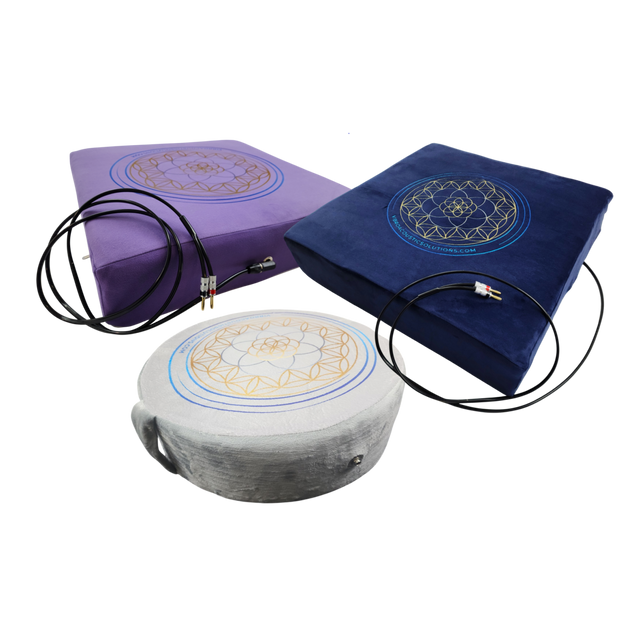
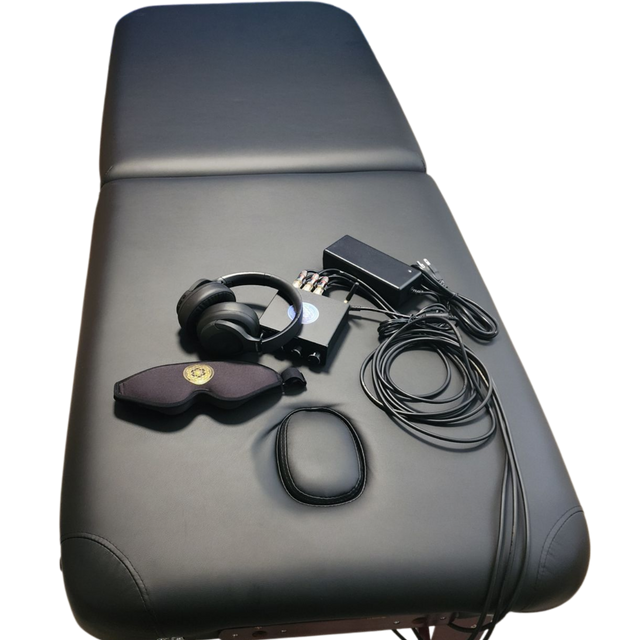
This is also why the physical delivery method matters. Auditory 40 Hz stimulation reaches the ears as sound pressure waves. Visual stimulation uses light pulses. Vibroacoustic therapy adds a mechanical pathway: low-frequency audio is converted by transducers into palpable vibration through a bed, chair, cushion, or treatment table. The body perceives that vibration through skin, muscle, fascia, and skeletal structures, while the ears may also hear the accompanying sound.
That dual sensory experience is especially relevant in therapeutic settings. A person does not need to intellectually follow a 40 Hz rhythm for their nervous system to receive it. The steady, predictable pulse can create a clear sensory anchor, which may be useful for clients who respond well to structured input.
What 40 Hz Research Has Found So Far
Much of the public conversation around 40 Hz began with preclinical work on gamma entrainment. In a widely discussed 2016 study, researchers at MIT used 40 Hz light stimulation in mouse models and observed reduced amyloid-beta levels in the visual cortex along with changes in microglial activity. Microglia are immune cells in the central nervous system that help respond to and clear cellular debris.
A 2019 follow-up study examined combined 40 Hz auditory and visual stimulation in mouse models. The researchers reported effects in multiple brain regions, including reductions in amyloid pathology and changes related to neuronal and immune activity. These studies helped establish an important principle: sensory rhythms can affect more than subjective experience. Under controlled conditions, they can engage measurable biological processes.
Human research has appropriately focused first on safety, feasibility, and whether gamma activity can be engaged outside a laboratory. Small studies of 40 Hz sensory stimulation in adults, including people with mild cognitive impairment or Alzheimer’s disease, have reported that regular stimulation can be well tolerated by many participants and can produce measurable gamma-band responses. Some early trials have also explored outcomes such as sleep, daily function, connectivity between brain regions, and cognitive measures.
These findings are promising, but they should be read with precision. Animal studies, short-term human studies, and home-use protocols answer different questions. A finding that a particular stimulus entrains gamma activity is not the same as proving a particular long-term clinical outcome. Larger controlled trials are the work that clarifies who benefits most, what dose is appropriate, and which combinations of sound, light, and tactile stimulation matter most.
Gamma Entrainment and Vibroacoustic Therapy Are Related, Not Identical
It is tempting to treat all 40 Hz experiences as interchangeable. They are not. A 40 Hz flashing-light protocol designed for neurological research is different from a 40 Hz track played through headphones. Both differ again from 40 Hz delivered through a clinical-grade vibroacoustic bed or massage-table attachment.
In vibroacoustic therapy, the transducer is the key piece of equipment. It turns an electrical audio signal into physical movement. At 40 Hz, that movement often feels like a fast, steady hum or pulse rather than a slow, individual beat. The sensation can be grounding because it is distributed through the body instead of arriving only through the ears.
The therapeutic value may therefore involve several layers at once: rhythmic auditory input, tactile vibration, the support of a reclined body position, reduced environmental demand, and the client’s felt sense of safety. This is the science of somatic regulation in practical form. The nervous system responds not only to a frequency, but also to context, comfort, predictability, volume, intensity, and duration.
For a massage therapist or integrative practitioner, that distinction supports better session design. A client seeking deep rest may prefer a gentle 40 Hz tactile layer under calming music, while a client who is sensory-sensitive may do better with lower intensity, shorter exposure, or a different frequency range entirely. More stimulation is not automatically better.
What a Thoughtful 40 Hz Session Can Look Like
A reasonable starting point is a short, comfortable exposure rather than an ambitious protocol. In a home setting, a 10- to 20-minute session can give a person enough time to notice how their body responds. In a professional setting, 40 Hz may be used as one component within a longer treatment, alongside manual therapy, breathwork, guided relaxation, or a quiet recovery period.
Intensity deserves more attention than it often receives. The goal is distinct but comfortable vibration, not a harsh mechanical sensation. If a person feels agitated, numb, headachy, overly stimulated, or simply uncomfortable, lowering the volume or ending the session is appropriate. People vary widely in sensory thresholds, particularly those living with migraines, trauma-related hypervigilance, autism, ADHD, chronic pain, or fatigue.
Consistency may also matter more than a single extended session. The research interest in sensory stimulation often involves repeated exposure over weeks or months. For wellness use, a sustainable routine is usually more useful than chasing a dramatic first experience. A brief evening session might support a transition out of work mode, while a daytime session could become part of a focused recovery ritual after exercise or a demanding clinical day.
Questions Practitioners Should Ask
Before adding 40 Hz to a treatment plan, consider the client’s primary goal. Are they looking for downregulation, body awareness, sensory organization, recovery support, or an enhanced relaxation experience? Then consider how they typically respond to sound and touch. Someone who loves deep pressure may welcome more tactile output, while another person may need a light setting and an easy way to pause.
It is also wise to coordinate with a client’s healthcare team when there is a history of seizures, significant neurological sensitivity, implanted medical devices, acute injury, pregnancy-related concerns, or other complex health factors. A vibroacoustic session can be supportive and non-invasive, but it should be selected thoughtfully within the person’s full care picture.
The Most Useful Way to Read 40 Hz Claims
The strongest 40 Hz research is exciting because it asks serious questions about brain rhythms, sensory input, and biology. It does not require inflated promises to be meaningful. Gamma stimulation may become an increasingly important area of neuroscience, while vibroacoustic applications offer a body-centered way to work with rhythm, comfort, and regulation right now.
For Vibroacoustic Solutions users, the practical opportunity is to treat 40 Hz as a precise therapeutic tool rather than a one-size-fits-all setting. Pay attention to the quality of the vibration, the environment around the session, and the person’s response over time. When the body feels safely supported, a simple repeating pulse can become a powerful invitation to pause, settle, and reconnect.
Latest posts


A Sleep Routine Vibroacoustic Example That Works
Read article