A client may arrive with the words to describe their stress while their body remains braced, restless, numb, or exhausted. The best wellness tools for therapists help bridge that gap between insight and physiology. They give practitioners practical ways to support sensory safety, muscular release, interoception, and nervous system regulation within the boundaries of their training.
The most useful tools do more than make a treatment room feel relaxing. They create a clear physical input: pressure, warmth, vibration, sound, movement, or paced breathing. The nervous system receives that input through the skin, muscles, joints, inner ear, and breath, then continuously evaluates whether the environment feels predictable and safe. For massage therapists, mental health clinicians, somatic practitioners, and integrative providers, choosing tools with a thoughtful mechanism can make sessions more grounded and more responsive to each client.
What Makes a Wellness Tool Worth Using?
A tool earns its place in a professional setting when it supports the work you already do rather than competing with it. Consider the quality of the sensory input, the client’s ability to control intensity, cleaning and durability requirements, and how easily the tool fits into your session flow.
Choice matters. A weighted blanket may feel deeply settling to one person and confining to another. Low-frequency vibration can feel wonderfully organizing for a client who craves sensory input, while a sound-sensitive client may need a lower volume, a shorter exposure, or no audio at all. The best protocol is rarely a fixed protocol. It is an informed starting point, followed by observation and consent.
1. Vibroacoustic Therapy Systems
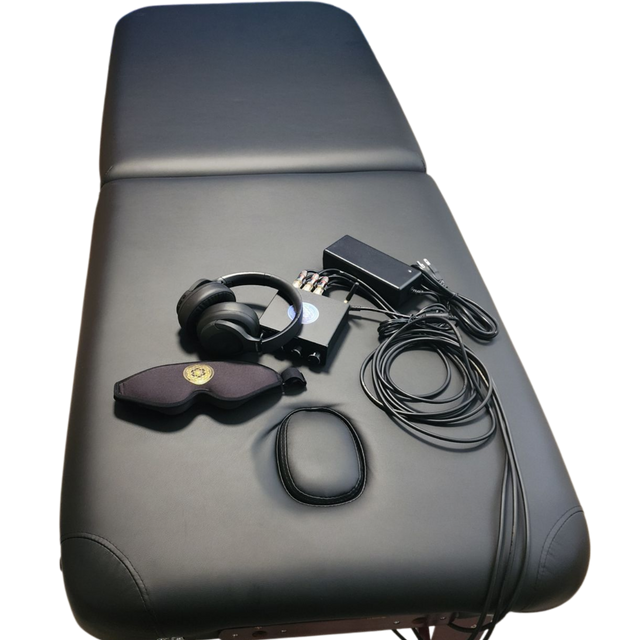
Vibroacoustic therapy begins with transducers that convert an audio signal into physical vibration. When the client rests on a vibroacoustic bed, cushion, or adapted massage table, low-frequency sound travels through the body as gentle mechanical stimulation. Frequencies between roughly 20 and 120 Hz are commonly used because they are felt clearly through tissue and bone, not simply heard through the ears.
This tactile sound can create a form of localized, rhythmic micro-massage. Slow, steady frequencies may help clients settle into the table and notice changes in breath, muscle tone, and internal sensation. In a therapeutic setting, the experience is especially valuable because the client does not have to perform or explain anything to receive the input.
A 2012 review of vibroacoustic therapy literature identified promising applications for relaxation, pain support, and motor function, while also emphasizing the variety of protocols used across settings. That variation is useful clinically: a 30 Hz session may feel quite different from a 60 Hz session, and each client brings a different sensory threshold.
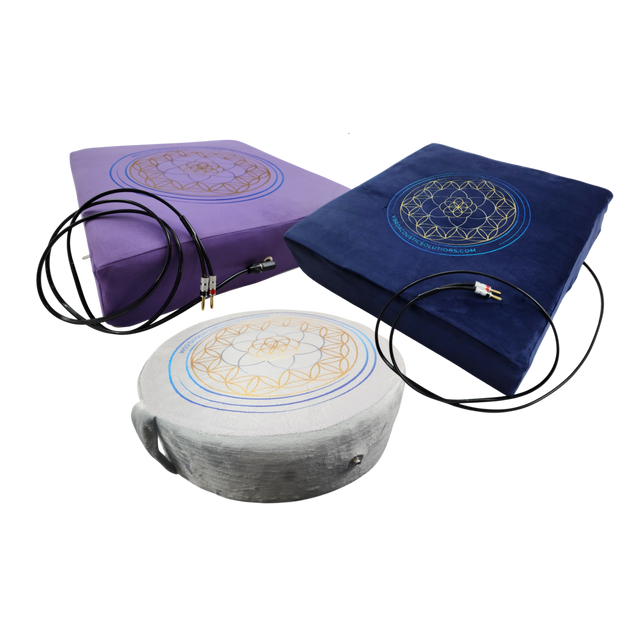
For practitioners, clinical-grade vibroacoustic equipment can be integrated before hands-on work, during breathwork or guided imagery, or as a quiet closing phase. A full bed offers an immersive experience; a massage table attachment kit or cushion can be a more practical entry point for an existing practice. Vibroacoustic Solutions is designed around these flexible formats, helping practitioners introduce body-based sound without replacing the equipment they already rely on.
2. Weighted Blankets and Lap Pads
Weight creates deep-pressure input through the skin and proprioceptive system, which helps the brain map where the body is in space. For some clients, this steady pressure can reduce the feeling of being scattered or uncontained and make it easier to rest on a treatment table.
Weighted lap pads are often the most versatile clinical option because they can be placed over the thighs, shoulders, or abdomen with the client’s permission and removed quickly. Full blankets work well during longer restorative sessions, but they require more attention to temperature, mobility, and client preference.
Use a washable cover and offer weight as an option rather than an assumption. A client with sensory sensitivity may prefer a folded blanket with no added weight, while another may find a moderate lap pad immediately reassuring.
3. Heat Therapy Tools
Gentle heat changes the sensory environment before it changes anything else. Warmth is detected by thermoreceptors in the skin and can make guarded tissue feel more approachable, especially around the neck, back, hips, and hands. It also creates an unmistakable cue that the client is entering a slower, cared-for space.
Professional heating pads, heated wraps, and warmed towels are simple additions with high practical value. They can support relaxation before massage, accompany stillness during a counseling or coaching session, or provide comfort during a sound-based session. Temperature control is essential: the goal is pleasant warmth, never intensity. Check comfort regularly and follow device safety guidance, particularly when a client has reduced sensation or difficulty communicating discomfort.
4. Breath Pacing and HRV Biofeedback Devices
Breathing is both automatic and voluntary, which makes it a useful doorway into regulation. When a client slows and slightly lengthens their exhale, respiratory patterns can influence heart rate variability through the baroreflex and vagal pathways. Biofeedback devices translate this otherwise invisible process into a visual signal, allowing clients to see how pacing, posture, and attention affect their physiology.
Many people respond well to a pace near five to six breaths per minute, though comfort should guide the practice. Forcing a slow breath can create tension or lightheadedness. A therapist can use a visual breathing light, app-based pacing tool, or HRV monitor to teach experimentation rather than compliance: What pace feels sustainable? What changes after two minutes? Does vibration, warmth, or a supported posture make the breath easier?
These tools are particularly helpful for clients who appreciate concrete feedback and want a practice they can carry into daily life.
5. Tuning Forks and Therapeutic Sound Tools
A tuning fork produces a stable frequency when struck, creating both audible tone and fine vibration. Applied carefully to the body within a practitioner’s scope, the vibrating stem provides a focused tactile input. Held near the ears or in the surrounding space, it can also mark transitions in a session and invite attention toward sound, silence, and breath.
Different forks are used for different therapeutic intentions. Low-frequency weighted forks tend to produce more palpable vibration, while higher-frequency forks offer a brighter audible tone. Traditions involving Solfeggio frequencies, 432 Hz tuning, and other intentional sound practices carry deep personal and cultural meaning for many clients. In a professional setting, the most respectful approach is to make room for that meaning while staying attentive to comfort, consent, and the client’s stated goals.
Tuning forks are compact and affordable, but they are not a substitute for the whole-body immersion of vibroacoustic therapy. They work best as a precise, intentional complement.
6. Bolsters, Wedges, and Positioning Supports
Position changes sensory input immediately. A bolster under the knees can reduce strain through the low back; support under the ankles can ease the pull of prone positioning; a wedge can make breathing feel less restricted. These are basic tools, yet they often determine whether a client can actually settle long enough to benefit from the rest of the session.
Choose firm, cleanable supports in several shapes. Then ask specific questions rather than general ones: Is there pressure at your hips? Does your neck feel supported? Would your chest feel more open with a slight incline? Small adjustments communicate attunement and can prevent a client from silently enduring discomfort.
7. Simple Sensory Regulation Tools
Some clients need a gentle focus point before they can tolerate stillness. Textured therapy balls, soft eye pillows, noise-reducing headphones, and dimmable lighting give them options without overloading the room. Their mechanism is straightforward: they help organize attention by offering one manageable sensation at a time.
These tools are especially useful for clients with ADHD-related restlessness, autism-related sensory needs, trauma-related hypervigilance, or simply a long day of overstimulation. The trade-off is that more options are not always better. Keep the environment uncluttered and introduce one variable at a time, so you can learn what truly helps.
Building a More Therapeutic Tool Kit
Start with the service you provide most often. A massage practice may benefit first from table positioning, heat, and a vibroacoustic attachment. A somatic therapy office may prioritize a lap pad, breath pacing cue, and sensory-friendly lighting. A multidisciplinary wellness clinic may have room for a dedicated vibroacoustic bed that becomes part of recovery sessions, sound therapy, and relaxation-focused care.
The goal is not to fill a room with gadgets. It is to create conditions where the body receives clear, tolerable signals of support. When a tool is selected with care, introduced with consent, and adjusted to the individual in front of you, it can help a session feel less like an appointment and more like a place where regulation becomes possible.
Latest posts