A tight upper back after a demanding week may call for skilled hands. A body that feels wired, fatigued, and unable to settle may respond differently. The question of vibration therapy versus massage is not about choosing a winner. It is about understanding which form of sensory input best matches the body’s current needs, treatment goals, and capacity for rest.
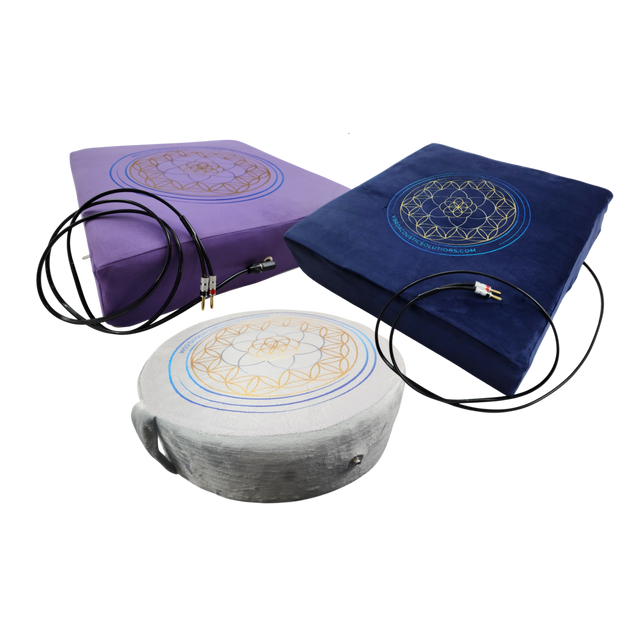
Massage works through direct mechanical pressure, gliding, stretching, and kneading of soft tissue. Vibroacoustic therapy works through low-frequency sound vibration, typically delivered through a bed, cushion, or table attachment, so the body can feel sound as well as hear it. Both can support relaxation and recovery, but they enter the nervous system through distinct physical pathways.
How Massage Works in the Body
Massage applies external force to skin, fascia, muscle, and other soft tissues. Depending on the technique, a practitioner may use broad effleurage strokes to warm tissue, slower compression to address perceived tightness, or more targeted work around a specific area of discomfort. The pressure creates mechanical deformation in the tissue and stimulates sensory receptors in the skin and muscles.
That sensory input matters. Touch can influence proprioception, the body’s awareness of position and movement, while slower, predictable contact may encourage a shift toward parasympathetic activity. Massage also increases local circulation temporarily and can reduce the feeling of stiffness after exercise, sustained posture, or physical exertion.
For many people, the greatest advantage of massage is specificity. A trained therapist can notice guarding around the shoulders, uneven hip mobility, or tenderness in the forearms and adjust pressure in real time. This human assessment is difficult to replicate with a device.
Massage also has practical limits. It requires a practitioner or self-massage skill, may be uncomfortable for people with touch sensitivity, and can be difficult to schedule consistently. Deep pressure is not always the right choice when a person is already highly sensitized, depleted, or experiencing a stress response that makes additional intensity feel overwhelming.
How Vibroacoustic Therapy Works
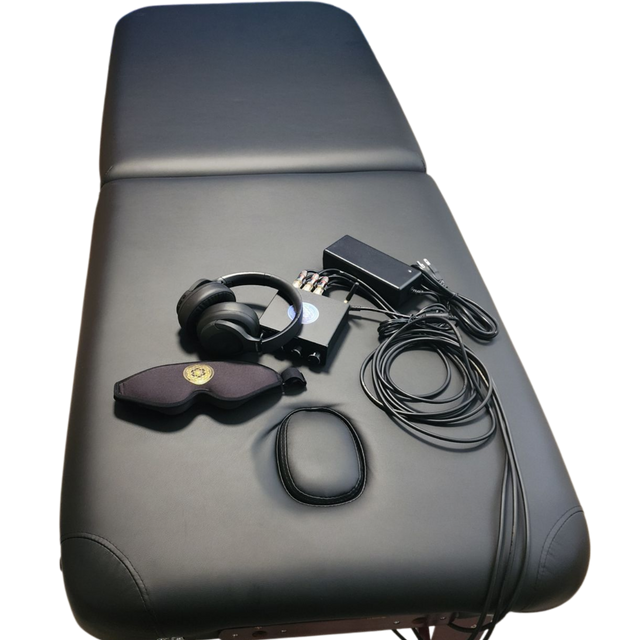
Vibroacoustic therapy uses transducers to convert audio signals into physical vibration. Low frequencies are delivered through a surface that supports the body, allowing vibration to travel through areas such as the back, hips, legs, and shoulders. Rather than receiving pressure from outside the body, the user experiences a broad field of rhythmic mechanical stimulation.
Most vibroacoustic systems operate in low-frequency ranges, often between 20 and 120 Hz. Frequencies below roughly 80 Hz are especially noticeable as tactile vibration. At 30 to 60 Hz, many users describe a grounded, settling sensation. Frequencies around 40 Hz have also drawn research interest for their relationship to sensory stimulation and neural rhythmic activity, while programs in the 60 to 120 Hz range may feel more activating or muscularly engaging depending on the intensity and placement.
The effect is not simply "sound you can feel." Low-frequency vibration stimulates mechanoreceptors in the skin, muscles, and connective tissue. Rhythmic sensory input can also provide an organizing signal for the nervous system, particularly when paired with a supportive resting position, slow breathing, and music designed for regulation. This is why a vibroacoustic session can feel less like a conventional massage and more like being gently held inside a pattern of sound.
Clinical and wellness research on vibroacoustic interventions has explored outcomes including relaxation, perceived pain, sleep quality, muscle recovery, and anxiety-related symptoms. Protocols vary widely, but many use sessions of 20 to 45 minutes with low-frequency stimulation in the 30 to 120 Hz range. This variability is also why frequency should be considered in context: intensity, session length, body position, music, and a person’s sensory preferences all shape the experience.
Vibration Therapy Versus Massage: The Key Differences
Massage is localized, adaptive, and relational. Vibroacoustic therapy is immersive, repeatable, and accessible without hands-on contact. One is not inherently more therapeutic than the other. The better choice depends on what the body needs that day.
A person with a clearly defined area of muscular tension may benefit from massage because the therapist can work precisely around that pattern. Someone who feels globally tense, overstimulated, or reluctant to be touched may prefer the even, non-invasive input of a vibroacoustic bed or cushion.
The time horizon is different, too. Massage is often used as an appointment-based intervention, while vibroacoustic therapy can be integrated into a regular home or clinic routine. A 20-minute session before bed, after training, or between demanding work blocks may create a reliable cue for downshifting. That consistency can be meaningful for nervous system regulation, especially when stress has become a daily pattern rather than an occasional event.
Cost and access also matter. Hands-on massage offers professional expertise but requires ongoing appointments. A clinical-grade vibroacoustic system involves an initial equipment investment, then can be used repeatedly by an individual, family, or practice. For massage therapists and somatic practitioners, a table attachment kit can add a low-frequency sensory layer without replacing the care, observation, and therapeutic relationship they already provide.
When Massage May Be the Better Fit
Massage is often the stronger option when the goal is detailed manual assessment or targeted tissue work. A practitioner can adapt to changes in tone and tenderness immediately, work around an old movement pattern, and use techniques that match the client’s tolerance that day.
It can also be valuable for people who find caring, professional touch deeply regulating. The relationship itself matters. Feeling safe, listened to, and physically supported can change how the body receives the session.
For post-exercise soreness, massage may offer a focused way to address specific areas such as calves, hamstrings, or shoulders. For people with complex health histories, recent injuries, circulation concerns, or unexplained symptoms, individualized guidance from an appropriately qualified healthcare professional can help determine what type of bodywork is appropriate.
When Vibroacoustic Therapy May Be the Better Fit
Vibroacoustic therapy can be especially useful when the primary goal is whole-body settling rather than targeted muscle manipulation. Because the body is supported by the bed, mat, cushion, or table, the session requires very little effort. That can make it appealing during periods of fatigue, sensory overload, stress-related tension, or difficulty transitioning into sleep.
It is also well suited to people who prefer predictable input. The frequency, volume, duration, and music can be adjusted and repeated, creating a familiar sensory environment over time. For individuals with ADHD, autism-related sensory needs, trauma-related tension, or touch aversion, this degree of control can be an important part of feeling safe enough to relax.
In professional settings, vibroacoustic therapy can extend the therapeutic window before or after hands-on treatment. A practitioner might use a gentle 30 to 50 Hz program at the beginning of a session to support settling, then add massage or other modalities once the client is more comfortable. After treatment, a lower-intensity program may give the body time to integrate without additional pressure.
The Combined Approach Can Be More Complete
The most useful comparison may not be vibration therapy versus massage, but vibration therapy alongside massage. Vibroacoustic stimulation can prepare the nervous system for touch, while massage can offer the precision and human responsiveness that sound-based therapy does not attempt to replace.
For example, a recovery-focused session might begin with 15 minutes of low-frequency vibration in the 30 to 60 Hz range, followed by targeted massage to the areas that need individual attention. A home user might choose vibroacoustic sessions between appointments to maintain a sense of regulation and reduce the buildup of daily tension.
This combination respects a central principle of somatic care: the body does not always need more intensity. Sometimes it needs more accurate input. On one day, that may mean skilled hands working with a tight shoulder. On another, it may mean lying fully supported while low-frequency sound gives the nervous system a steady signal that it is safe to soften.
Latest posts

Sound Vibration Therapy Guide for Better Regulation
Read article