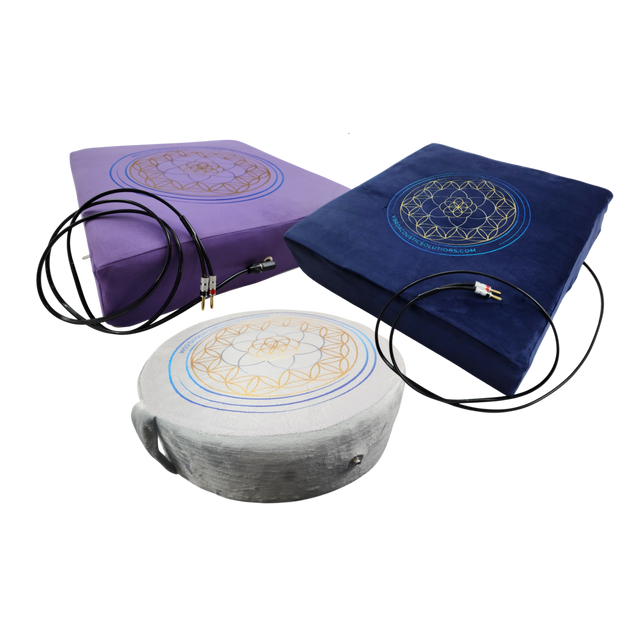
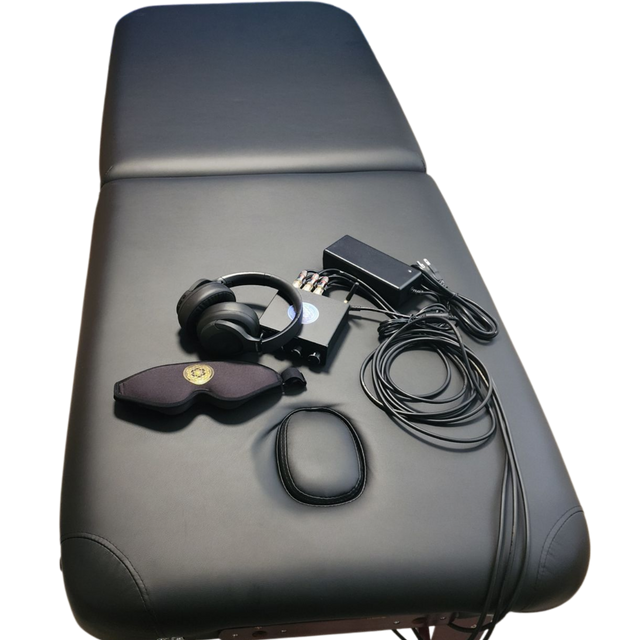
A recovery session can begin before anyone says a word. A client lies on a treatment table or rests against a vibroacoustic cushion, then feels a slow, organized pulse travel through the body. The sound is audible, but the mechanical vibration is equally important. That physical experience is central to the future of sound based recovery: therapeutic sound is becoming a more precise, accessible way to support regulation, rest, and whole-body recovery.
Vibroacoustic therapy is not simply listening to relaxing music. It uses low-frequency sound, often in the 20 to 120 Hz range, to create vibration that is felt through a bed, chair, cushion, or treatment table. Those vibrations interact with the body through touch and pressure receptors in the skin, muscles, and connective tissue. With carefully designed audio, the nervous system receives both auditory and tactile information at the same time.
That distinction matters. Recovery is rarely just a matter of telling the body to relax. The body responds to patterns of input: rhythm, pressure, movement, breath, temperature, safety, and environment. Sound-based systems create another pathway for delivering calm, structured sensory input without requiring strenuous movement or verbal processing.
Why Low Frequencies Can Feel So Grounding
Low-frequency vibration is experienced differently from high-pitched sound. At 30 Hz, 40 Hz, or 60 Hz, a person may feel a gentle pulsing through the back, hips, legs, or chest rather than simply hearing a tone. This is sometimes described as cellular micro-massage, though the experience can vary significantly by frequency, volume, body position, equipment design, and individual sensitivity.
The body is rich with mechanoreceptors that respond to vibration, pressure, stretch, and movement. When low frequencies are delivered through a stable surface, they can create a predictable sensory signal that some people find deeply settling. Slow, rhythmic vibration may also encourage awareness of the breath and help shift attention away from persistent muscular guarding or mental overactivity.
This is where the science of somatic regulation becomes especially useful. A regulated nervous system is not a nervous system that never responds to stress. It is one that can move more flexibly between activation and restoration. For a person carrying chronic tension, sensory overload, athletic fatigue, or poor sleep, a supported sound session can become a reliable cue that it is safe to downshift.
Research on vibroacoustic interventions has explored outcomes including self-reported pain, anxiety, relaxation, motor support, and quality of life across diverse populations. Many studies are small and use different equipment and protocols, which is why the next phase of the field must emphasize better standardization. Still, the consistent clinical interest is meaningful: low-frequency vibration is being studied as a non-invasive, body-based complement to established recovery and therapeutic care.
The Future of Sound Based Recovery Is Personalized
The most promising systems will not treat every nervous system the same way. A 25 Hz session may feel wonderfully grounding for one person and overly intense for another. A client who wants help transitioning into sleep may prefer gentler amplitude, longer tracks, and an acoustic environment that gradually slows. An athlete after a demanding training block may choose a more energizing protocol before moving into a calming phase.
Personalization starts with the basics: frequency, intensity, session length, and body placement. It also includes the sound design itself. Steady tones, nature-based soundscapes, binaural-style auditory experiences, rhythmic music, and emotionally meaningful playlists can each shape the experience differently.
Some listeners are drawn to 432 Hz music, Solfeggio tones, or frequencies associated with the Schumann resonance because these sounds carry a sense of harmony, ritual, and connection. Others prefer clinically focused low-frequency programs designed around relaxation, muscular comfort, or sensory regulation. A mature sound-based recovery practice has room for both. The goal is not to prescribe one meaning to sound, but to create conditions where the listener feels safe, present, and supported.
Data Should Support the Experience, Not Overcomplicate It
Future systems may incorporate simple feedback tools such as heart-rate variability trends, sleep data, perceived stress scores, and session notes. For practitioners, this can make treatment planning more informed. For home users, it can reveal useful patterns: perhaps 30-minute sessions at 40 Hz support an easier bedtime routine, while 15 minutes of gentle vibration after work reduces the feeling of carrying the day into the evening.
The trade-off is worth remembering. More data does not automatically create better care. A client should not need to become a technician to benefit from a vibroacoustic session. The best technology will make personalization easier while preserving the essential human experience of rest.
From Specialty Rooms to Everyday Recovery Spaces
For years, vibroacoustic therapy was most visible in specialty settings. That is changing. More people want practical nervous system support at home, and more clinicians want equipment that can be integrated into care without rebuilding an entire treatment room.
A massage therapist may add a vibroacoustic attachment kit to an existing table, allowing sound vibration to complement hands-on work. A counselor or somatic practitioner may use a vibroacoustic chair or cushion as part of a grounding routine before or after a session. An integrative clinic may use a dedicated bed for recovery-focused appointments, creating a clear sensory boundary between the pace of the outside world and the quiet of therapeutic care.
At home, accessibility will define adoption. A full vibroacoustic bed can be a powerful centerpiece for a recovery space, but it is not the only option. Cushions and DIY conversion kits can bring clinical-grade principles to a favorite chair, an existing massage table, or a bedroom relaxation routine. The future is not one device for everyone. It is a flexible ecosystem that meets people where they are.
What Practitioners Will Need Next
As sound-based recovery becomes more common, professional application will matter as much as the hardware. Equipment alone does not create a therapeutic environment. Practitioners need clear protocols, informed consent, thoughtful intake conversations, and the ability to adjust a session when a client appears overstimulated, uncomfortable, or emotionally activated.
A strong protocol might begin with a short check-in, followed by 15 to 30 minutes of low-frequency stimulation at a comfortable level. The practitioner can pair the session with breath awareness, body scanning, massage, guided rest, or simple post-session reflection. Rather than chasing a dramatic response, the focus should be on repeatable regulation and the client’s felt sense of safety.
For clients with sensory sensitivities, less can be more. Lower volume, shorter sessions, and an easy way to stop or adjust the vibration are essential. People differ in how they process touch, sound, and stillness. Thoughtful customization is not a limitation of vibroacoustic therapy. It is part of what makes the modality clinically relevant.
Better Research Will Strengthen Better Care
The next chapter also depends on research that reflects real-world use. Studies comparing frequency ranges, session durations, delivery surfaces, and client populations can help clarify which approaches are most useful for specific recovery goals. Researchers can also explore how vibroacoustic therapy fits alongside massage, physical rehabilitation, psychotherapy, sleep routines, and stress-management programs.
There is particular value in measuring both objective and subjective outcomes. Sleep duration or heart-rate variability may offer useful information, but so can a client saying, “My shoulders finally dropped,” or “I felt settled enough to rest.” Recovery is physiological, emotional, and experiential. Sound-based care should honor all three.
A More Sensory Future for Recovery
The future of sound based recovery is not about replacing skilled clinical care, movement, nutrition, sleep hygiene, or medical guidance. It is about adding a practical sensory tool to the recovery environment. When sound becomes touch, and touch becomes a steady invitation to pause, people may find a more direct route back to their bodies.
For home users and practitioners alike, the most useful question is simple: what kind of input helps this person feel more settled, more comfortable, and more able to recover? A well-designed vibroacoustic session can offer an answer that is felt before it is explained.
Latest posts

Therapeutic Furniture Conversion Guide for Home
Read article