A painful neck after a long workday, a low back that tightens before bed, or sore muscles that remain guarded after exercise can make the body feel like it has forgotten how to settle. Sound based pain relief offers a different entry point: rather than asking the body to work harder, it uses audible sound and low-frequency vibration to create conditions that support relaxation, circulation, and nervous system regulation.
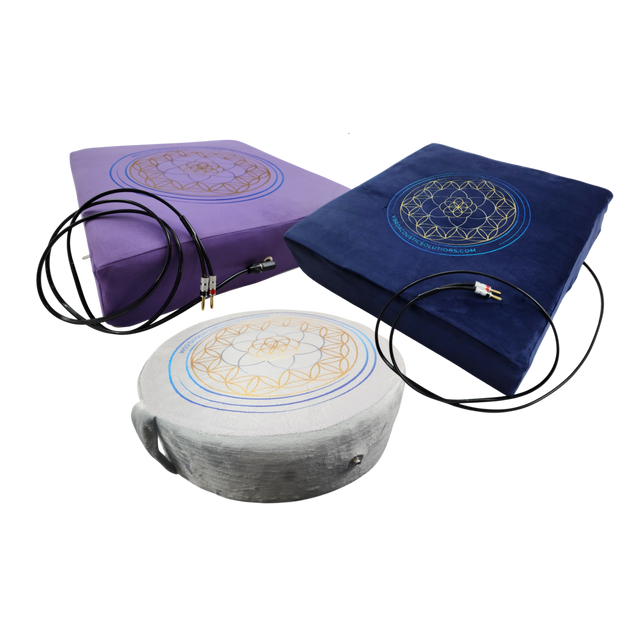
Vibroacoustic therapy is not simply music played through a speaker. It is a somatic technology in which carefully selected frequencies move through a bed, cushion, or treatment table and into the body as gentle mechanical vibration. That physical contact matters. The ears perceive sound, while the muscles, skin, connective tissue, and nervous system also receive rhythmic sensory input.
The physical mechanism behind sound based pain relief
Pain is an experience shaped by more than the injured or overworked area itself. Sensory signals travel from the body to the brain, where they are interpreted alongside stress level, attention, sleep quality, prior experiences, and the state of the autonomic nervous system. When the system is in a prolonged state of vigilance, muscles may remain braced and ordinary sensations can feel more intense.
Vibroacoustic therapy typically uses low frequencies in the range of about 20 to 120 Hz. These frequencies are felt as vibration more readily than they are heard as melody. In many therapeutic sessions, practitioners work within roughly 30 to 80 Hz because the body can perceive these slower pulses as broad, grounding movement rather than sharp stimulation.
When a transducer sends low-frequency sound into a supportive surface, it creates repeated microscopic movement. This is sometimes described as cellular micro-massage: a gentle mechanical input that can encourage local circulation, soften the felt sense of muscular holding, and provide the nervous system with organized sensory information. The goal is not to force tissue to change. It is to offer a steady signal that may help the body move from protection toward recovery.
The rhythmic nature of vibration is equally relevant. The nervous system is built to respond to rhythm. A consistent pulse can give the brain something predictable to track, which may reduce the demand to scan constantly for threat or discomfort. Slow, steady soundscapes paired with tactile vibration can support parasympathetic activity, the branch of the autonomic nervous system associated with rest, digestion, and restoration.
Why low frequencies can feel so relieving
Low-frequency vibration reaches the body through touch. A listener may hear a 40 Hz tone, but when that tone is delivered through a vibroacoustic bed or cushion, they can also feel it across the back, hips, legs, or shoulders. This combination of auditory and tactile input can be especially meaningful for people who find it hard to relax through sound alone.
Different frequency ranges create different sensations. Frequencies around 20 to 40 Hz often feel deep, slow, and grounding. The 40 to 60 Hz range may feel more focused and energizing without being abrupt, while 60 to 80 Hz can offer a lighter, more localized sensation depending on the surface, volume, and body area receiving vibration. There is no single best frequency for every person or symptom. Comfort, sensory preference, and the purpose of the session should guide the selection.
Research into vibroacoustic therapy and related whole-body vibration approaches has explored outcomes including perceived pain, muscle tension, anxiety, sleep quality, and relaxation. Small clinical and pilot studies have often used sessions of 20 to 45 minutes, with low-frequency programs commonly centered between 30 and 80 Hz. Researchers are especially interested in how tactile vibration may influence pain perception through sensory gating, attention, and autonomic regulation.
Sensory gating is a useful concept here. The spinal cord and brain continuously sort a large amount of incoming sensory information. Gentle, non-threatening vibration may compete with or reshape the attention given to discomfort signals. This does not erase the underlying reason for pain. It can, however, help create a window in which the body feels safer, less guarded, and more available for rest or therapeutic movement.
Where vibroacoustic therapy fits in a pain-support plan
Sound based pain relief works best as part of a thoughtful care routine, not as a demand for instant transformation. For someone with tension-related discomfort, a 20- to 30-minute session before sleep may become a reliable transition out of the day. For an athlete or active adult, a session after training may complement hydration, nutrition, mobility work, and adequate recovery time.
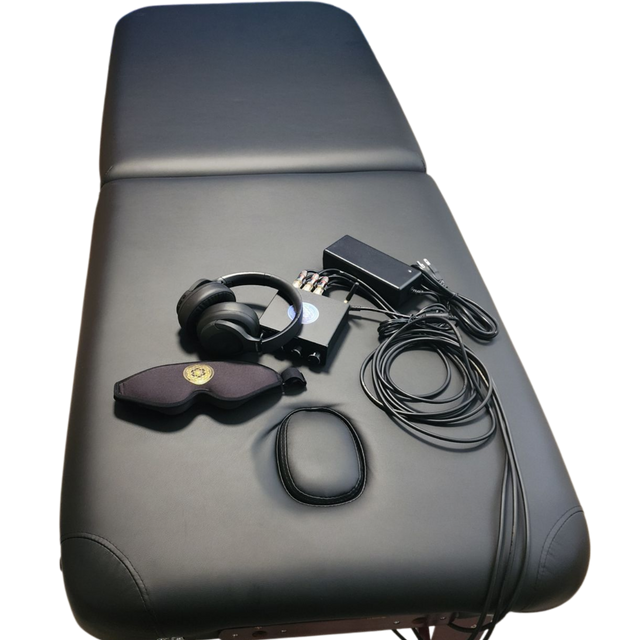
In a clinical or bodywork setting, a vibroacoustic table attachment can deepen the experience of massage, manual therapy, breathwork, or guided relaxation. The sound becomes part of the treatment environment, but the vibration makes it physical. Clients often describe the result as more immersive because they are not only listening to a calming track. They are resting inside a carefully designed sensory field.
For home users, consistency is often more useful than intensity. Begin with a comfortable volume and moderate vibration level, then notice how the body responds during the session and later that day. Some people prefer low frequencies while lying down with a blanket. Others use a vibroacoustic cushion while seated after work, during meditation, or while practicing slow breathing.
A practical session might begin with five minutes of quiet settling, followed by 15 to 25 minutes of low-frequency vibration and calming audio. Let the breath lengthen naturally instead of trying to control it. At the end, allow two or three minutes of stillness before standing. This gives the nervous system time to register the shift rather than moving immediately back into stimulation.
Frequency, comfort, and individual response
The most therapeutic setting is not necessarily the strongest one. Higher intensity can feel stimulating to some people, particularly when they are already fatigued, sensitive to sound, or carrying significant stress. A lower setting may provide a clearer sense of safety and support. The body’s response is the guide: warmth, easier breathing, reduced guarding, and a sense of groundedness are useful signals that the session is well matched.
People also bring different sensory histories into the room. An individual with autism, ADHD, trauma-related tension, or chronic stress may appreciate the predictable structure of tactile sound, while another person may prefer shorter sessions and simpler soundscapes. Choice is part of regulation. Being able to adjust frequency, volume, duration, and body position turns a passive experience into personalized care.
Certain frequencies also hold personal and cultural meaning. Tones such as 432 Hz, 528 Hz, and the approximately 7.83 Hz Schumann resonance are often chosen for the sense of harmony, grounding, or spiritual connection they create. In vibroacoustic work, these tones can be woven into a broader session while the tactile component is tuned for physical comfort. Meaning, expectation, and the feeling of being cared for can all shape a restorative experience.
Using vibroacoustic therapy responsibly
Vibroacoustic therapy is a supportive wellness modality and can sit alongside professional medical care, physical therapy, psychotherapy, and other practitioner-guided approaches. People managing a new, severe, changing, or unexplained pain pattern should seek appropriate clinical evaluation. A qualified practitioner can also help adapt sessions for individual health needs, mobility limitations, or sensory sensitivities.
For professionals, the strongest results often come from clear intention. Choose whether a session is designed for downregulation, recovery, body awareness, or preparation for hands-on work. Then match the frequency range, session length, and sound design to that purpose. Clinical-grade equipment makes this process repeatable, whether it is integrated into a massage table, a treatment room, or a home recovery space.
Pain can make the body feel like a problem to solve. A well-designed vibroacoustic session offers another possibility: a period of steady, physical reassurance in which the body has room to soften, listen, and recover.
Latest posts