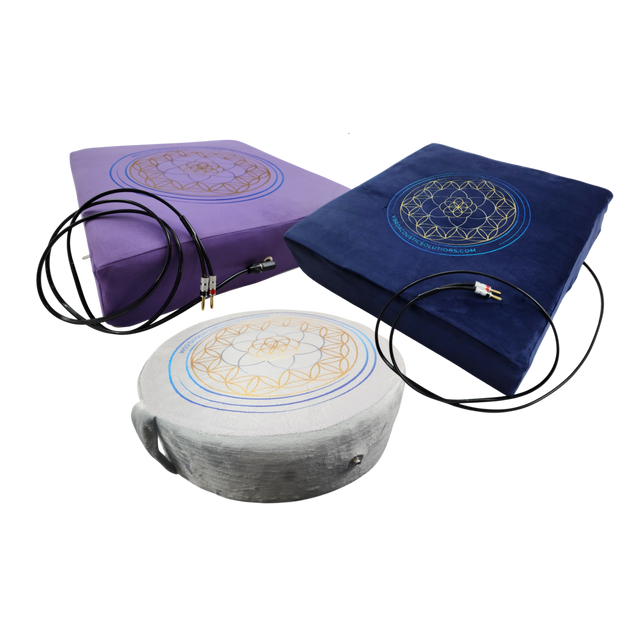
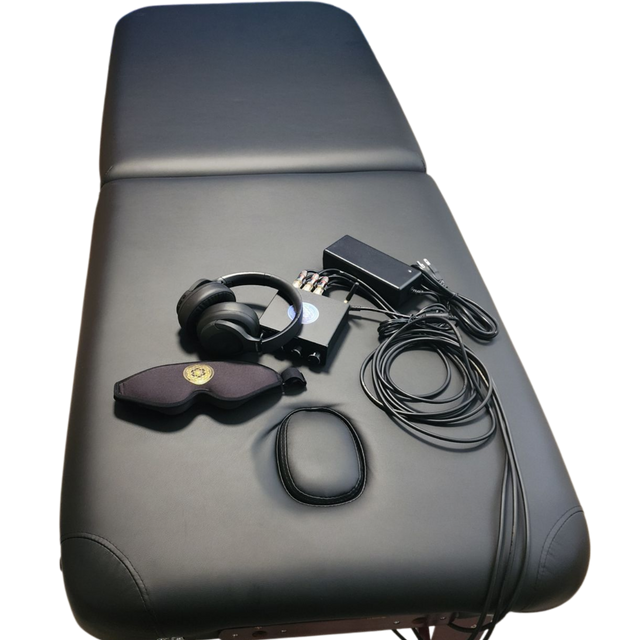
A lot of people first start looking for a vibroacoustic bed for home after they realize standard relaxation tools are not doing enough. Stretching helps a little. Meditation helps sometimes. Massage feels great, but it is not always available when your body is locked up at 9:30 at night and your nervous system will not settle. What often changes the conversation is finding a therapy system that works directly through the body, using low-frequency sound and vibration in a way that feels both measurable and deeply calming.
What a vibroacoustic bed for home actually does
A vibroacoustic bed is not just a massage surface with speakers inside it. A true vibroacoustic system uses specifically delivered low-frequency sound waves that move through the body as gentle, targeted vibration. That vibration is paired with music or therapeutic audio designed to support regulation, relaxation, and recovery.
The key difference is therapeutic intent. In a clinical or home wellness setting, vibroacoustic therapy is used to influence the nervous system, reduce muscular guarding, support circulation, and create a sensory environment that encourages the body to shift out of chronic stress patterns. Many users describe the experience as a full-body exhale, but the mechanism is not mystical. It is mechanical, acoustic, and neurological.
For home use, that matters. You are not buying a novelty wellness gadget. You are bringing in a piece of somatic health technology that may support better sleep, lower stress reactivity, less pain amplification, and more consistent recovery.
Who benefits most from a vibroacoustic bed for home use
The strongest candidates are usually people dealing with persistent nervous system load. That includes stress, sleep disruption, chronic pain, tension patterns, post-exercise recovery needs, and sensory dysregulation. It can also be appealing for households supporting autism, ADHD, trauma-related tension, or burnout, where calming the body is often more effective than trying to think your way into relaxation.
That said, expectations matter. A vibroacoustic bed is not a cure for complex health conditions, and it should not be framed that way. What it may do is create a repeatable therapeutic environment that helps the body become more receptive to healing, more tolerant of rest, and less stuck in fight-or-flight activation.
For some people, the biggest benefit is sleep onset. For others, it is a reduction in muscle guarding, lower pain intensity, or feeling emotionally steadier after sessions. Results vary because the nervous system is personal. The same frequencies and session style that feel profoundly grounding to one user may feel overstimulating to another, especially in the beginning.
The science behind the experience
Vibroacoustic therapy sits at the intersection of low-frequency sound stimulation, mechanotransduction, sensory regulation, and music-based therapeutic support. In practical terms, the body receives rhythmic vibrational input that can influence muscle tone, breathing patterns, autonomic balance, and perception of pain.
Low frequencies can create a kind of cellular micro-massage through tissue. That does not mean every session penetrates every layer of the body in the same way, but it does help explain why users often report changes that feel broader than surface-level relaxation. When paired with carefully selected audio, the body is not only hearing the session. It is physically receiving it.
This is one reason vibroacoustic therapy is often discussed in the context of vagal support and somatic regulation. Predictable sensory input can help the nervous system move toward a safer, more organized state. For people who feel wired, braced, restless, or disconnected from their bodies, that can be significant.
Research in the category is still evolving, and not every product on the market is built to a clinical-grade standard. That is an important distinction. The quality of transducers, frequency delivery, structural design, and audio programming all affect whether the experience is truly therapeutic or just mildly pleasant.
What to look for before you buy
If you are comparing systems, start with the hardware. A well-designed vibroacoustic bed should deliver low frequencies evenly and comfortably without rattling, harshness, or obvious dead zones. If the structure feels unstable or the vibration is inconsistent, the therapeutic value drops quickly.
Next, look at frequency capability and programming. Some systems are built for general relaxation, while others are designed with more intentional protocols for stress regulation, pain support, sleep, or recovery. If your goal is therapeutic use rather than entertainment, the software and session design matter just as much as the bed itself.
Build quality also deserves attention. A home system should be durable enough for repeated use and comfortable enough that you will actually use it consistently. Upholstery, weight capacity, surface support, and ease of setup all affect long-term value.
Then there is the question of footprint. A full vibroacoustic bed can be the right choice if you want a dedicated therapy station at home. But not everyone needs that format. Some households do better with cushions, table conversion kits, or modular systems that adapt existing furniture. A smaller setup can still offer meaningful therapeutic benefit if the core technology is sound.
Is a full bed better than a cushion or conversion kit?
It depends on how you plan to use it. A full bed usually offers the most immersive experience. There is more body contact, better distribution of low-frequency stimulation, and a stronger sense of containment. For users focused on nervous system downregulation, chronic pain support, or regular recovery sessions, that can make the experience more effective and easier to stick with.
A cushion or conversion kit can be a smart choice if space, budget, or flexibility matter more. These options can bring vibroacoustic therapy into a recliner, massage table, or existing bed setup without requiring a complete furniture replacement. For practitioners, that versatility is often useful. For home users, it can be the difference between getting started now and postponing the idea indefinitely.
The trade-off is usually immersion and precision. A dedicated bed is often better at delivering a cohesive full-body session. A portable or retrofit option can still work well, but the surrounding structure affects transmission and comfort.
What using one at home really feels like
A good session does not feel like being shaken or pounded. It feels rhythmic, grounding, and organized. Many people notice their breathing slow down without effort. The jaw softens. The shoulders drop. Areas that usually feel armored begin to release. For people living with chronic tension, that shift alone can be surprisingly emotional because the body has often forgotten what ease feels like.
Some sessions are best used in the evening to support sleep readiness. Others can be used midday to interrupt stress buildup or after physical exertion to support recovery. The right schedule depends on your goal. If you are highly activated or sensory-sensitive, shorter sessions are often the best place to start.
Consistency tends to matter more than intensity. Ten to twenty minutes several times a week may do more than a single long session when your body is already overloaded. This is part of what makes a home setup valuable. Access changes adherence, and adherence changes outcomes.
When a home vibroacoustic bed is worth the investment
It is usually worth it when you know you need repeated access, not occasional exposure. If you already respond well to sound therapy, body-based relaxation, massage, or sensory regulation tools, a vibroacoustic bed may become a central part of your wellness routine. It can also make sense if you are spending heavily on one-off services that provide relief but are hard to maintain.
For families or practitioners, the value can be even clearer. A single home system may support multiple users with different goals, from sleep and stress reduction to post-treatment recovery or sensory calming. In those cases, the cost spreads across many sessions and many applications.
Where people get disappointed is when they buy based on hype instead of fit. If you want a dramatic overnight fix, this may not match your expectations. If you want evidence-based support for regulation, recovery, and body-based calm, it is a much stronger match.
Vibroacoustic Solutions has helped make this category more accessible by focusing on systems that bridge clinical-grade intent with practical home use. That balance matters because therapeutic technology only works when people can actually live with it, afford it, and use it consistently.
The real question to ask
The better question is not whether a vibroacoustic bed for home is worth it in the abstract. It is whether your body would benefit from reliable access to low-frequency, non-invasive nervous system support in the place where stress, pain, and sleep disruption actually show up most often - at home.
If the answer is yes, the right system can become less of a luxury and more of a therapeutic infrastructure. And for many people, that is where real change begins.
Latest posts

Somatic Sound Therapy Versus Massage: Key Differences
Read article

Massage Practice Sound Table Example That Works
Read article