A vibrating treatment table and a PEMF mat can look similar from across the room: both invite a person to lie down, rest, and receive a non-invasive session. Yet vibroacoustic therapy versus PEMF is not a choice between two versions of the same technology. One uses audible sound and mechanical vibration to engage the body through touch and hearing. The other uses pulsed electromagnetic fields to create changing magnetic exposure around the body. Understanding that physical difference makes it much easier to choose the right experience for a home routine or professional practice.
The Core Difference: Sound Frequency Vibration vs. Magnetic Fields
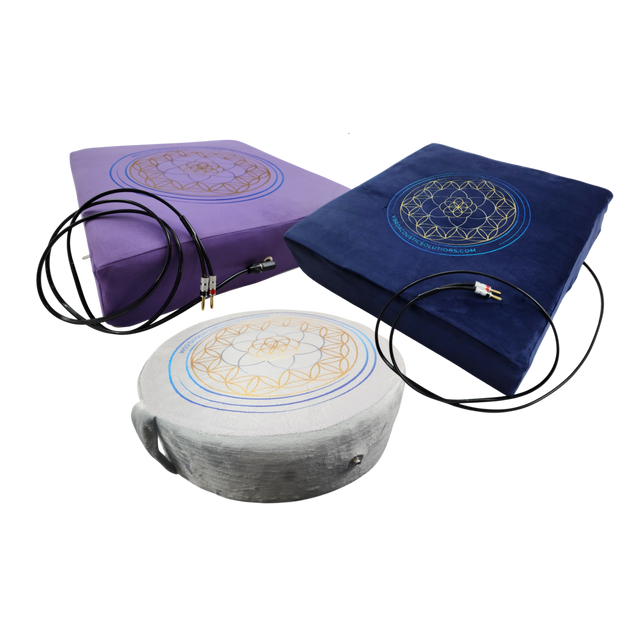
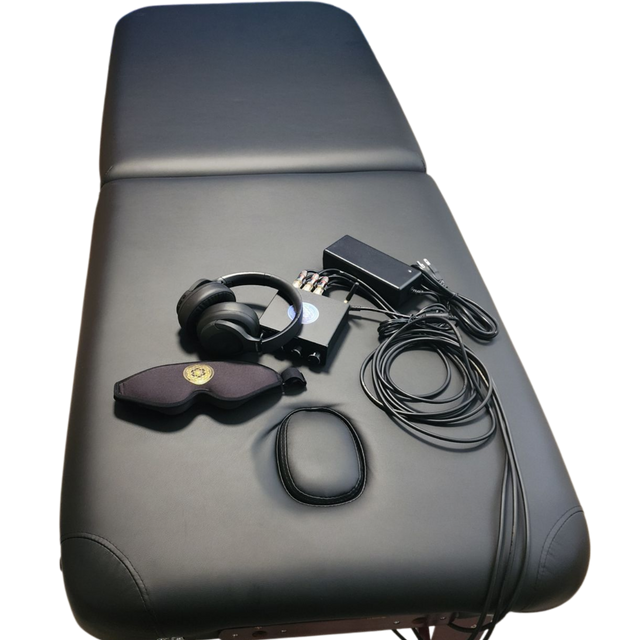
Vibroacoustic therapy begins with low-frequency sound, typically in the range of about 20 to 120 Hz. A music source or specialized frequency track is sent to transducers installed in a bed, chair, cushion, or massage table attachment. Those transducers convert the audio signal into precisely timed physical vibration. The listener hears the music or tones while the body feels the bass frequencies through the surface beneath it.
This matters because low-frequency vibration travels through the treatment surface and into areas of contact such as the back, hips, legs, and shoulders. The experience engages mechanoreceptors in the skin and deeper tissues, along with the auditory system. Slow, predictable rhythmic input can give the nervous system a strong cue of safety and organization. Many people describe the sensation as being held by sound: the body is not merely listening to music but receiving it physically.
PEMF, short for pulsed electromagnetic field therapy, works through a different pathway. A PEMF device sends intermittent electrical current through a coil, producing a changing magnetic field. Depending on the system, pulse rates may range from very low frequencies, such as 1 to 30 Hz, through hundreds of Hz. Field strength can also vary widely, commonly described in gauss or millitesla.
The body usually does not feel a PEMF pulse as a massage-like vibration. Some people notice warmth, subtle tingling, or nothing perceptible during a session. Its appeal is that it can be used without sound, pressure, or strong sensory input. For people who want a quiet, low-sensation recovery ritual, that distinction can be meaningful.
Vibroacoustic Therapy Versus PEMF for Nervous System Regulation
For stress, sensory overload, trauma-related tension, and difficulty settling before sleep, vibroacoustic therapy often offers the more immediately tangible experience. The combination of low-frequency vibration and sound can support a shift from mental overactivity toward body awareness. A session may use sustained tones, slow musical pacing, or gentle rhythmic patterns designed to reduce stimulation rather than add to it.
The frequency range matters here. Frequencies around 30 to 80 Hz are commonly used in vibroacoustic applications because they create a full-bodied sensation without requiring excessive volume. The vibration is felt through the skeletal and soft-tissue contact points, while calming audio can support slower breathing and a more regulated attentional state. For clients who struggle to describe what they need, the direct sensory experience can be especially useful: they can simply lie down, feel the rhythm, and notice what changes.
PEMF may also fit a regulation routine, particularly for a person who finds music distracting or vibration too intense. Its sessions are generally quiet and can be paired with meditation, bodywork, or rest. However, the absence of a felt mechanical rhythm means PEMF does not provide the same immediate tactile cueing that makes vibroacoustic therapy so compelling for somatic work.
Neither approach needs to be framed as universally better. A highly sound-sensitive client may prefer the quiet neutrality of PEMF. Someone who feels disconnected from their body, carries persistent muscular guarding, or responds well to bass, rhythm, and touch-based therapies may find vibroacoustic therapy more engaging.
Pain Support, Muscle Recovery, and Physical Ease
Vibroacoustic therapy is often selected when the goal includes relaxation of guarded muscles, comfort during bodywork, or post-exertion recovery support. The treatment surface delivers broad, low-frequency movement rather than the localized percussion of a massage gun. This can create a gentle whole-body micro-massage effect, particularly across the spine, pelvis, and posterior chain when someone is lying supine.
The therapeutic value is not simply the vibration itself. A person who feels safe, supported, and able to relax may breathe more freely and reduce protective muscular holding. In a massage, chiropractic, physical therapy, or integrative wellness setting, vibroacoustic sound can make the treatment table feel less passive and more participatory. It gives the practitioner an additional sensory tool without requiring constant hands-on pressure.
PEMF is commonly chosen in recovery-focused routines because it can be applied to a target region or used as a full-body mat session. The changing magnetic field is often discussed in relation to cellular signaling, circulation, and the body’s natural recovery processes. Its low-contact format may appeal to people who are sore, sensitive to touch, or simply want to rest without audible stimulation.
The trade-off is experiential. PEMF can be an easy addition to a recovery protocol, but it may feel abstract to first-time users because there is little to see or feel during treatment. Vibroacoustic therapy offers clearer sensory feedback. A client can recognize the frequency moving through the table, follow the music, and associate the session with a felt release. For adherence, that difference is not trivial. People are more likely to repeat a wellness practice when it is both comfortable and meaningful.
What the Research Conversation Looks Like
Both modalities are subjects of ongoing clinical and wellness research, though the quality and focus of studies vary by application, device settings, and participant group. Vibroacoustic research has explored areas including relaxation, pain perception, motor support, mood, and quality of life. Researchers are interested in how low-frequency sound vibration may influence autonomic activity, sensory processing, muscle tone, and the therapeutic effects of music.
One practical challenge is that vibroacoustic sessions are not identical from one setting to another. A 40 Hz tone delivered through a reclining chair feels different from 40 Hz played through a full-body bed, and both differ from a session that combines music, guided breathing, and practitioner support. This is also part of the modality’s strength: the experience can be tailored to the individual.
PEMF research likewise includes a broad range of protocols. Frequency, waveform, field strength, session duration, and placement all affect the intervention. That variety means broad claims deserve careful interpretation, especially when a device is marketed for many different goals. A quality provider should be transparent about settings, intended use, and how the technology fits into a larger wellness or care plan.
For practitioners, the most useful question is not which modality has the more impressive label. It is which mechanism matches the client’s needs, preferences, and sensory profile.
Choosing the Right Modality for Your Setting
A vibroacoustic system is especially well suited to practices where the treatment environment matters as much as the device itself. Massage therapists, sound practitioners, trauma-informed providers, and clinics focused on stress regulation can use it to create an immersive experience without adding complexity to the session. A bed, cushion, or massage table attachment also gives clients a clear physical reference point for their progress: they can feel the session rather than merely wait through it.
For home users, vibroacoustic therapy can become a repeatable regulation ritual. A 20- to 30-minute session before bed, after work, or following exercise can create a reliable transition out of high-alert mode. The best setup is not necessarily the largest system. A cushion may be ideal for a reading chair, while a conversion kit can bring therapeutic sound to an existing massage table or bed.
PEMF may be the better fit when quiet use, minimal sensory input, or targeted placement is the priority. Some households and clinics choose to offer both modalities because they serve different moments. PEMF can support a silent rest period, while vibroacoustic therapy can provide a more immersive session for relaxation, body awareness, and sensory integration.
A More Useful Way to Decide
Start with the experience you want the person to have. If the goal is to feel grounded through rhythm, music, and gentle whole-body vibration, vibroacoustic therapy has a distinct advantage. If the goal is a quiet, low-contact session with magnetic field exposure, PEMF may be more aligned.
For many people, the deciding factor is simple: vibroacoustic therapy makes regulation tangible. The body can feel the low frequencies arrive, settle into their rhythm, and gradually recognize that it has permission to rest. That direct conversation between sound, touch, and the nervous system is what makes a thoughtfully designed vibroacoustic system such a valuable part of modern therapeutic care.
Latest posts