When people hear the phrase Sound Therapy, they often picture ambient music, crystal bowls, or a general sense of relaxation. That version exists, but it leaves out a more precise and clinically relevant category - sound used as a therapeutic input to influence the nervous system, support physical recovery, and improve regulation. For home users and practitioners alike, that distinction matters because the method, dosage, and delivery system change the outcome.
At its most useful, sound therapy is not just something you listen to. It is something your body receives. In vibroacoustic applications, low-frequency sound is delivered through a surface such as a bed, cushion, or treatment table, allowing the body to feel acoustic vibration while also hearing sound through headphones or speakers. This creates a combined sensory experience that can affect muscle tone, autonomic arousal, pain perception, and the felt sense of safety.
What sound therapy actually includes
Sound therapy is a broad term, and that is part of the confusion. It can refer to music-based interventions, tinnitus retraining, rhythmic auditory stimulation, meditative sound experiences, and vibroacoustic therapy. These approaches are not interchangeable.
For someone dealing with stress, sleep disruption, chronic pain, trauma-related tension, or sensory dysregulation, the difference between passive listening and body-based acoustic stimulation is significant. Listening may help with mood and attention. Vibroacoustic therapy adds a tactile component that can deepen regulation by engaging the body directly. In practical terms, that means the sound is not only heard by the ears but transmitted as vibration through tissue, which many users experience as grounding, soothing, and physically organizing.
This is why sound therapy sits at the intersection of neuroscience, somatic care, and rehabilitation. It can be gentle enough for wellness settings yet structured enough for professional treatment plans.
How Sound Therapy works in the body
The core mechanism is resonance. Sound is vibration, and when specific frequencies are delivered through the body, they create rhythmic mechanical stimulation. In vibroacoustic systems, low frequencies are commonly used because they are easier to feel physically and can be delivered in a controlled way through furniture, tables, and cushions.
That stimulation may influence the nervous system through several pathways. First, repetitive low-frequency input can encourage downshifting from sympathetic activation toward parasympathetic states, especially when paired with comfortable positioning and calming audio. Second, vibration can reduce guarding patterns in muscle and fascia, which is one reason many people report less physical tension after a session. Third, rhythm itself is regulating. The brain and body respond to predictable sensory input, and that predictability can be especially helpful for people who feel overstimulated, hypervigilant, or disconnected from their bodies.
There is also a pain modulation component. Mechanical vibration can compete with pain signaling, alter sensory processing, and help some users feel less braced. That does not mean sound therapy replaces medical care, and it does not work the same way for every condition. But for many people, it becomes a meaningful non-invasive support layered alongside massage therapy, somatic therapy, recovery protocols, or home wellness routines.
Why vibroacoustic therapy stands apart
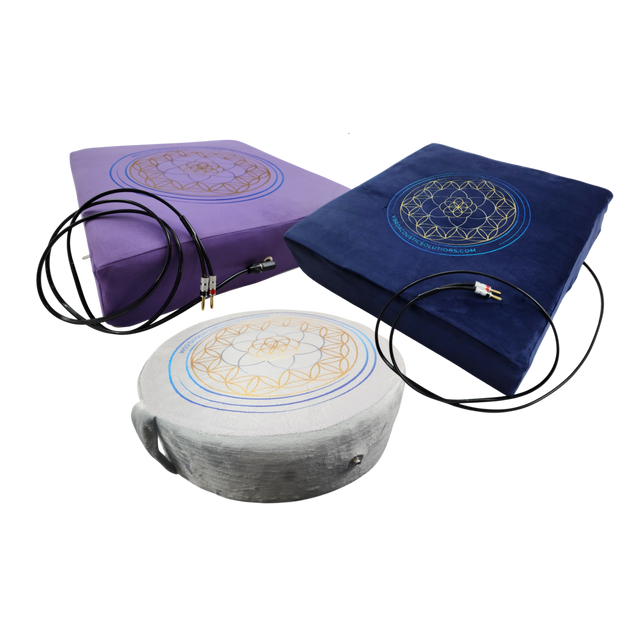
If all sound therapy involved were listening, the equipment would not matter much. Vibroacoustic therapy is different because delivery matters a great deal. The body needs consistent contact with a surface that can transmit low-frequency vibration safely and evenly. That is why specialized systems exist for treatment tables, beds, mats, and cushions.
A well-designed setup allows practitioners to integrate vibroacoustic stimulation into existing workflows without completely changing their practice model. A massage therapist may use it to help a client settle before bodywork. A somatic practitioner may use it to support interoceptive awareness and regulation. A home user may rely on it before sleep or during periods of nervous system overload.
The advantage is not novelty. The advantage is that vibroacoustic therapy gives sound a physical pathway into the therapeutic process. For clients who struggle to relax through verbal instruction alone, tactile acoustic input can make regulation feel more accessible.
Conditions and goals it may support
The strongest use case for sound-based therapy is not one single diagnosis. It is a cluster of regulation-related needs that often overlap. Stress, poor sleep, chronic pain, sensory processing challenges, post-exertion tension, and trauma-related muscle holding patterns all involve the nervous system in some way.
For stressed adults, sessions often help create a transition out of high alert states. For people with sleep issues, evening use may support a more gradual descent into rest. For pain patients, the combination of vibration and sound may reduce the intensity of guarding and improve comfort. For autistic individuals, people with ADHD, or those with sensory dysregulation, predictable low-frequency input can be organizing, though tolerance varies and personalization matters.
In clinical or integrative settings, sound therapy can also complement breathwork, psychotherapy, bodywork, meditation training, and rehabilitation exercises. It is not a cure-all, and it is not ideal for every person at every moment. Some clients need lower intensity, shorter sessions, or careful screening if they are medically complex or highly sensory-sensitive.
What a good session should feel like
A common misconception is that therapeutic sound should feel dramatic. In reality, the most effective sessions are often subtle. The body feels supported, gently vibrated, and less defended. Breathing may slow. Muscles may soften. Attention may move inward without becoming effortful.
For some people, the effect is immediate. Others notice change after repeated exposure, especially if their baseline state is highly activated. The goal is not to force relaxation. The goal is to provide structured sensory input that gives the nervous system a better chance to regulate.
This is also where frequency selection, session length, body position, and audio pairing become important. Lower frequencies may feel more grounding. Mid-range settings may feel more energizing or stimulating. Longer sessions are not always better. Someone recovering from overload may do well with 10 to 20 minutes, while another person may benefit from a longer restorative session.
Choosing the right sound therapy setup
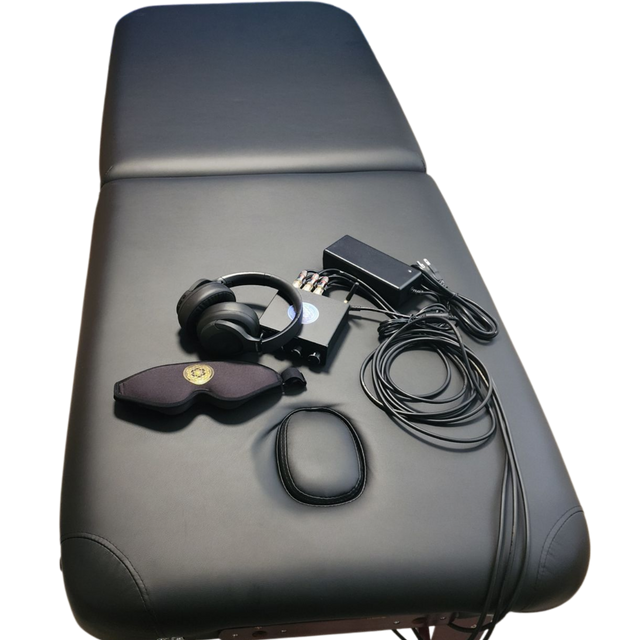
For practitioners, the best system depends on workflow. If you already use a massage table, an attachment kit may be the most practical entry point. If your work is more relaxation-focused or studio-based, a dedicated vibroacoustic bed or mat may offer a stronger full-body experience. Portability, cleaning requirements, client turnover, and session control all matter.
For home users, the questions are simpler but still important. Where will the system live? How often will it be used? Is the goal sleep support, daily regulation, pain relief, or a multipurpose wellness routine? Cushions work well for compact spaces and seated use. Bed-based systems tend to support longer, more immersive sessions. DIY conversion options can be appealing for people who want access to clinical-grade function without replacing existing furniture.
This is one reason brands like Vibroacoustic Solutions focus on both education and equipment. The product matters, but matching the product to the user’s body, goals, and environment matters just as much.
What the research suggests - and where caution is needed
The evidence base around vibroacoustic therapy is promising, especially in areas related to relaxation, pain, muscle tension, and quality of life. There is growing interest in how low-frequency stimulation may support autonomic regulation, reduce stress-related symptoms, and enhance therapeutic engagement. Practitioners are also paying closer attention to the relationship between rhythmic sensory input and vagal tone, though this area still needs careful interpretation.
At the same time, science-centered practice means avoiding exaggerated claims. Sound therapy is not a replacement for diagnosis, trauma-informed care, or individualized treatment planning. Some people respond quickly, while others need more gradual exposure. Certain medical conditions may require professional guidance before using vibration-based systems. If someone has acute illness, unstable cardiovascular issues, seizure concerns, implanted devices, or a complex neurological picture, screening is wise.
That caution does not weaken the modality. It strengthens it. Therapeutic credibility comes from understanding where sound therapy fits, where it helps most, and where it should be used thoughtfully.
Why this modality is growing now
More people are looking for interventions that feel non-invasive, body-based, and evidence-aware. They want tools that support regulation without requiring them to power through pain, force meditation, or rely only on cognitive strategies. Practitioners want modalities that integrate well into existing care plans and offer a tangible sensory experience clients can feel.
That is where sound therapy has real staying power. It bridges wellness and clinical application in a way that feels immediate. You do not need to guess whether the body is receiving input. You can hear it, feel it, and often observe the shift in breathing, muscle tone, and overall settling.
For people who are tired, tense, overstimulated, or simply disconnected from rest, the value of that kind of therapeutic input is straightforward. The right sound, delivered the right way, can help the body remember what regulation feels like.
Latest posts


What the Future of Nervous System Technology Holds
Read article