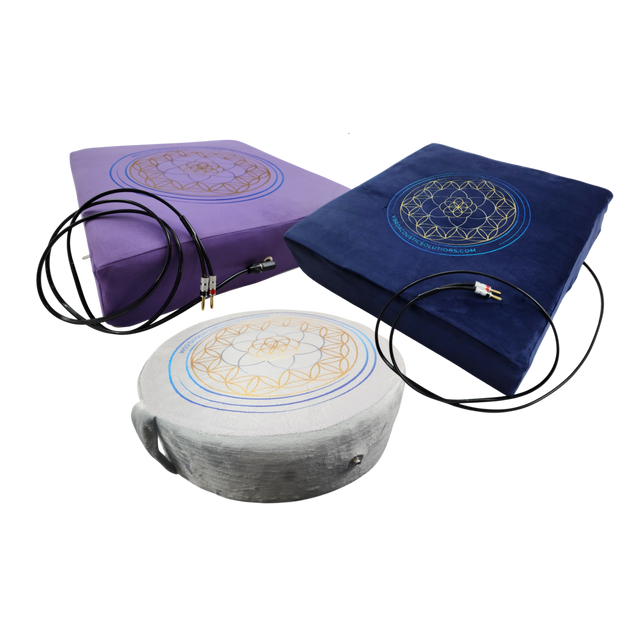
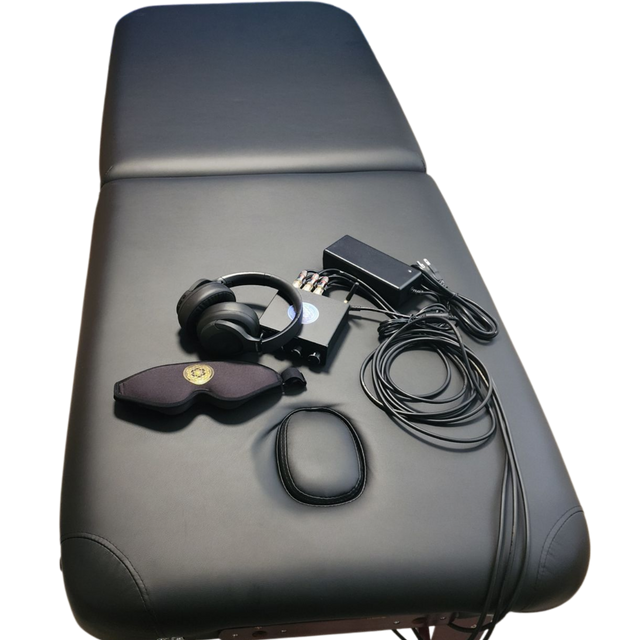
A vibroacoustic cushion review should begin with the part you can feel before you can explain it: low-frequency sound is not simply heard. Through a purpose-built transducer, it is delivered as gentle, rhythmic vibration through the body. The cushion becomes a contact point for sound waves, allowing the nervous system to receive frequency as tactile sensation as well as audible sound. For people seeking a quieter route into rest, recovery, or sensory regulation, that physical experience is the real question behind whether a cushion is worth buying.
What a Vibroacoustic Cushion Actually Does
A vibroacoustic cushion contains one or more tactile transducers - components that convert an audio signal into mechanical vibration. When the system plays low-frequency audio, commonly in the 20 to 120 Hz range, the transducer moves in response to that signal. The cushion transfers those movements into the back, hips, legs, or other areas in contact with it.
This matters because the body is highly responsive to rhythm, pressure, and vibration. Low frequencies can be felt more readily than higher musical tones. A 40 Hz tone, for example, produces a slow, distinct pulse; 80 Hz generally feels tighter and more energizing. The result is often described as an internal massage, though the mechanism is different from rollers, kneading nodes, or percussion devices. Rather than mechanically working one small muscle group, vibroacoustic therapy creates a broad field of rhythmic sensory input.
That input may support the shift from sympathetic activation - the body’s mobilized, vigilant state - toward parasympathetic settling. Slow breathing, calming music, a comfortable position, and predictable tactile rhythm can work together to make rest more accessible. Many people notice that their attention stops chasing thoughts quite so intensely because the body has something steady and non-threatening to orient around.
The science of somatic regulation is especially relevant here. Sensory signals from skin, muscle, and connective tissue continuously inform the brain about safety, movement, and position. A well-calibrated vibroacoustic session adds a controlled layer of information to that system. It is not a replacement for medical care, but it can be a meaningful supportive practice within a broader wellness, therapeutic, or recovery routine.
Vibroacoustic Cushion Review: Strengths and Limits
The strongest case for a vibroacoustic cushion is convenience. A full-size vibroacoustic bed provides whole-body contact and can be ideal in a dedicated treatment room, but it requires space, budget, and a permanent setup. A cushion can be placed on a favorite chair, sofa, recliner, massage table, or bed. That makes regular use far more realistic for many households and smaller practices.
A cushion is also less imposing for people who are new to frequency-based therapy. Sitting with a cushion behind the back or under the hips can feel familiar and contained. For clients who become overwhelmed by too much sensory input, that smaller contact area may be preferable to a full-body system. For others, especially those with diffuse tension or a strong preference for immersive sessions, the limited surface area may feel like a compromise.
Comfort depends on construction as much as frequency. A good cushion should distribute vibration evenly enough that the experience feels coherent, not like a single hard point pressing into the spine. It should have enough padding to remain comfortable during a 20- to 40-minute session, while still allowing vibration to travel through the body. Excessively soft filling can dampen the signal; overly firm construction can make longer sessions uncomfortable.
Sound is another practical consideration. Transducers create tactile vibration, but the cushion may also produce audible low-end sound, especially at higher volume. That is often part of the experience, particularly when paired with music, binaural content, nature soundscapes, or tones such as 40 Hz. Still, someone using a cushion in an apartment, shared office, or quiet clinic should consider how much audible output is appropriate for the setting.
Which Frequencies Feel Most Useful?
There is no universally best frequency. The response depends on body position, the quality of the transducer, the audio track, the intensity setting, and the individual using it. The following ranges are common starting points in vibroacoustic practice:
- 20 to 40 Hz often feels slow, grounding, and deeply physical. These frequencies are frequently chosen for quiet rest, body awareness, and settling after a demanding day.
- 40 to 60 Hz can offer a balanced, steady sensation that works well for relaxation sessions and therapeutic music programs.
- 60 to 90 Hz tends to feel more active and defined, which some users prefer for pre-movement preparation or post-exercise recovery routines.
- 90 to 120 Hz may feel more localized and stimulating, depending on the cushion placement and intensity.
For home use, begin at a low intensity. A frequency that feels soothing at one volume can feel too strong when the cushion is directly under the sacrum, upper back, or rib cage. Give the body time to respond. Ten to 15 minutes is often enough for a first session, especially for people with sensory sensitivity, trauma-related tension, migraines, or a history of becoming overstimulated by sound or touch.
What to Look for Before You Buy
The first consideration is placement. A lumbar-style cushion is useful for seated work, reading, and relaxation in a chair. A larger flat cushion may be better for placing under the upper back, hips, calves, or thighs while lying down. Practitioners should consider whether the cushion will be used on a massage table, in a zero-gravity chair, or as an add-on to an existing treatment environment.
Next, look at the signal path. A clinical-grade setup should allow you to use properly produced low-frequency audio and control the intensity with precision. Bluetooth convenience is helpful, but reliable wired connections can be valuable in professional settings where consistency matters. The audio source, amplifier, transducer quality, and cushion material all influence the final experience.
Durability deserves attention as well. Home users may prioritize softness and portability. Clinics need upholstery that can withstand repeated use, can be cleaned appropriately between clients, and maintains its shape over time. If a cushion will be part of a paid service, it should feel intentional and professional rather than like a consumer speaker tucked under a blanket.
Vibroacoustic Solutions offers cushion-based options within a broader ecosystem of beds, massage table attachments, and conversion kits. That flexibility can be valuable when a home user wants to begin with a compact system or when a practitioner wants to add tactile sound to an established practice without replacing every piece of furniture.
Who May Get the Most Value From a Cushion?
A vibroacoustic cushion can be especially useful for people who need a repeatable ritual for downshifting. It gives the body a clear cue: sit or lie down, start the program, breathe, and allow the rhythm to do part of the work. That consistency can be helpful for sleep preparation, end-of-day decompression, gentle recovery, and transitions after emotionally demanding experiences.
It can also be a thoughtful tool for massage therapists, somatic practitioners, and integrative providers. Used before hands-on work, it may help clients arrive more fully in their bodies. Used afterward, it can extend the sense of rest without requiring more physical effort from the practitioner. The most effective use is usually simple: select a comfortable position, use an appropriate intensity, and give clients enough quiet time to notice their response.
A cushion may be less suitable for someone expecting the force of a percussion device or the full-body immersion of a dedicated bed. It is also wise to seek individualized guidance before use when there are implanted electronic devices, acute injury, pregnancy-related concerns, or conditions where vibration exposure needs clinical consideration.
The best vibroacoustic cushion is not necessarily the one that feels strongest. It is the one that makes it easier to return to your body with enough comfort, control, and consistency that the practice becomes part of real life.
Latest posts