A sound therapy bed can feel deceptively simple at first - you lie down, low frequencies move through the body, and music or therapeutic tones become something you feel as much as hear. But the real value is not novelty. It is the way properly delivered vibration and sound can support nervous system regulation, physical relaxation, sensory grounding, and recovery in a controlled, repeatable format.
That distinction matters because this category is often misunderstood. A sound therapy bed is not just a massage surface with speakers inside it, and it is not limited to a spa-style relaxation experience. In a clinical or home therapeutic setting, it is a vibroacoustic system designed to transmit specific low-frequency sound waves through the body while the user rests in a supported position. When built and used well, the result is a whole-body somatic intervention that can complement work around stress, pain, sleep, trauma-related tension, sensory processing, and post-treatment integration.
How a sound therapy bed works
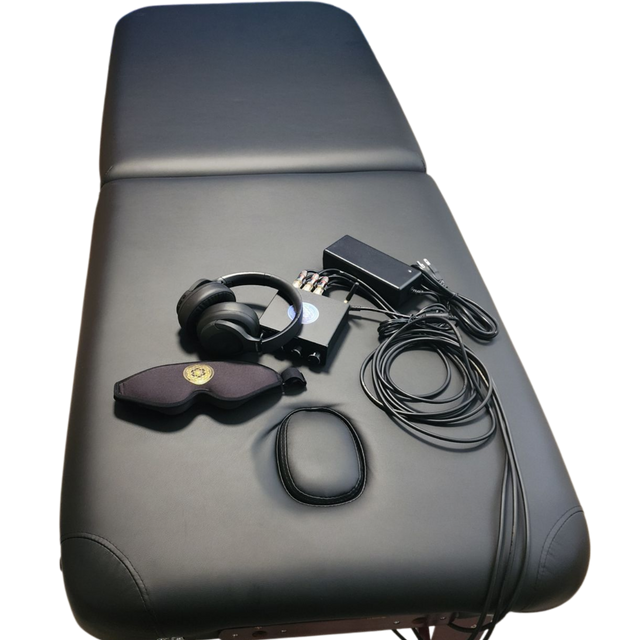
At the core of a sound therapy bed are transducers or low-frequency speakers that convert audio signals into mechanical vibration. Instead of simply hearing a tone through the air, the body receives that tone as localized or full-body resonance through the treatment surface. This is what separates vibroacoustic therapy from ordinary music listening.
Most systems are designed to deliver frequencies in ranges associated with relaxation, regulation, and tissue-level stimulation. The exact setup varies by manufacturer and use case, but the principle is consistent: low-frequency sound travels through the body while music, guided tracks, or targeted frequency programs help shape the experience. Many users describe it as a combination of internal massage, weighted stillness, and rhythmic entrainment.
From a therapeutic perspective, that matters because the nervous system responds to patterned sensory input. Repetitive low-frequency stimulation may help shift the body out of high alert and toward parasympathetic activity, the branch associated with rest, digestion, and recovery. For some people, the effect is primarily calming. For others, it is more physical - reduced muscular guarding, easier breathing, less restlessness, or improved body awareness.
Why vibroacoustic stimulation feels different
A standard massage chair works through external pressure. A meditation track works through auditory processing. A sound therapy bed sits in a different category because the stimulus is both auditory and tactile. The body is not just listening. It is receiving rhythmic mechanical input across broad contact areas.
That can make the experience especially relevant for people who struggle to relax through cognitive techniques alone. If someone has persistent stress activation, chronic pain patterns, sensory dysregulation, or a hard time settling into stillness, body-based interventions often work better than verbal instruction by itself. Vibration gives the nervous system something concrete to organize around.
There is also a practical advantage in the supine or reclined format. When the body is fully supported, there is less postural effort and less demand on the musculoskeletal system. That creates better conditions for downregulation. In professional settings, a bed-based system can also extend treatment value by helping clients arrive, settle, or integrate after hands-on care.
What a sound therapy bed may help with
The strongest interest in sound therapy beds usually centers on four needs: stress reduction, sleep support, pain management, and sensory regulation. Those are broad categories, and outcomes vary by person, but they reflect why vibroacoustic systems are now being used in wellness studios, integrative clinics, recovery spaces, and homes.
For stress and burnout, the goal is often to reduce sympathetic overactivation. Slow, steady low frequencies can support a sense of safety and grounding that is difficult to create through willpower alone. This is one reason the modality appeals to people who feel constantly keyed up, mentally tired, or physically tense.
For sleep, the value is usually indirect rather than sedative. A sound therapy bed does not force sleep. What it can do is help lower physiological arousal, reduce muscular tension, and create a repeatable pre-sleep regulation routine. For people whose sleep problems are tied to a racing system rather than a simple scheduling issue, that distinction is meaningful.
For pain and recovery, the conversation gets more nuanced. Vibroacoustic stimulation is not a cure for structural injury, and it should never replace medical evaluation where needed. But it may help reduce guarding, soften stress-amplified pain, and support circulation and relaxation around chronic tension patterns. Athletes, bodyworkers, and rehabilitation-oriented practitioners often value it as an adjunct rather than a standalone answer.
For sensory needs, especially in clients with autism, ADHD, trauma histories, or high sensitivity, the tactile predictability of low-frequency stimulation can be useful. It provides structured input that some individuals find regulating and organizing. At the same time, tolerance varies. For highly sensitive users, intensity, duration, and frequency selection need to be approached carefully.
Clinical-grade system or basic wellness gadget?
This is one of the most important buying questions. Not every product marketed as a sound bed is designed for therapeutic consistency. Some are essentially entertainment furniture with added vibration. Others are purpose-built vibroacoustic systems with calibrated components, targeted frequency delivery, and options suited to clinical workflows.
A clinical-grade sound therapy bed generally prioritizes even vibration transfer, durable construction, quality transducers, reliable amplification, and programming that supports actual therapeutic goals. It also tends to be designed around repeated use, whether that means daily home sessions or back-to-back appointments in a treatment setting.
That does not mean everyone needs the most advanced setup. A home user with stress and sleep goals may do well with a simpler system if the hardware is thoughtfully engineered. A practitioner, however, usually needs more. Consistency matters when clients are paying for sessions and when the equipment needs to hold up over time.
Choosing the right sound therapy bed
The best choice depends less on trend language and more on use case. A home user may care most about comfort, footprint, ease of use, and affordability. A massage therapist may want a system that works with an existing table. A clinic owner may need a dedicated bed that supports longer sessions, symptom-specific programming, and a more premium client experience.
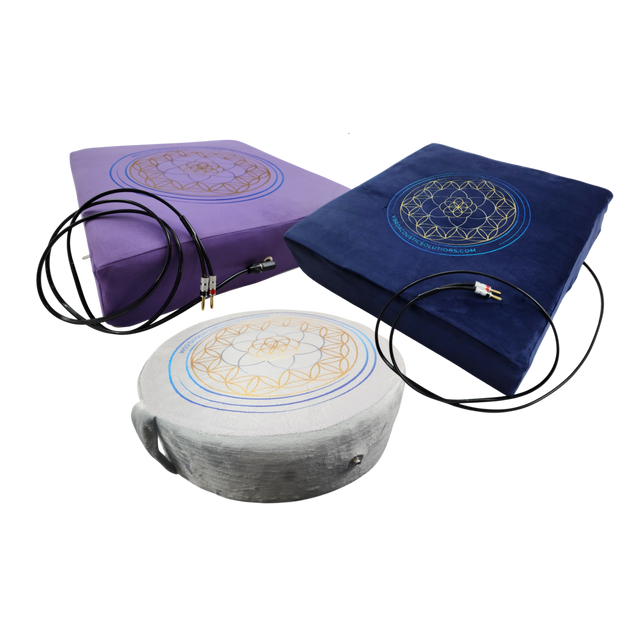
Start with the physical form. Some people want a complete bed. Others benefit more from a conversion kit, overlay, or cushion-based system that can turn furniture they already own into a vibroacoustic setup. That flexibility can make the technology far more accessible without reducing the therapeutic value.
Next, consider the actual vibration experience. Is it evenly distributed or concentrated in a few spots? Does the system feel controlled and intentional, or simply buzzy? A good sound therapy bed should deliver low frequencies in a way that feels supportive, not jarring.
Programming matters too. The strongest systems allow for a range of uses, from calming sessions and sleep preparation to more activating or body-awareness-focused work. If you are a practitioner, that adaptability is especially important because different clients need different inputs. One person may benefit from deep grounding. Another may need very gentle exposure to vibration before full sessions feel tolerable.
How practitioners use a sound therapy bed
In a professional setting, a sound therapy bed is often most effective when integrated into a broader therapeutic process. Massage therapists may use it before bodywork to reduce guarding. Somatic practitioners may use it to help clients establish internal awareness. Recovery-focused clinics may position it as a stand-alone regulation session or as part of a multisession care plan.
The format also supports session efficiency. Clients often arrive dysregulated, distracted, or physically defended. A well-designed vibroacoustic session can help shift that state before the hands-on or verbal work even begins. That can improve treatment receptivity and make the overall experience feel more complete.
For practitioners who want clinical credibility without an inflated equipment budget, this is where companies like Vibroacoustic Solutions have helped move the category forward. The market no longer requires choosing between underpowered consumer products and expensive custom installations. There are now more realistic pathways to offering evidence-informed vibroacoustic care.
What to expect from your first sessions
The first thing many people notice is not dramatic relief but a change in body awareness. Breathing may deepen. Jaw tension may soften. Thoughts may slow down a little. Some users feel immediate calm, while others need several sessions before the body stops monitoring the experience and begins to trust it.
That is normal. Nervous systems are individual. The right frequency, volume, and session length can vary based on stress load, pain sensitivity, trauma history, and sensory preferences. More intensity is not always better. Often the most therapeutic approach is the one that feels safest and most sustainable.
If you are evaluating whether a sound therapy bed is worth it, the better question is not whether it feels impressive in the first five minutes. Ask whether it supports regulation in a way your body can actually use, whether at home or in practice. Technology matters, but the real measure is what happens when structured sound becomes a reliable part of healing, recovery, and nervous system care.
The best therapeutic tools do not force the body to change. They create conditions where change becomes easier.
Latest posts