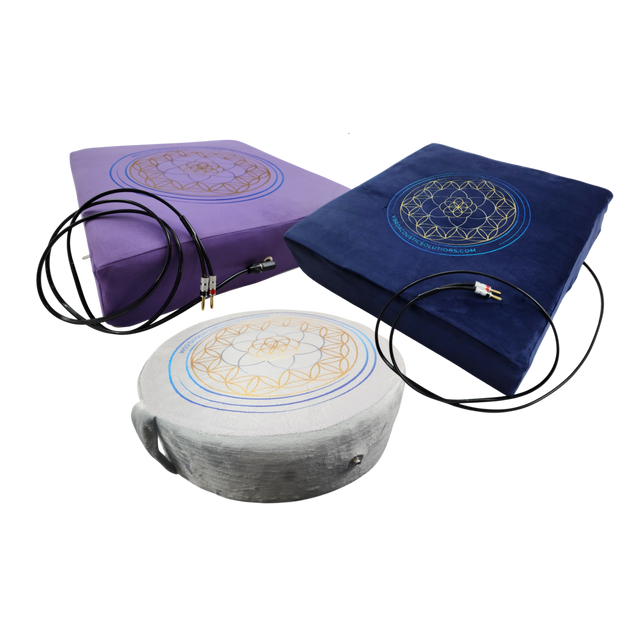
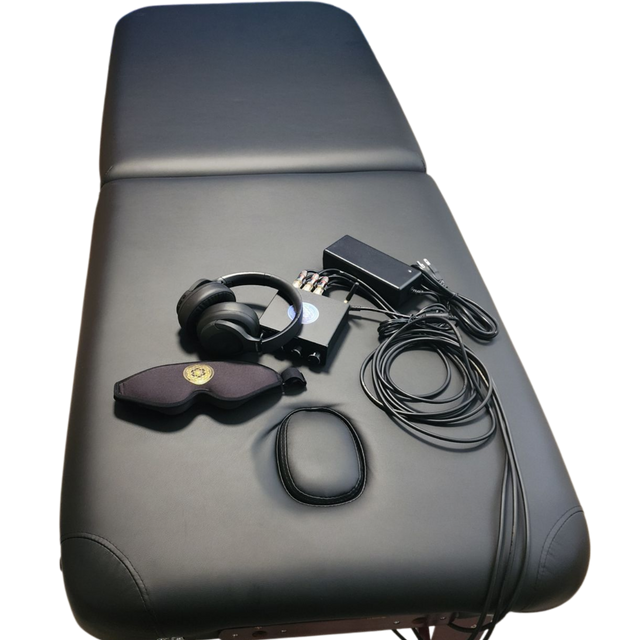
A cushion can feel relaxing on day one and disappointing by week two. The difference is usually not the fabric, the heat setting, or the remote. It is the quality of the vibration itself. When people search for the best vibration therapy cushions, they are often comparing features that look similar on the surface while missing the deeper issue - how the device delivers frequency into the body, and whether that input is calming, stimulating, or simply noisy.
Vibroacoustic therapy works through mechanical sound vibration transmitted into soft tissue. Instead of only hearing a tone through the ears, the body also feels low-frequency sound through contact points. In practical terms, that means the cushion matters because it acts as the delivery surface between the transducer and the nervous system. Frequency, waveform behavior, transducer power, and body positioning all shape the result.
What makes the best vibration therapy cushions different
The best vibration therapy cushions do more than buzz. A basic massage cushion may use rotating motors that create generalized surface movement. A true vibroacoustic cushion is designed to reproduce low-frequency sound with enough control that the body can receive rhythmic mechanical stimulation rather than random agitation.
That distinction matters for regulation. Frequencies in the lower bands, often around 20 Hz to 120 Hz, are commonly used in vibroacoustic applications because they can be felt deeply through the body. Many practitioners pay particular attention to ranges such as 30 Hz to 50 Hz for relaxation and muscle release, while mid-low bands around 40 Hz have also drawn interest in neurological and sensory research. Different protocols use different targets, but the physical principle stays the same - low-frequency vibration creates a form of cellular micro-massage that can influence muscle tone, circulation, body awareness, and autonomic settling.
The cushion also affects resonance. A thin, underpowered unit may lose energy before the vibration reaches the body in a meaningful way. A denser cushion with well-mounted transducers can transmit vibration more evenly into the back, hips, or legs. For home users, this often feels like the difference between a pleasant gadget and a system that truly supports decompression after stress, training, or a long workday. For practitioners, it can determine whether vibroacoustic input complements massage, breathwork, trauma-informed bodywork, or sensory regulation sessions.
How to judge the best vibration therapy cushions
If you are comparing models, start with the transducer system. Transducers convert audio or programmed frequency signals into physical vibration. Stronger, better-calibrated transducers usually produce cleaner low-end output and a more coherent body feel. This is especially important below 60 Hz, where many low-cost systems start to feel muddy or weak.
The second factor is frequency control. Some cushions only offer preset vibration modes with no real information about Hz range. Others are built for actual vibroacoustic use and let you run specific frequencies, musical tracks with embedded low-frequency content, or therapeutic programs. For buyers who care about somatic regulation, this is a major dividing line. A cushion that can deliver precise low-frequency stimulation is more useful than one that simply cycles through massage patterns.
Build quality matters just as much. Foam density, upholstery, body contouring, and transducer placement affect how evenly vibration spreads. If a cushion is too soft, it can absorb too much energy. If it is too rigid, the sensation may feel sharp and localized. The best designs create enough contact to let the body settle into the signal.
Noise level is another practical test. Mechanical noise from cheap motors can interfere with the calming effect. In clinical or home recovery settings, the goal is usually entrainment and regulation, not distraction. A quieter system allows the nervous system to orient toward the vibration itself, especially when paired with music, guided relaxation, or breath pacing.
7 types of vibration therapy cushions worth considering
1. Dedicated vibroacoustic cushions
If your goal is true sound-based therapy, this is the strongest category. These cushions are built around low-frequency transducers rather than standard massage motors. They are often compatible with audio-based frequency tracks and can be used on chairs, recliners, treatment tables, or the floor. For both practitioners and serious home users, this is usually where the best long-term value lives.
2. Practitioner-grade table or chair cushions
These are designed for clinics, bodyworkers, and integrative practices. They typically offer stronger output, more durable materials, and better compatibility with existing treatment furniture. If you want to integrate vibroacoustic therapy into massage, stretching, or restorative care, this format gives more flexibility than a consumer living-room model.
3. Full-back cushions for seated use
A seated full-back cushion can work well for office decompression, meditation chairs, and home recovery routines. The trade-off is body coverage. You may get effective stimulation through the spine and ribcage, but less contact through the legs and pelvis than a mat or bed-style system. That can still be enough for stress regulation if the transducers are well placed.
4. Seat-and-lumbar cushions for targeted support
These are best for people who want local vibration through the low back, sacrum, or hips while sitting. They can be helpful when long periods of sitting create stiffness or guarded muscle tension. They are less immersive than larger systems, but easier to move and store.
5. Portable floor cushions and mats
This category supports full-body rest without requiring dedicated furniture. When paired with low-frequency audio, a floor-based cushion can create broad contact through the posterior chain. Many users prefer this format for evening regulation, breath practice, or post-exercise recovery because the body can fully recline and receive more uniform vibration.
6. Hybrid massage-vibration cushions
These products combine massage rollers, heat, and vibration. For some users, that mix feels satisfying and convenient. The limitation is that the vibration component is often secondary and not frequency-specific. If you want a general relaxation tool, a hybrid can be enough. If you want vibroacoustic precision, it may fall short.
7. DIY-compatible conversion cushions
For buyers who already have a favorite recliner, massage table, or meditation seat, conversion-style cushions can be a smart option. They are especially useful when budget matters but performance still matters too. Brands such as Vibroacoustic Solutions have helped make this category more accessible by offering systems that bring clinical-grade principles into adaptable formats.
Which cushion is best for your goal
For stress and nervous system settling, choose a cushion that delivers smooth low-frequency output without excess mechanical noise. Many people respond well to slow, steady programs in the 30 Hz to 60 Hz range, especially when combined with calming music or guided breathwork. The sensation should feel grounding rather than jarring.
For muscle recovery and postural tension, stronger transducers and broader body contact usually help. A cushion that covers the back and hips will often feel more effective than a small seat-only unit. Vibration can support circulation and reduce the sense of muscular holding after exercise, manual work, or prolonged sitting.
For sensory support, consistency matters more than intensity. Clients with autism, ADHD, trauma-related tension, or general sensory overwhelm often benefit from predictable rhythmic input. In these cases, a cushion with stable frequencies, simple controls, and a comfortable surface is usually better than one with aggressive massage features.
For practitioners, the best choice depends on workflow. A table-mounted or chair-integrated cushion may be ideal if you want to layer vibroacoustic input into existing sessions without changing the entire room setup. A larger mat or bed-style system may be better if vibroacoustic therapy is becoming a central service offering.
Red flags to watch for when shopping
If a product does not tell you anything about frequency capability, transducer type, or how the vibration is generated, be cautious. Marketing language often uses words like therapeutic, sonic, or healing very loosely. A credible vibration therapy cushion should make it clear whether it is using low-frequency sound transducers or standard vibration motors.
It is also worth looking closely at power and body coverage. Tiny motors spread across a large cushion can create a scattered feeling rather than coherent stimulation. More is not always better. Placement, calibration, and contact quality matter more than a long feature list.
Finally, pay attention to intended use. A cushion designed for occasional comfort in a car seat is not built the same way as one designed for repeated therapeutic sessions. If your goal is regular nervous system regulation or professional use, durability and signal quality should lead the decision.
Why the best vibration therapy cushions are worth choosing carefully
Low-frequency vibration is not just a comfort feature. It is a physical input that the body organizes around. When delivered well, it can support rest, body awareness, and recovery in a way that feels immediate and tangible. When delivered poorly, it becomes background noise.
That is why the best cushion is rarely the one with the most modes. It is the one that respects the science of somatic regulation, delivers clean vibration through the body, and fits how you actually plan to use it. Choose the cushion that matches your nervous system goals, your space, and your level of practice, and it is far more likely to become part of your real care routine instead of another device in the closet.
Latest posts


What the Future of Nervous System Technology Holds
Read article