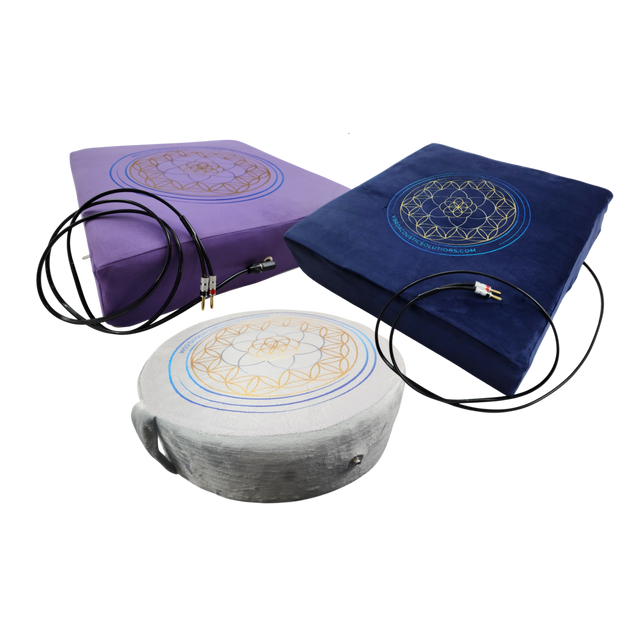
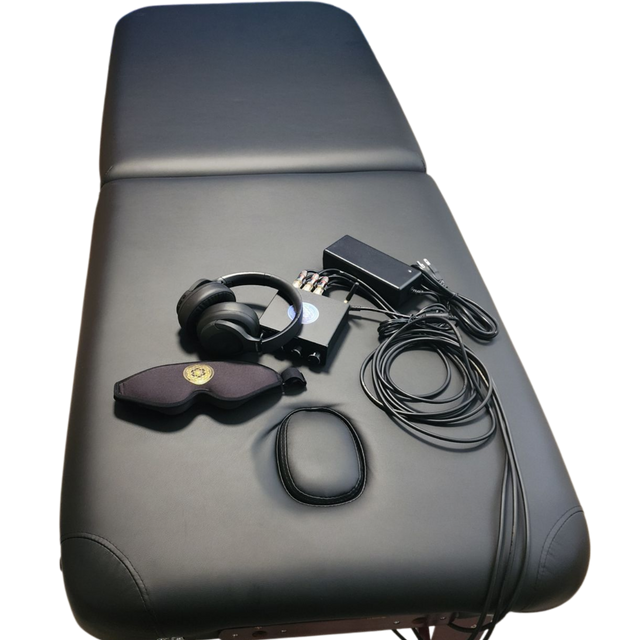
Łóżko wibroakustyczne, które działa uspokajająco, stabilizująco i jest terapeutycznie użyteczne, to nie tylko głośnik pod materacem. Różnica między gadżetem a wiarygodną klinicznie konfiguracją polega na sposobie jego budowy, strojenia oraz na tym, jak dobrze wibracje mogą przemieszczać się przez ciało, nie stając się rozpraszającymi, hałaśliwymi lub nierównymi. Jeśli badasz, jak zbudować łóżko wibroakustyczne do użytku domowego lub do praktyki zawodowej, celem nie jest maksymalny huk. Celem jest kontrolowana, niskoczęstotliwościowa stymulacja, która wspiera regulację układu nerwowego, relaksację i integrację sensoryczną całego ciała.
To natychmiast zmienia wybory projektowe. Dobre łóżko wibroakustyczne musi jednocześnie zarządzać trzema rzeczami: wibracjami mechanicznymi, jakością sygnału audio i komfortem. Jeśli jeden z tych elementów jest niedopracowany, system zazwyczaj wydaje się zbyt słaby, zbyt ostry lub po prostu niespójny w zależności od pozycji ciała.
Co faktycznie musi robić łóżko wibroakustyczne
W swej istocie, łóżko wibroakustyczne przekształca sygnał audio w dotykową, niskoczęstotliwościową wibrację, która przenosi się przez powierzchnię do ciała. W warunkach terapeutycznych, to dotykowe wejście jest często łączone z muzyką, tonami sinusoidalnymi lub specjalnie zaprojektowanymi programami dźwiękowymi mającymi na celu wspieranie relaksacji, zarządzania bólem, regulacji sensorycznej lub rekonwalescencji.
Oznacza to, że powierzchnia łóżka jest równie ważna, jak elektronika. Gruby materac z warstwą poduszkową może pochłaniać zbyt wiele wibracji. Sztywna platforma może dobrze przenosić wibracje, ale być niewygodna podczas całej sesji. Większość udanych konstrukcji plasuje się gdzieś pośrodku – wystarczająco wspierająca, aby przenosić niskie częstotliwości, i wystarczająco amortyzująca, aby ciało mogło się ułożyć.
Najczęstszym błędem jest budowanie pod kątem głośności, a nie transmisji. Nie potrzebujesz systemu, który trzęsie całym pomieszczeniem. Potrzebujesz takiego, który dostarcza częstotliwości przez powierzchnię zabiegową w stabilny, skoncentrowany na ciele sposób.
Jak zbudować łóżko wibroakustyczne bez marnowania pieniędzy
Najprostszym sposobem jest rozpoczęcie od istniejącej platformy i jej przerobienie, zamiast budowania mebli od podstaw. Stół do masażu, drewniana leżanka, stół terapeutyczny lub niska rama łóżka – wszystkie te rozwiązania mogą działać, jeśli konstrukcja jest solidna, a powierzchnia styku nie jest nadmiernie tłumiona.
Potrzebujesz pięciu kluczowych elementów: stabilnej ramy lub platformy, przetworników dotykowych lub wzbudników, wzmacniacza, źródła dźwięku oraz warstwy powierzchniowej, która równoważy komfort z przenoszeniem wibracji. W niektórych konstrukcjach możesz również chcieć użyć nóżek izolacyjnych lub podkładek pod ramę, aby zapobiec utracie energii w podłogę.
Zacznij od ramy
Ramy drewniane są często łatwiejsze w obróbce niż metalowe, ponieważ umożliwiają czystszy montaż i zazwyczaj wytwarzają mniej dzwonienia. Powierzchnie z płyty sklejkowej są szczególnie popularne, ponieważ przewidywalnie rozprowadzają wibracje. Jeśli platforma jest zbyt elastyczna, wibracje mogą wydawać się nierówne. Jeśli jest zbyt gruba i przewymiarowana, niektóre przetworniki mogą mieć trudności z efektywnym poruszaniem powierzchnią.
Dla konstrukcji domowej, płaska drewniana platforma o umiarkowanej sztywności konstrukcyjnej jest często idealna. Dla praktyków, przerobiony stół zabiegowy może mieć więcej sensu, ponieważ pasuje do istniejącego schematu pracy i układu pomieszczenia. Kompromisem jest to, że stoły zabiegowe znacznie różnią się pod względem zdolności przenoszenia niskich częstotliwości.
Wybierz odpowiednie przetworniki
To jest moment, w którym wiele projektów DIY idzie w niewłaściwym kierunku. Standardowe głośniki są przeznaczone do poruszania powietrzem. Systemy wibroakustyczne opierają się na przetwornikach dotykowych, wibratorach basowych lub wzbudnikach powierzchniowych, które poruszają samą strukturę. To zupełnie inne zadanie.
Pojedynczy przetwornik zamontowany centralnie na dużym łóżku zazwyczaj tworzy punkt gorący. Wiele przetworników rozmieszczonych wzdłuż linii ciała zwykle zapewnia bardziej terapeutyczne wrażenia, zwłaszcza jeśli chcesz stymulować górną część pleców, odcinek lędźwiowy, biodra i nogi. Cztery jednostki to praktyczny punkt wyjścia dla pełnowymiarowej konstrukcji, chociaż mniejsze systemy mogą działać z dwoma, jeśli oczekiwania są realistyczne.
Liczy się umiejscowienie. Jeśli jednostki są zbyt blisko siebie, odczucie może być zamazane. Jeśli są zbyt daleko, ciało może odczuwać tylko izolowane strefy stymulacji. Użytecznym wzorcem pracy jest umieszczenie ich w linii lub zrównoważonej siatce, która odpowiada typowym punktom kontaktu z ciałem.
Dopasuj wzmacniacz do obciążenia
Twój wzmacniacz musi być dopasowany do impedancji i mocy przetworników. Zbyt mała moc w systemie często skutkuje słabym, rozczarowującym dźwiękiem. Przeciążenie zwiększa ryzyko zniekształceń, naprężeń mechanicznych i skrócenia żywotności komponentów.
Czysty wzmacniacz z możliwością pracy w niskich częstotliwościach jest ważniejszy niż deklarowana moc. W konstrukcjach terapeutycznych klarowność i kontrola zazwyczaj przewyższają brutalną siłę. Chodzi o stabilne odtwarzanie w zakresie niskich częstotliwości, a nie przesadzony bas, który zamienia każdą sesję w demonstrację wibracji.
Jeśli budujesz do użytku profesjonalnego, dedykowany wzmacniacz z niezawodnym zabezpieczeniem termicznym i przewidywalną mocą wyjściową jest wart dodatkowych kosztów. Niezawodność ma znaczenie, gdy klienci leżą na stole.
Design powierzchni – gdzie komfort łączy się z sygnałem
Po zamontowaniu sprzętu, górna warstwa decyduje o tym, jak ciało faktycznie odbiera doświadczenie. Dlatego dwa systemy z podobną elektroniką mogą odczuwać się zupełnie inaczej.
Bardzo gruby materac może tłumić wibracje, zwłaszcza u lżejszych użytkowników. Bardzo cienka podkładka może być intensywna i zbyt mechaniczna. W większości przypadków gęsta warstwa pianki lub wyściółka terapeutyczna daje lepsze rezultaty niż miękkie posłanie. Pozwala to na utrzymanie niskich częstotliwości przy jednoczesnym zachowaniu komfortu punktów nacisku.
Jeśli uczysz się, jak zbudować łóżko wibroakustyczne dla klientów z traumą lub wrażliwych sensorycznie, ta część zasługuje na szczególną uwagę. Silna intensywność dotykowa nie zawsze jest lepsza. Wielu użytkowników najlepiej reaguje na stabilne, otulające pole wibracyjne, a nie na ostre lub zlokalizowane bodźce.
Okablowanie i przepływ sygnału powinny być proste
Podstawowy tor sygnałowy jest prosty: źródło audio do wzmacniacza, wzmacniacz do przetworników. Co komplikuje sprawę, to wybór treści i kontrola częstotliwości.
Nie każdy utwór muzyczny dobrze sprawdza się w terapii wibroakustycznej. Niektóre nagrania mają bardzo mało użytecznej treści niskoczęstotliwościowej, podczas gdy inne tworzą nagłe skoki intensywności. Programy terapeutyczne często wykorzystują utrzymywane tony, starannie skomponowaną muzykę lub warstwowanie specyficzne dla częstotliwości, aby zapewnić płynne i celowe doświadczenie dotykowe.
Jeśli to możliwe, używaj materiału źródłowego zaprojektowanego z myślą o translacji niskich częstotliwości. Daje to bardziej przewidywalne wyniki sesji niż próba przepuszczenia zwykłej playlisty przez system.
Zarządzanie kablami ma również większe znaczenie, niż ludzie oczekują. Luźne okablowanie może grzechotać o ramę i generować mechaniczny hałas, który jest mylony ze zniekształceniami przetworników. Zabezpiecz każdy kabel i przetestuj system przy niskiej i umiarkowanej mocy wyjściowej przed ostatecznym montażem.
Bezpieczeństwo i realizm terapeutyczny
Łóżko wibroakustyczne nie jest skomplikowane w taki sam sposób, jak sprzęt do obrazowania medycznego, ale nadal wymaga starannego wykonania. Wibracje mechaniczne bezpośrednio wpływają na ciało. Oznacza to, że integralność montażu, bezpieczeństwo elektryczne i odpowiedzialne poziomy intensywności mają znaczenie.
Zacznij od niskich ustawień. Stopniowo testuj częstotliwości. Zwróć uwagę, czy system wytwarza płynne odczucia w całym ciele, czy też ostre brzęczenie w izolowanych obszarach. Szorstkość zazwyczaj oznacza słaby montaż, słabe sprzężenie powierzchniowe lub treści, które nie są odpowiednie do odtwarzania dotykowego.
Warto również jasno określić zakres. Konstrukcja DIY może być doskonała do relaksacji, wsparcia sensorycznego i wstępnej pracy wibroakustycznej. Ale jeśli chcesz uzyskać powtarzalną wydajność klasy klinicznej, zintegrowane sterowanie i bardziej wyrafinowany tor sygnału terapeutycznego, specjalnie zbudowane systemy i zestawy do konwersji mogą zaoszczędzić wiele prób i błędów. Dotyczy to zwłaszcza praktyków, którzy potrzebują spójności w sesjach i u klientów.
Typowe problemy po jego zbudowaniu
Jeśli łóżko wydaje się słabe, problem często leży w zbyt dużej ilości amortyzacji między przetwornikami a ciałem, a niekoniecznie w braku mocy wzmacniacza. Jeśli jest hałaśliwe, sprawdź luźne elementy, rezonans ramy lub wibracje okablowania, zanim założysz, że przetworniki są wadliwe.
Jeśli tylko jedna część ciała odczuwa efekt, ponownie sprawdź rozmieszczenie przetworników. Jeśli doświadczenie jest męczące po kilku minutach, moc wyjściowa może być zbyt silna w niewłaściwym zakresie częstotliwości, lub powierzchnia styku może być zbyt twarda. Terapia wibroakustyczna powinna być regulująca, a nie agresywna.
To właśnie tutaj pomaga naukowe podejście. Zamiast pytać: „Jak sprawić, by było silniejsze?”, zapytaj: „Jak sprawić, by było bardziej równomierne, bardziej komfortowe i bardziej użyteczne terapeutycznie?”.
Kiedy konstrukcja DIY ma sens, a kiedy nie
Zbudowanie własnego systemu ma sens, jeśli masz doświadczenie ze sprzętem audio, posiadasz już odpowiednią ramę i szukasz ekonomicznego sposobu na poznanie terapii opartej na dźwięku. Ma to również sens, jeśli potrzebujesz niestandardowego rozmiaru, na przykład integrując wibroakustykę z istniejącym stołem zabiegowym lub aranżacją pomieszczenia wellness.
Ma to mniejszy sens, gdy czas, spójność i wsparcie są ważniejsze niż eksperymentowanie. Praktycy często nie doceniają, ile testów wymaga rozmieszczenie przetworników, pasmo przenoszenia i strojenie powierzchni. Użytkownicy domowi mogą również wydać więcej, niż oczekiwano, wymieniając części, które nigdy nie były idealne do użytku terapeutycznego.
Dlatego wiele osób zaczyna od podejścia zorientowanego na konwersję, zamiast od w pełni improwizowanej konstrukcji. Marki takie jak Vibroacoustic Solutions pomogły uczynić ten kompromis bardziej realistycznym, oferując komponenty i wskazówki edukacyjne, które wypełniają lukę między przystępnością DIY a profesjonalnym myśleniem projektowym.
Dobrze zbudowane łóżko wibroakustyczne powinno sprawiać, że ciało w końcu może przestać się napinać. Jeśli Twoje wybory projektowe wspierają ten cel, budujesz we właściwym kierunku.
Najnowsze posty


Vibration Therapy Versus Massage for Recovery
Read article