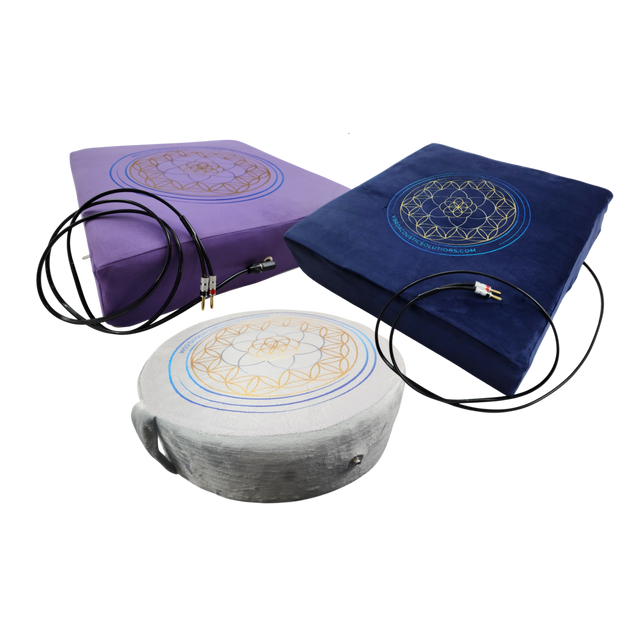
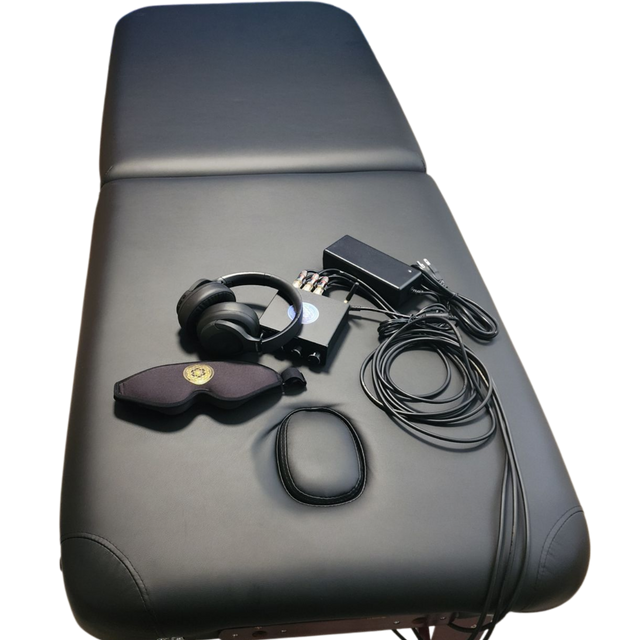
A standard massage table supports the body. A sound table is designed to do more: deliver low-frequency vibration through the body while music or therapeutic tones are playing, creating a direct sensory experience that can influence relaxation, tension, pain perception, and nervous system regulation.
That difference matters. For people dealing with chronic stress, poor sleep, sensory overload, trauma-related tension, or physical recovery needs, vibroacoustic therapy is not just about hearing sound. It is about feeling sound in a controlled, therapeutic way. In clinical and wellness settings, that felt component is often what makes the intervention more grounding, more effective, and more memorable.
What a sound table actually is
A sound table is a treatment surface fitted with transducers or vibroacoustic speakers that convert audio frequencies into mechanical vibration. Instead of sending sound only through the air, the table sends selected frequencies through the body by direct contact.
In practical terms, the user lies on the table while specially designed audio tracks play through the system. The person hears the music or tones, but they also feel synchronized vibration across the back, torso, legs, or full body, depending on the system design. This dual-input experience is what separates a sound table from ordinary massage equipment, meditation music, or a traditional speaker setup.
Some sound tables are purpose-built from the ground up. Others are created by converting an existing massage table or treatment surface with a vibroacoustic attachment kit. For many practitioners, that distinction is important. A full table system may offer a more integrated setup, while a conversion kit can make clinical-grade vibroacoustic therapy more accessible without requiring a full room redesign.
How a sound table works in the body
The therapeutic principle behind a sound table is vibroacoustic stimulation. Low-frequency sound waves, often delivered in carefully selected ranges, create gentle rhythmic vibration in the tissues. Depending on the program, this may help reduce sympathetic arousal, encourage muscular release, and support a shift toward parasympathetic regulation.
That sounds technical, but the lived experience is simple. Many users describe it as a full-body exhale. The body receives repetitive, predictable sensory input, which can be especially useful when someone feels wired, guarded, overstimulated, or physically tense.
Sound, vibration, and somatic regulation
The nervous system responds strongly to rhythm and predictability. When vibration is delivered in a stable, therapeutic way, it may support downregulation by giving the brain and body a consistent sensory pattern to organize around. This is one reason vibroacoustic therapy is often discussed in the context of stress recovery, sleep support, trauma-informed care, and sensory regulation.
There is also a mechanical side to the experience. Low-frequency vibration can create a subtle micro-massage effect in soft tissue. That does not replace hands-on therapy, rehabilitation, or medical care, but it can complement them. For some people, this contributes to reduced guarding, improved body awareness, and a greater sense of ease during treatment.
Why low frequencies matter
Not every sound frequency feels the same in the body. Higher frequencies are primarily perceived through hearing. Lower frequencies are more likely to be felt through tissue conduction, especially when the body is in direct contact with a transducer-equipped surface.
This is why a sound table used for therapy is not just a speaker hidden under furniture. Therapeutic systems are designed around the physics of vibration transfer, body contact, and frequency response. The goal is not simply more bass. The goal is controlled, meaningful stimulation that supports a clinical or wellness outcome.
Who uses a sound table
A sound table can fit a surprisingly wide range of use cases, but the reason someone chooses one usually falls into one of two categories: professional application or personal symptom support.
In a practice setting, massage therapists, somatic practitioners, sound therapists, chiropractors, wellness clinics, and integrative providers often use a sound table to deepen relaxation and improve the client experience. It can help prepare the body for manual work, support post-session integration, or serve as a stand-alone nervous system regulation session.
For home users, the appeal is often more immediate. They want non-invasive support for stress, insomnia, chronic tension, recovery after exertion, or sensory overwhelm. A well-designed sound table can offer a structured way to settle the body without requiring advanced technical knowledge.
Common goals for sound table sessions
The most common goals include stress relief, sleep support, muscle relaxation, recovery, sensory soothing, and emotional regulation. Some users also explore vibroacoustic therapy as part of a broader plan for chronic pain management or support for autism, ADHD, or trauma-related dysregulation.
That said, results are not identical for everyone. Frequency preference, body sensitivity, health history, and session structure all affect the experience. Some people respond best to short, low-intensity sessions. Others prefer longer sessions with more immersive music and stronger tactile output.
Sound table vs massage table
This is where confusion often happens. A massage table is passive unless a practitioner is actively working on the client. A sound table adds an active therapeutic input through vibration and sound.
That does not automatically make it better. It makes it different. For clinics focused on manual therapy, bodywork skill still drives the treatment outcome. But adding vibroacoustic stimulation can extend what the table itself contributes to the session, especially when the goal includes relaxation, autonomic regulation, or sensory grounding.
For practitioners who already own treatment tables, conversion systems can be the most practical path. They preserve existing workflow while adding a new modality. For new facilities or specialty studios, a dedicated sound table may make more sense if vibroacoustic therapy will be central to the offering.
What to look for in a therapeutic sound table
If the goal is true therapeutic value, the quality of the system matters. The most important factors are vibration consistency, frequency accuracy, body contact, ease of use, and program design. Good equipment should produce stable, repeatable output that feels intentional rather than gimmicky.
It also helps to think about the setting. In a clinic, durability, sanitation, and session efficiency are major considerations. At home, comfort, noise level, footprint, and setup simplicity often matter more. The right sound table is the one that fits the user, the space, and the therapeutic goal.
Audio content is another major variable. A high-quality table paired with poorly designed tracks will not deliver the same outcome as a thoughtfully programmed system. The relationship between frequency, rhythm, pacing, and user state is where much of the therapeutic value lives.
When a sound table makes the most sense
A sound table is especially useful when the body needs help shifting states. That could mean calming a hyperaroused nervous system, softening muscular guarding before manual therapy, improving the felt sense of safety during somatic work, or creating a repeatable recovery routine at home.
It may be less useful if someone expects it to act like a cure-all. Vibroacoustic therapy works best when it is matched to a clear purpose and realistic expectations. For some people it becomes a primary regulation tool. For others it is one effective piece of a larger care plan that may include counseling, bodywork, sleep hygiene, movement, or medical treatment.
This is part of what makes the modality credible. Serious therapeutic technology should allow for nuance. A sound table can be powerful, but its value comes from proper application, not exaggerated claims.
The bigger shift behind sound table technology
Interest in the sound table category is growing because more people are looking for evidence-based, body-centered approaches to health. They want tools that support regulation, recovery, and resilience without feeling invasive or inaccessible. Practitioners want methods that are grounded in physiology, not vague wellness language.
That is where vibroacoustic systems stand out. They translate the science of sound and somatic regulation into something people can actually feel. Whether used in a treatment room or a home wellness routine, a sound table offers a direct, embodied way to work with stress, tension, and nervous system load.
For anyone exploring this technology, the best question is not whether sound is powerful. It is whether the system is built to deliver that power in a way the body can use safely, consistently, and therapeutically.
Latest posts