The price gap in this category can be startling. One vibroacoustic setup looks like a serious therapeutic tool, another looks similar on the surface, yet the cost difference can run from a few hundred dollars to several thousand. If you are searching for affordable vibroacoustic therapy equipment, the real question is not just how to spend less. It is how to get meaningful therapeutic output, reliable frequency delivery, and a system you will actually use.
Vibroacoustic therapy is not simply audio played through furniture. It is the controlled delivery of low-frequency sound vibration into the body to support relaxation, somatic regulation, pain relief, recovery, and sensory integration. When designed well, the equipment helps translate sound into tactile stimulation that the nervous system can register clearly and safely. That is why affordability matters, but design quality matters just as much.
What affordable vibroacoustic therapy equipment should actually deliver
A lower price point should not mean vague wellness claims and weak performance. Good entry-level or mid-range systems still need to do a few things well. They should transmit low frequencies evenly, feel stable during sessions, and support repeatable use without constant adjustment. If the vibration is inconsistent, overly noisy, or concentrated in one uncomfortable spot, the therapeutic value drops fast.
For home users, the goal is usually regulation and consistency. Someone managing stress, sleep disruption, trauma-related muscle guarding, or chronic tension does not need a massive clinical bed to benefit. A cushion, mat, recliner insert, or conversion kit may provide enough contact with the body to support regular sessions. The key is whether the system delivers frequencies with enough depth and clarity to create a calming, grounded sensory experience.
For practitioners, the standard is a bit higher. A massage therapist, somatic practitioner, or integrative clinic needs equipment that works across different body types, treatment goals, and scheduling demands. In that setting, affordability often means choosing modular equipment that upgrades an existing table or treatment area instead of replacing the whole room.
The most cost-effective types of affordable vibroacoustic therapy equipment
Not every buyer needs a dedicated vibroacoustic bed. In fact, that is often the most expensive route and not always the smartest first step.
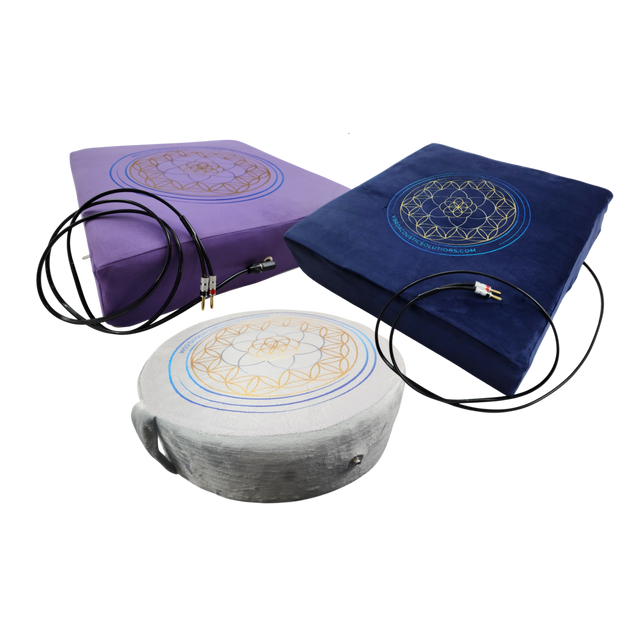
Cushions and mats
These tend to be the most accessible entry point. They work well for people who want support while lying in bed, resting on a couch, meditating, or doing short regulation sessions at home. They can also make sense in professional spaces that want a portable option for chair-based treatments or relaxation corners.
The trade-off is contact area. A compact cushion can be effective, but it will not surround the body the way a larger table-based system can. For users focused on localized support, such as back tension or calming the body before sleep, that may be enough. For full-body therapeutic immersion, it may feel limited.
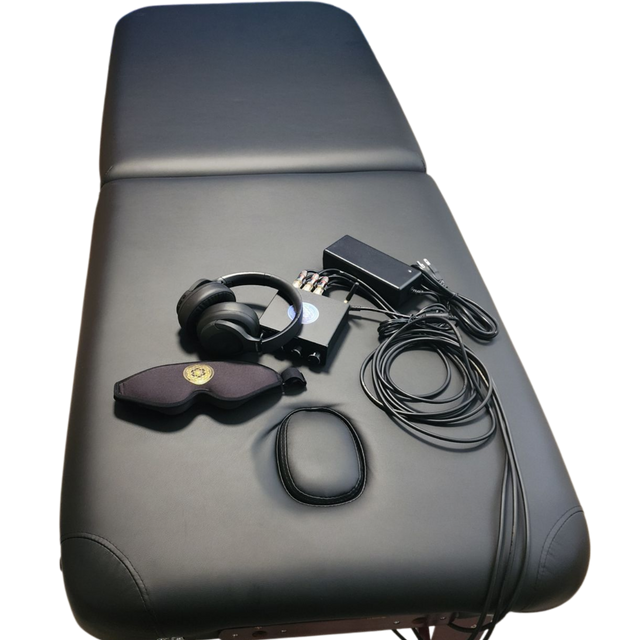
Massage table attachment kits
For many practitioners, this is where value becomes obvious. Instead of buying a dedicated vibroacoustic table, you can retrofit an existing massage table with transducers and a compatible sound delivery system. That can dramatically lower startup cost while preserving a professional treatment environment.
The main variable is installation quality. A poorly matched kit can create uneven vibration or interfere with normal bodywork positioning. A well-designed one adds vibroacoustic therapy without forcing you to rebuild your practice around a new piece of furniture.
DIY conversion kits
DIY does not have to mean improvised. Some conversion systems are intentionally built for users who already have a treatment table, recliner, zero-gravity chair, or platform bed and want to transform it into a therapeutic surface. This can be one of the best ways to access clinical-grade effects at a more manageable cost.
Still, DIY is best for buyers who are comfortable following setup instructions and understanding basic placement. If ease and plug-and-play simplicity matter more than customization, a ready-built solution may be worth the extra investment.
Dedicated beds and professional systems
These usually cost more, but sometimes they are the right long-term value. A clinic offering high session volume, multisensory treatments, or premium recovery services may save money over time by investing in a purpose-built system from the start. The body support, vibration distribution, and client experience are often stronger.
Affordable does not always mean cheapest. Sometimes it means buying the system that avoids replacement, frustration, and underuse.
How to evaluate affordable vibroacoustic therapy equipment without getting distracted
The category has a marketing problem. Many products borrow the language of sound healing, biohacking, massage, or music therapy without clearly explaining the hardware. If you want real therapeutic use, focus on function before aesthetics.
Start with the vibration mechanism. Ask whether the system uses transducers designed to convert audio frequencies into physical vibration efficiently. This matters because the therapeutic experience depends on tactile accuracy, not just music playback.
Then consider surface compatibility. A well-engineered cushion or kit should be matched to the type of furniture or table it is meant to power. Too much padding can dampen the vibration. Too little structural support can make the session feel harsh instead of regulating.
Frequency range also matters, especially if the system is intended for nervous system support, muscle relaxation, and full-body resonance. You do not need to become an acoustics expert, but you do want equipment built for low-frequency therapeutic application rather than generic bass output.
Finally, think about usability. If setup takes too long, if controls are confusing, or if the equipment cannot fit naturally into your routine or practice flow, even a technically good product may sit unused. Therapeutic technology only helps when it becomes part of consistent care.
Affordable vibroacoustic therapy equipment for home use versus clinical use
Home buyers often benefit most from simplicity. If your main goals are better sleep, lower stress, recovery after workouts, or support for sensory overwhelm, a smaller system may be the right place to begin. Many people do better with a device they can use four times a week in a familiar space than with an expensive setup that feels intimidating.
Clinical buyers need to think in terms of durability, adaptability, and client perception. A system used in practice should feel professional, repeatable, and safe for a range of needs. That may include clients with chronic pain, trauma-related dysregulation, autism, ADHD, or high stress load. In those cases, consistency matters more than flashy features.
This is where a science-centered brand approach becomes useful. Equipment should be presented as a somatic regulation tool with clear therapeutic intent, not as a novelty sensory product. That distinction affects how clients engage with the experience and how confidently practitioners can integrate it into treatment plans.
Where people overspend and where they should not cut corners
A common mistake is paying extra for cosmetic design while ignoring the internal components that create the actual therapeutic effect. Elegant upholstery, app extras, or luxury framing may be nice, but they are secondary if the transducers and sound delivery are mediocre.
The opposite mistake is cutting cost so aggressively that the system loses therapeutic credibility. Weak vibration output, poor build quality, and unreliable electronics quickly turn affordable equipment into wasted money. This is especially true in professional settings, where downtime or underperformance affects client trust.
It usually makes sense to spend on core hardware, stable construction, and a format that fits your actual use case. It may be perfectly reasonable to save on size, portability, or furniture finish if those details do not affect treatment outcomes.
A smart buying framework for affordable vibroacoustic therapy equipment
Think in three layers: therapeutic goal, physical setup, and usage frequency. If your goal is nightly nervous system downshifting, you probably do not need a clinic-scale installation. If your goal is to offer vibroacoustic sessions as a billable service, a basic consumer cushion may not hold up.
Then look at the space you already have. Existing massage tables, treatment chairs, and home furniture can often become part of the solution. This is one reason conversion kits and modular systems have become so appealing. They lower the barrier to entry without treating affordability like a compromise in care.
Last, be honest about consistency. The best system is one that supports regular therapeutic sessions, whether that means ten minutes before bed or structured client appointments throughout the week. A product that fits your workflow, body, and environment will usually outperform a more expensive one that feels difficult to use.
For many buyers, the strongest value is found in equipment that bridges consumer accessibility and clinical-grade intent. That middle ground is where this category becomes most exciting. It opens the door to evidence-based somatic support without making vibroacoustic therapy feel financially out of reach.
As the field grows, affordable options are getting better, not just cheaper. That is good news for clinicians building modern treatment spaces and for home users who want a serious, body-based tool for recovery and regulation. If the equipment is thoughtfully built, affordability is not a downgrade. It is what makes consistent healing possible.
Latest posts


Sound Vibration Therapy Guide for Better Regulation
Read article