A restless night is rarely just a nighttime problem. It can show up the next day as a tight jaw, elevated stress, reduced pain tolerance, mental fog, and a nervous system that never quite settles. The best sleep recovery technology options do more than collect sleep scores. They help create the physiological conditions that support a safer, quieter transition into rest.
For home users and practitioners alike, the right choice depends on the pattern underneath the poor sleep. Is the issue an overactivated nervous system, physical discomfort, an inconsistent schedule, a bedroom environment that works against circadian rhythm, or uncertainty about what is happening overnight? Each technology addresses a different part of the recovery equation.
What Sleep Recovery Technology Should Actually Do
Sleep is an active recovery state. Across the night, the body cycles through lighter sleep, deep slow-wave sleep, and REM sleep while regulating autonomic activity, tissue repair processes, memory consolidation, and immune signaling. Technology cannot force these processes. It can, however, reduce the sensory, physiological, and behavioral barriers that make them harder to access.
The most useful tools tend to work through one or more physical mechanisms: light exposure that helps set circadian timing, temperature changes that support the body's natural drop in core temperature, sound and vibration that influence sensory processing, or measurement that reveals repeatable patterns. The distinction matters. A device with a detailed dashboard may be valuable for awareness, while a therapeutic system that delivers low-frequency vibration may be better suited to helping the body downshift before bed.
Best Sleep Recovery Technology Options by Need
Vibroacoustic therapy systems for nervous system settling
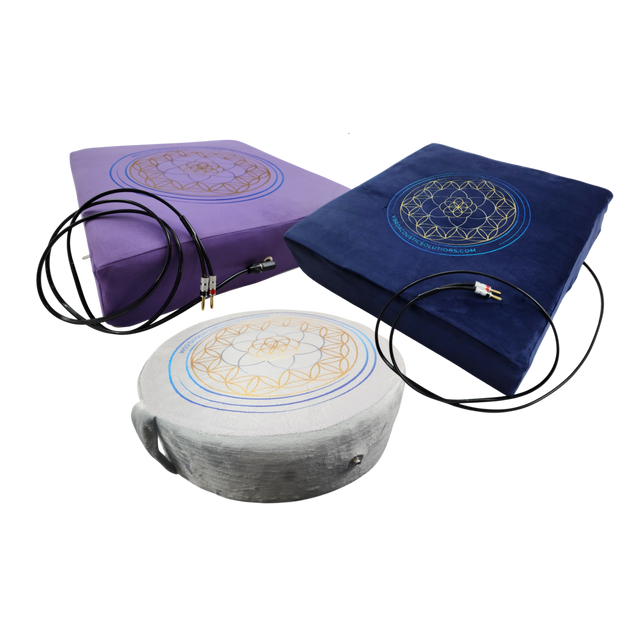
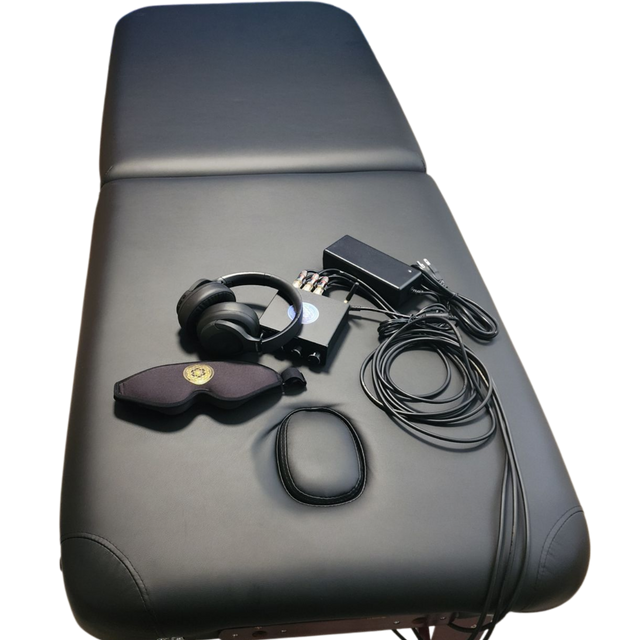
Vibroacoustic therapy uses low-frequency sound, typically delivered through transducers in a bed, mat, cushion, or treatment table attachment. Instead of only hearing sound through the ears, the body receives mechanical vibration through contact points. Those vibrations travel through soft tissue and are perceived through skin, muscle, and the vestibular and somatosensory systems.
For sleep preparation, frequencies in the approximate 20 to 80 Hz range are often used because they can be felt as slow, grounding pulses rather than sharp or stimulating sound. Lower frequencies may create a sense of weight, containment, and gentle rhythmic movement. This mechanical input can support somatic regulation by giving the nervous system a predictable sensory signal to orient around.
Research into vibroacoustic therapy has explored its relationship with relaxation, pain perception, stress, and quality of life. Small clinical and therapeutic studies have reported improvements in relaxation and subjective well-being, while the broader field continues to examine how low-frequency vibration interacts with autonomic regulation. For people whose sleeplessness is closely tied to muscular guarding, stress activation, sensory overload, or difficulty feeling settled in the body, this is a meaningful distinction from passive audio alone.
A 20- to 30-minute session before bed can become a reliable transition ritual. A low-volume soundtrack paired with frequencies that are comfortably perceptible, never overwhelming, can help signal that active demands are ending. In a clinic, practitioners may use vibroacoustic sessions to deepen the settling phase of massage, somatic work, or recovery-focused care. Vibroacoustic Solutions offers systems ranging from cushions and conversion kits to full beds, allowing the format to match the available space and therapeutic setting.
Wearable sleep trackers for pattern recognition
Wearables estimate sleep through movement, heart rate, heart rate variability, skin temperature, and sometimes blood oxygen trends. Their central value is not diagnostic certainty. It is pattern recognition over time.
A tracker can help someone notice that bedtime alcohol, late meals, intense evening exercise, a warm room, or an inconsistent wake time repeatedly coincides with more fragmented sleep. Many devices also estimate resting heart rate and overnight heart rate variability. While those metrics vary widely by individual, changes from a person's baseline can offer useful context about recovery load.
The trade-off is that data can become another source of performance pressure. Some people begin chasing a score, checking it first thing in the morning, and feeling anxious when a device labels a night as poor despite feeling reasonably restored. If that happens, reduce the frequency of review and focus on weekly trends rather than nightly judgments.
Temperature-regulating sleep systems for heat-related waking
The body naturally releases heat as it prepares for sleep, and a cooler thermal environment often supports that process. Mattress cooling systems, temperature-regulating pads, and breathable bedding technologies work by moving air or water to reduce heat buildup around the body.
These options are especially practical for people who wake overheated, share a bed with someone who prefers a different temperature, or experience sleep disruption during periods of hormonal change. The mechanism is direct: less heat retention can reduce one common trigger for nighttime wakefulness.
Temperature systems are not usually the first choice for a person whose main challenge is racing thoughts or trauma-related tension. But when overheating is the recurring pattern, they can make a noticeable difference without requiring a major change to the bedtime routine.
Light therapy for circadian timing
Morning light is one of the strongest signals for setting the circadian clock. Bright-light devices deliver concentrated illumination that can be useful when natural morning sunlight is limited, when work schedules shift, or when darker seasons make it difficult to establish a consistent wake rhythm.
The timing matters more than intensity alone. Morning exposure generally supports an earlier, more stable sleep-wake schedule, while bright light late in the evening can delay the body's readiness for sleep. For many people, the most effective approach is simple: use bright light shortly after waking, then make the final hour before bed noticeably dimmer.
This category works best as a schedule tool, not a sedative. It supports the biological timing that makes sleepiness more likely later, rather than creating immediate relaxation at the bedside.
Sound environments for reducing disruptive noise
White noise, pink noise, brown noise, nature recordings, and carefully composed ambient tracks can create an acoustic buffer between the sleeper and unpredictable environmental noise. The brain is particularly responsive to change. A steady sound field may make a door closing, traffic burst, or partner movement less likely to trigger a full alerting response.
Pink noise places more energy in lower frequencies than white noise and is often perceived as softer and fuller. Some sleep research has examined acoustic stimulation timed to slow-wave sleep, finding that precisely delivered sound pulses may influence slow-wave activity. At home, however, the practical aim is usually consistency: choose a sound that feels calming, set it at a low level, and avoid tracks with sudden transitions.
For those drawn to 432 Hz music, Solfeggio tones, or other meaningful frequency traditions, the ritual itself can be deeply supportive. Familiar, intentional sound can make the pre-sleep period feel protected and personal. When paired with body-based vibration, the experience becomes both audible and tactile.
How to Choose the Right Option
Start with the obstacle you can feel most clearly. If you are physically tired but internally alert, favor nervous system-oriented tools such as vibroacoustic therapy, low-stimulation sound, and a consistent wind-down practice. If you wake hot, prioritize temperature regulation. If you cannot identify what is disrupting rest, a wearable may provide a useful starting record. If your sleep timing shifts from night to night, focus on morning light and a stable wake time.
For practitioners, consider whether the technology can integrate into the treatment environment without adding complexity. A vibroacoustic cushion or massage table conversion kit can add low-frequency sensory input to an existing care plan. A full bed may suit a dedicated sound therapy room or recovery space. The best investment is not necessarily the most feature-heavy one. It is the option clients or household members will use consistently and comfortably.
Build a Recovery Sequence, Not a Gadget Collection
Sleep technology is most effective when it supports a repeatable sequence. A practical evening might begin with lower household lighting, followed by 20 minutes of vibroacoustic therapy or calming audio, a comfortably cool bed, and the phone left outside the sleep space. In the morning, exposure to daylight or a bright-light device can reinforce the rhythm again.
Choose one primary intervention, use it consistently for two to three weeks, and observe how your body responds. Recovery is not always measured by a perfect score. Often, it begins with a quieter body, fewer tense awakenings, and the growing sense that bedtime is a place where your nervous system can safely let go.
Latest posts