A sleep routine is not a collection of perfectly curated habits. It is a repeated physiological signal that tells the brain and body that alertness can soften. Learning how to create sleep routines begins with this distinction: the goal is not to force sleep, but to create the conditions in which your nervous system recognizes safety, predictability, and permission to rest.
For people carrying chronic stress, physical tension, sensory overload, or a demanding clinical schedule, the transition into sleep can be the hardest part of the day. A well-designed routine gives that transition structure. Over time, consistent cues such as lower light, a stable wake time, slower breathing, and therapeutic sound can help organize the body around a more dependable rhythm.
Why the body needs a runway before sleep
Sleep is regulated by two interacting systems. The first is circadian timing, an approximately 24-hour rhythm shaped strongly by morning light, evening darkness, meal timing, and daily activity. The second is sleep pressure, which rises the longer you are awake. A reliable routine supports both: it anchors the clock and reduces the stimulation that can keep the system activated when sleep pressure is already present.
Light is one of the most powerful inputs. Bright, blue-enriched light in the evening can signal daytime to the circadian system. In a 2015 controlled study, Chang and colleagues found that reading on a light-emitting eReader before bed delayed circadian timing and reduced evening melatonin compared with reading a printed book. This does not mean every screen must disappear at sunset. It means your final hour deserves a more intentional relationship with brightness, content, and stimulation.
The nervous system also responds to repetition. When the same sequence happens most nights, the brain begins to associate those cues with reduced demand. A shower, a specific tea, a few pages of a familiar book, or a low-frequency sound session can become a practical bridge between the active day and the quieter physiology of sleep.
Start with a consistent wake time
Most people try to repair sleep by concentrating on bedtime. The more stabilizing place to begin is often wake time. A consistent wake time helps set the timing of sleep pressure and gives your circadian rhythm a dependable daily reference point.
Choose a wake time you can maintain within about 30 to 60 minutes on most days, including weekends. If your work, caregiving, or clinical schedule makes that impossible, aim for consistency on the days you can control rather than abandoning the practice altogether. Shift workers may need a different approach, using darkening strategies, carefully timed light, and a protected pre-sleep ritual that fits their work cycle.
Get outdoor daylight early when possible. Even 10 to 20 minutes outside after waking can provide a much stronger light signal than typical indoor lighting. It is a simple way to tell the circadian system when the day has begun.
Build a 60-minute sleep sequence
A useful routine does not need to be long, but it should be repeatable. Think of the hour before bed as a gradual reduction in sensory and cognitive load rather than a strict wellness checklist. The following five-part sequence works because each phase lowers a different source of activation:
1. Dim the environment. Lower overhead lighting and use warmer, softer lamps where possible. Keep the bedroom cool, dark, and visually simple enough to feel like a recovery space rather than an extension of the workday.
2. Close open loops. Write down tomorrow's priorities, unanswered messages, or worries that are circling in your mind. The point is not to solve them at night. It is to give the brain evidence that they have been captured and can wait.
3. Choose low-demand movement. Gentle stretching, a slow walk through the home, or a few minutes of relaxed mobility can reduce the sense of being physically braced. Avoid turning this into a performance-oriented workout close to bedtime if vigorous exercise leaves you feeling energized.
4. Use a predictable sensory cue. This may be quiet music, a familiar scent, a warm shower, or low-frequency vibroacoustic therapy. Repeating one calming cue helps create a recognizable transition into rest.
5. Keep the final activity simple. Read a paper book, listen to a calm recording, practice slow breathing, or sit quietly. Highly emotional television, stressful news, work email, and endless scrolling can keep the brain scanning for the next demand.
You do not need every element every night. Consistency matters more than complexity. A 20-minute routine you repeat is generally more useful than an elaborate 90-minute routine that only happens when life is unusually calm.
Add vibroacoustic therapy with intention
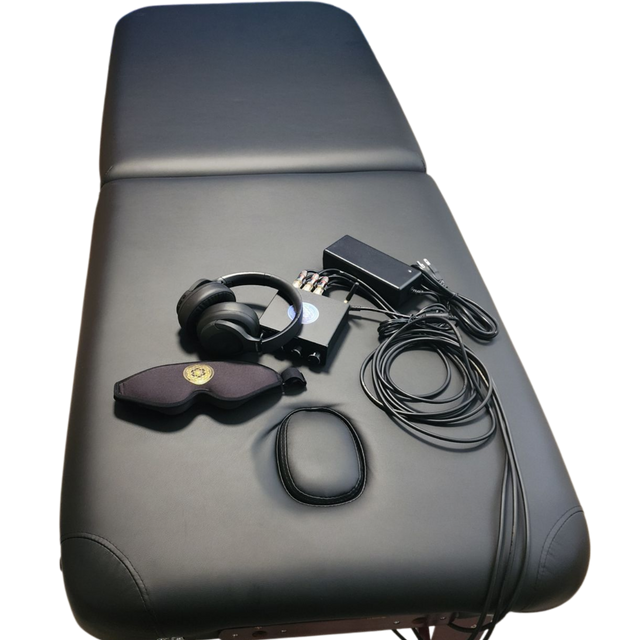
Vibroacoustic therapy uses transducers to convert audio signals into mechanical vibration that can be felt through a bed, cushion, or treatment table. In clinical-grade systems, low-frequency sound commonly falls within the approximately 20 to 120 Hz range. Rather than only hearing sound through the ears, the body receives a tactile rhythmic input through areas in contact with the surface.
This physical mechanism is central to the experience. Mechanoreceptors in the skin, muscles, and connective tissues respond to pressure and vibration. Slow, steady vibration can give the nervous system a clear, nonverbal sensory signal, particularly for people who find it difficult to settle through thought-based relaxation alone. Many users describe the experience as grounding, as though the body has a stable rhythm to meet and follow.
For a pre-sleep session, lower volume and gentler intensity are usually more appropriate than a stimulating daytime session. A 15- to 30-minute session during the first half of your wind-down period gives the body time to absorb the experience before lights out. Frequencies in the lower range, often around 30 to 60 Hz, are commonly selected for deep, felt vibration and relaxation-oriented sessions, though the ideal setting depends on the individual, the transducer surface, and personal sensory preference.
There is no need to chase a single perfect frequency. Some people respond beautifully to a steady 40 Hz tone, while others prefer layered low-frequency music, nature soundscapes, or a gentle progression through several frequencies. The therapeutic value often comes from dosage, comfort, repetition, and the context you build around the session. If the vibration feels intrusive, reduce the intensity, shorten the session, or choose a different sound program.
For practitioners, a brief vibroacoustic session can also become a useful closing ritual after bodywork or a somatic treatment. It provides a quiet period in which clients can notice their internal state before returning to their evening. For home users, a Vibroacoustic Solutions bed, cushion, or table attachment can help make this tactile component a consistent part of the sleep environment without requiring a separate treatment appointment.
Make the bedroom support regulation
The bedroom should reduce decisions at the end of the day. Put chargers away from the bed if possible, keep a notepad nearby for intrusive thoughts, and reserve the sleep surface for rest and intimacy rather than late-night work. If you use a vibroacoustic cushion or bed, set up the audio, timer, and preferred program before your routine begins so technology does not become another source of friction.
Temperature matters too. The body naturally cools as it prepares for sleep. Many people sleep more comfortably in a room around 60 to 67 degrees Fahrenheit, although comfort is personal. A warm shower or bath 60 to 90 minutes before bed may support this process by allowing heat to dissipate afterward.
If you share a room, build a routine that protects both people. Headphones, a localized vibroacoustic cushion, a sleep mask, or a mutually agreed lights-out sequence can preserve the benefits of ritual without requiring identical preferences.
Troubleshoot the routine without turning it into pressure
Give a new routine at least two weeks before judging it. Track only a few observations: when you began winding down, how long it felt like it took to fall asleep, whether you woke during the night, and how restored you felt in the morning. This creates useful feedback without making sleep into a nightly test.
If you are lying awake for a long stretch, step out of bed and do something quiet in dim light until sleepiness returns. This helps protect the association between the bed and rest rather than frustration. Persistent insomnia, loud snoring, gasping during sleep, severe daytime sleepiness, or major changes in mood deserve a conversation with a qualified healthcare professional.
The most effective sleep routine is the one your body can recognize night after night. Start with one dependable cue this evening, let it become familiar, and allow rest to become less of a demand and more of a practiced return.
Latest posts

Somatic Sound Therapy Versus Massage: Key Differences
Read article

Massage Practice Sound Table Example That Works
Read article