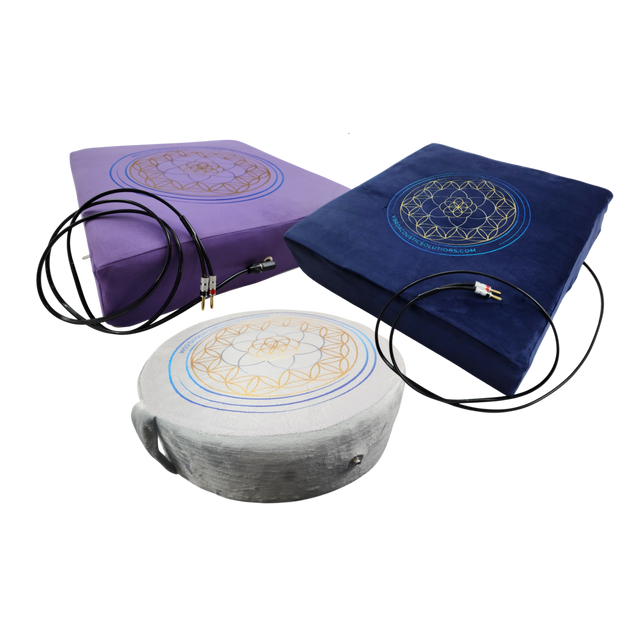
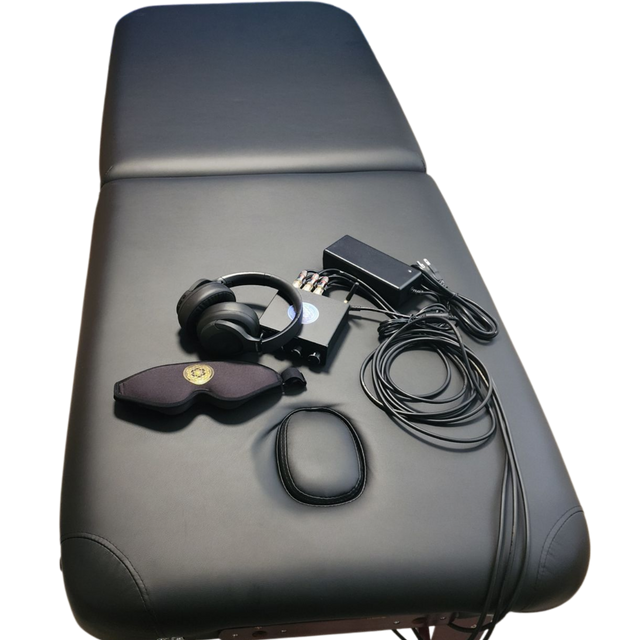
A treatment room can feel calm and still while a client’s nervous system remains on alert. That gap is where clinical sound therapy trends are becoming especially relevant. The field is moving beyond music played in the background and toward intentional low-frequency vibration delivered through beds, tables, cushions, and targeted body-contact systems.
The distinction matters because sound is not only heard. At lower frequencies, typically below about 120 Hz, it can also be felt through the body. This tactile component gives practitioners and home users a practical way to support somatic regulation, rest, recovery, and sensory comfort without adding another demanding task to the day.
Why Clinical Sound Therapy Trends Are Becoming More Physical
Vibroacoustic therapy uses transducers to convert audio signals into mechanical vibration. When a person lies on or sits against a vibroacoustic surface, low-frequency sound waves travel through the furniture and into the body as gentle rhythmic movement. Frequencies around 20 to 80 Hz are often experienced as deep, grounded vibration, while frequencies in the 80 to 120 Hz range can feel more localized and stimulating depending on volume, placement, and the individual’s sensitivity.
This is not simply a matter of making music louder. Airborne sound reaches the ear; structure-borne vibration reaches the body through direct contact. Muscles, fascia, skin receptors, joints, and the vestibular system all provide sensory information to the brain. Repeated, predictable low-frequency input may help shift attention away from threat monitoring and toward a more settled body state.
Researchers are increasingly interested in the relationship between vibration, mechanoreceptors, and autonomic regulation. Gentle vibration can engage sensory pathways associated with pressure, movement, and proprioception - the body’s awareness of position and physical presence. In a therapeutic setting, that may create a useful foundation for breathwork, massage, psychotherapy, rehabilitation, or quiet recovery.
The experience is highly individual. Some clients prefer a barely perceptible 30 Hz pulse with soft ambient music. Others respond well to a fuller 40 to 60 Hz program that creates a broad, enveloping sensation across the back and hips. Clinical application depends on the person, their goals, their sensory profile, and how much stimulation feels supportive rather than overwhelming.
1. Nervous System Regulation Is Replacing Generic Relaxation
For years, sound-based wellness was often framed as relaxation. Relaxation remains valuable, but the current language is more precise: regulation, interoception, sensory safety, and recovery capacity.
This shift reflects what practitioners see in real sessions. A person with persistent stress, trauma-related tension, chronic pain, or sensory overload may not be able to simply decide to relax. Their body may need consistent, nonverbal cues of predictability first. A steady low-frequency rhythm can provide one such cue.
Programs in the theta-associated range, roughly 4 to 8 Hz when used as rhythmic modulation rather than direct audible bass, are often chosen for settling practices. Delta-associated rhythms, around 0.5 to 4 Hz, may be incorporated into sleep-oriented sessions. The audible carrier frequency is usually much higher, often between 30 and 80 Hz, because that range transfers effectively through a bed, table, or cushion.
The clinical trend is not to prescribe a universal frequency. It is to use sound deliberately: begin gently, observe breathing and muscle tone, and adjust intensity or duration based on response. This approach makes vibroacoustic therapy more compatible with trauma-informed and sensory-informed care.
2. Clinics Are Integrating Vibration Into Existing Modalities
Vibroacoustic therapy is increasingly being used as a treatment-layer rather than a stand-alone event. Massage therapists may use low-frequency sound during the opening minutes of a session to help clients settle onto the table. Somatic practitioners may incorporate it before guided body awareness work. Recovery-focused facilities may use it after movement, training, or manual therapy to create a quieter transition out of exertion.
This integration works because the technology does not require a client to perform or explain anything. The body receives steady tactile information while the practitioner continues working within their established scope and method.
For clinics, the equipment format is also changing. Full vibroacoustic beds can create a dedicated treatment experience, while massage table attachment kits allow existing tables to become sound-responsive therapeutic surfaces. Cushions offer a lower-footprint option for chairs, home environments, and smaller consultation rooms. This flexibility is helping practitioners test clinical sound therapy without redesigning an entire practice.
A useful protocol may be as simple as 15 to 30 minutes of low-frequency support before or after a primary service. The right duration depends on client tolerance. More vibration is not automatically better. A calm, repeatable experience is usually more valuable than an intense one.
3. Personalization Is Moving From Novelty to Clinical Practice
The most promising systems are designed for adjustment. Frequency, volume, session length, stereo panning, musical content, and body position can all change the experience. That matters because a frequency that feels deeply soothing to one person may feel too activating to another.
Pain-focused programs often use low audible frequencies in the 30 to 60 Hz range because these frequencies produce a clear tactile effect through a mattress or treatment table. Sleep and stress programs may use slower pacing, lower volume, and less complex musical arrangements. For people with ADHD, autism, or heightened sensory sensitivity, shorter sessions and gradual intensity changes can make the experience more comfortable.
This personalization trend also extends to client feedback. Practitioners are paying closer attention to language such as “heavy,” “settled,” “too buzzy,” “safe,” or “spacious.” Those descriptions are clinically useful. They can guide adjustments that make the next session more responsive to the individual nervous system in front of you.
4. Research Is Encouraging More Measurable Protocols
The evidence base for vibroacoustic therapy is developing across pain, stress, movement, sleep, and quality-of-life applications. Studies have used a wide range of protocols, which is one reason the field is increasingly focused on clearer reporting: frequency range, sound pressure level, body position, session duration, number of sessions, and the outcome being measured.
Published clinical studies have explored low-frequency vibration between approximately 20 and 120 Hz, often delivered in sessions lasting 20 to 45 minutes. Small trials and clinical observations have reported changes in perceived pain, muscle tension, relaxation, and mood-related measures. Research involving older adults, rehabilitation populations, and people living with chronic discomfort has also helped expand interest in accessible, noninvasive delivery formats.
The next step is not to reduce every session to a single number. It is to pair the human experience with better documentation. A clinic can track sleep quality, perceived stress, pain ratings, range of motion, recovery time, and client-reported regulation before and after a series of sessions. That kind of record supports thoughtful care and helps identify which protocols are most useful for a particular population.
5. Home Systems Are Becoming Part of Continuity of Care
A single weekly appointment can be meaningful, but nervous system support often benefits from repetition. This is why home-accessible vibroacoustic systems are an important part of the current landscape. A client can use a familiar low-frequency program before bed, after work, or following exercise without needing to schedule another appointment.
For practitioners, home use can extend the therapeutic environment beyond the clinic. The goal is not to replicate a professional session exactly. It is to give clients a manageable ritual that supports the work already taking place in care.
Accessibility is central to this trend. A clinical-grade experience does not always require a large, dedicated bed. A conversion kit can transform an existing massage table, recliner, or platform into a vibroacoustic surface. A cushion can bring tactile sound into a home office or reading chair. At Vibroacoustic Solutions, this range of formats helps people choose a system that fits both their therapeutic goals and their available space.
What to Look for as the Field Matures
As sound therapy becomes more visible, the strongest offerings will be the ones that respect both the technology and the person using it. Look for equipment that delivers clear low-frequency response, allows practical volume control, and is built for repeated body-contact use. Just as important, look for education that explains what the frequencies are doing physically and how to use them with care.
A thoughtful session begins with comfort: stable positioning, a modest starting volume, and enough time for the body to acclimate. From there, the practitioner or home user can learn what creates a sense of ease, grounding, and recovery. The future of clinical sound therapy may be high-tech, but its most meaningful outcome is profoundly human: helping the body recognize a moment when it can soften.
Latest posts