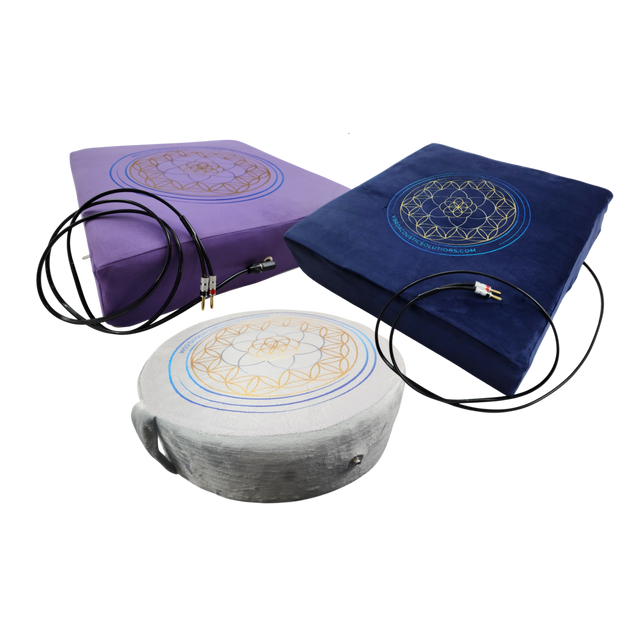
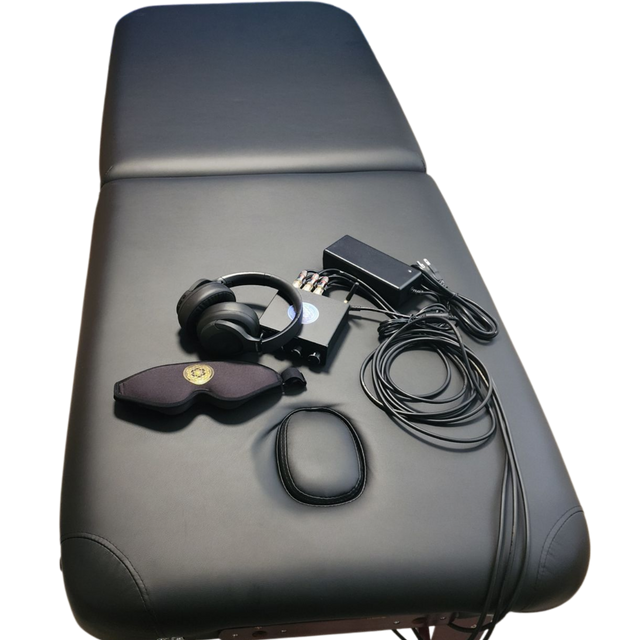
A treatment table can look perfectly functional yet offer little support for the nervous system beyond touch alone. A well-designed DIY transducer kit changes that equation by turning the surface beneath the body into a source of precisely delivered low-frequency vibration. This DIY transducer kit review looks at what these systems do, where they fit best, and what separates a therapeutic installation from a setup that simply makes furniture vibrate.
For a massage therapist, clinic owner, or home user, the appeal is clear: preserve furniture that already works while adding a clinical-grade vibroacoustic layer. The decision, however, depends on the table or chair, the intended sessions, and the quality of the installation.
How a DIY Transducer Kit Creates Therapeutic Vibration
A transducer is not a conventional speaker. Instead of primarily moving air to create audible sound, it converts an audio signal into mechanical energy. When mounted securely to a massage table, recliner, platform, or cushion base, it transfers that energy into the structure. The structure then becomes the medium the body feels.
This matters because low frequencies travel through solid materials differently than they travel through air. A tone around 30 Hz may be felt as a slow, grounding pulse; 40 to 60 Hz often produces a more pronounced rhythmic sensation through larger muscle groups and soft tissue; and frequencies from roughly 80 to 120 Hz can feel more focused and enlivening. The experience also changes with body position, upholstery density, furniture materials, amplifier power, and the audio track itself.
Vibroacoustic therapy commonly works within approximately 20 to 120 Hz, a range below or near the lower edge of ordinary musical listening. The goal is not volume. It is a stable, comfortable sensory input that the body can register through contact. When paired with carefully selected music, breathwork, massage, or quiet rest, that tactile input can help create conditions for downregulation, body awareness, and recovery.
Research into low-frequency sound and vibration has explored effects on relaxation, pain perception, muscle tone, and autonomic regulation. Protocols vary, which is why a DIY system should be viewed as a flexible therapeutic tool rather than a one-setting device. Frequency, intensity, session length, and client preference all matter.
DIY Transducer Kit Review: What You Are Really Buying
The strongest reason to choose a DIY kit is adaptability. A complete vibroacoustic bed is an excellent option when a dedicated treatment surface is available. A conversion kit, by contrast, lets a practitioner add vibroacoustic capability to an existing massage table or lets a home user adapt a favorite recliner, daybed, or resting platform.
That affordability has a practical trade-off. With a ready-made system, much of the acoustic behavior has already been engineered around the frame, transducer placement, and padding. With a DIY approach, the furniture becomes part of the system. Its construction will influence the outcome.
A solid wood or plywood platform tends to transmit vibration predictably. A lightweight frame, hollow panels, loose hardware, or heavily sprung furniture may introduce rattles, uneven vibration, or excessive resonance. None of those characteristics automatically rule out a conversion, but they affect where components should be mounted and how much adjustment the system will need.
A meaningful kit should support more than basic installation. Look for components designed to handle low-frequency energy, an amplifier appropriate for the transducers, secure mounting hardware, and clear guidance for placement and wiring. The audio source matters too. A phone, tablet, computer, or dedicated player can provide the signal, but tracks created with low-frequency content will generally produce a more intentional tactile experience than standard music alone.
Vibroacoustic Solutions approaches DIY conversion as a way to make therapeutic sound technology more accessible without reducing it to a novelty. That distinction is valuable. A good system is designed around safety, repeatability, and a session experience that can be tailored to the individual.
Where DIY Systems Work Best
For practitioners, a massage table attachment can add a distinct sensory dimension without forcing a full room redesign. It may be particularly useful during the opening minutes of a session, during stillness between hands-on techniques, or as a closing period that gives the client time to integrate. Because vibration is delivered through the table, the room can remain calm rather than filled with loud music.
Home users often benefit from the familiarity of their own furniture. A recliner or bed-based setup can support an evening wind-down routine, a restorative break after activity, or a quiet sensory regulation practice. The most sustainable setup is usually the one that is easy to access and simple to operate consistently.
DIY systems can also be a thoughtful fit for sensory-aware spaces. Some people prefer an evenly distributed, low-volume tactile experience to external sound played through room speakers. Others want minimal intensity and a short session. The value of a controllable system is the ability to begin gently and adjust based on lived experience.
Installation Determines the Experience
Mounting location has an outsized effect on performance. A transducer attached near the center of a broad, stable panel may distribute vibration more evenly than one placed on a narrow edge or unsupported section. On a massage table, installers often need to consider the frame, the underside clearance, the face cradle mechanism, folding legs, and any moving parts before choosing a location.
Secure contact is essential. If mounting hardware loosens, energy is wasted as noise and the furniture may rattle. Cables should be routed away from moving mechanisms and positioned so that neither the practitioner nor the client can catch a foot on them. Before the first full session, test the system at low output while checking the table from several positions.
Do not judge performance by intensity alone. Too much output can feel distracting, especially on a firm surface or for someone who is new to vibroacoustic work. The better test is whether the vibration feels balanced, comfortable, and stable across the body. A lower setting with a well-chosen 30 Hz, 40 Hz, or 60 Hz program often feels more therapeutic than pushing the system to its limit.
A Note on Audio and Frequency Selection
Pure tones make it easier to understand the body’s response to a specific frequency. Music with embedded low-frequency content can feel more immersive and emotionally supportive. Many people also enjoy using 432 Hz music, Solfeggio-based compositions, or soundscapes inspired by natural rhythms because these selections carry personal, cultural, and contemplative meaning.
The key is to match the audio to the session purpose. For quiet settling, slower and simpler material can reduce sensory load. For post-activity recovery, a steady low-frequency foundation may feel more physically present. In a professional setting, it helps to offer clients a choice and to record what settings feel supportive for future sessions.
Who Should Choose a DIY Kit Instead of a Dedicated Bed?
A DIY conversion is an especially strong choice when the existing furniture is sturdy, valuable, and already central to the care environment. It suits practitioners who want to introduce vibroacoustic sessions gradually, professionals working in smaller rooms, and home users who want a personalized setup without purchasing a separate piece of furniture.
A dedicated bed may be the better investment for high-volume clinics, facilities that want a single-purpose treatment station, or users who prefer a fully integrated aesthetic with less installation work. Neither route is inherently superior. The right choice comes down to space, workflow, budget, and how central vibroacoustic therapy will become to the practice.
Before purchasing, measure the available mounting area, confirm the furniture can safely support the added components, and consider where the amplifier and controls will live. If the table folds for travel, portability should be part of the plan from the start.
The Bottom Line for a Therapeutic Setup
The best DIY transducer kit is not the one that produces the strongest vibration. It is the one that helps create a reliable, comfortable environment where low-frequency sound can be felt with clarity and care. Start with a stable surface, install deliberately, and give the body permission to guide the settings. A few quiet minutes of well-calibrated vibration can become a meaningful part of how a space supports rest, recovery, and regulation.
Latest posts

Somatic Sound Therapy Versus Massage: Key Differences
Read article

Massage Practice Sound Table Example That Works
Read article