A nervous system does not respond to information alone. It responds to rhythm, pressure, sound, breath, temperature, safety, and the steady repetition of signals it can predict. That is why the future of nervous system technology is likely to look less like a screen demanding attention and more like an environment that helps the body recognize regulation from the inside out.
For home users and practitioners alike, the most meaningful advances may not be the flashiest ones. They will be technologies that translate neuroscience into experiences people can actually feel: a low-frequency vibration moving through a treatment table, a paced breath cue that slows naturally, or feedback that helps someone notice when their system is shifting out of high alert.
The future of nervous system technology begins with the body
The nervous system is constantly collecting sensory input. Mechanoreceptors in the skin, muscles, joints, and connective tissue detect touch, stretch, pressure, and vibration. Those signals travel through peripheral nerves to the spinal cord and brain, where they are interpreted alongside information from the heart, lungs, inner ear, and digestive system.
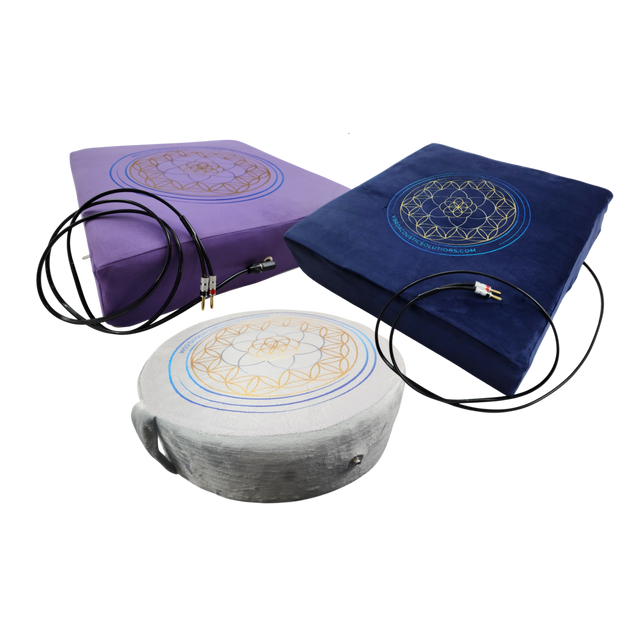
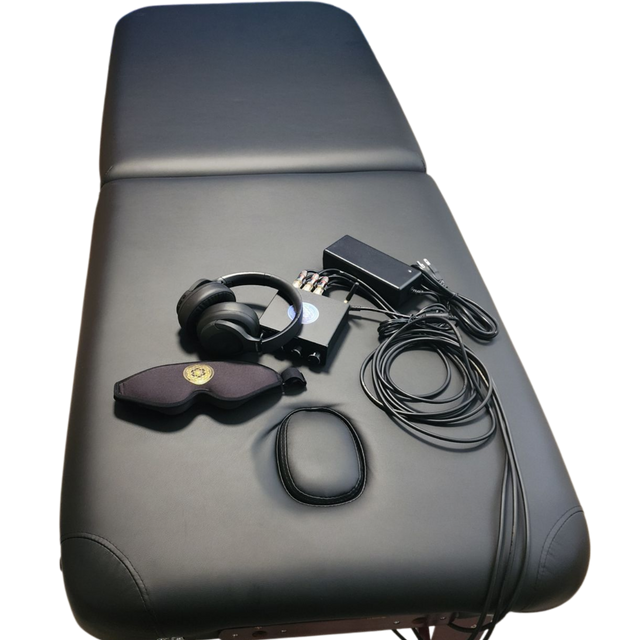
Vibroacoustic therapy works within this sensory landscape. A transducer converts an audio signal into mechanical vibration, allowing low frequencies to be felt through a bed, chair, cushion, or massage table. Rather than simply listening to bass tones, the person receives sound as tactile input across a broad contact area. Frequencies commonly used in vibroacoustic settings range from approximately 20 to 120 Hz, with many protocols concentrating between 30 and 80 Hz for a deeply perceptible, calming experience.
This physical pathway matters. Low-frequency vibration can provide organized sensory input to the body while music, nature sounds, or therapeutic tones supply an auditory context. The repeated rhythm may support body awareness, ease protective muscle holding, and create conditions that are more favorable for downshifting after stress. Many people describe the experience as a sense of being grounded, held, or gently reset.
The goal is not to force the nervous system into relaxation. Regulation is more collaborative than that. It is the capacity to move between activation and rest with flexibility, rather than becoming stuck in either state.
From generic wellness tools to responsive care
The next generation of somatic technology will increasingly respond to the individual rather than delivering one fixed protocol. Wearables already track heart rate, sleep patterns, movement, and, in some cases, heart rate variability. Heart rate variability, or HRV, measures variation in timing between heartbeats. It is one useful window into autonomic flexibility, although it is influenced by sleep, illness, medication, training load, and many other factors.
The opportunity is to use this data thoughtfully. A system might recognize that a person has had fragmented sleep and recommend a shorter, gentler session. A clinic might pair a client's self-reported stress level with a familiar soundscape and a lower-intensity vibration program. Over time, the technology could help identify patterns: which settings feel supportive before sleep, which ones help after physical exertion, and which forms of sensory input feel like too much on a difficult day.
This is where personalization needs restraint. More data does not automatically create better care. A dashboard can be helpful, but it can also become another source of vigilance for someone already monitoring every bodily sensation. The best nervous system technology will make measurement available without making the user feel measured.
Biofeedback will become more sensory
Traditional biofeedback often presents a number on a screen. That can be useful, especially in clinical or training settings, but future systems may communicate through the senses themselves. A slower pulse of vibration could mirror a paced breathing exercise. Gentle shifts in sound might reflect changes in breathing cadence. Lighting, warmth, and tactile cues may be coordinated to create a coherent regulation environment.
There is a reason paced breathing is so often included in stress-management programs. Breathing around five to six breaths per minute has been widely studied for its relationship to respiratory sinus arrhythmia and HRV-related biofeedback. It is not a universal prescription, and comfort matters more than chasing a number. Still, it offers a practical example of how rhythm can influence physiology without requiring complicated effort.
When vibration, breath, and sound are aligned, the experience can become easier to follow than verbal instruction alone. For clients with sensory processing differences, trauma-related tension, ADHD, or difficulty settling after a demanding day, that nonverbal route may be especially valuable.
Why low-frequency sound will remain central
Low-frequency sound is not new, but the way it is delivered is becoming more precise. Earlier vibroacoustic systems often relied on broad, generalized settings. Modern systems can offer carefully selected frequency programs, adjustable intensity, and placement options suited to a full-body bed, seated cushion, or existing massage table.
Different frequency ranges create distinctly different felt experiences. Around 30 to 40 Hz, vibration is often experienced as slow and substantial. Settings between 50 and 80 Hz may feel more active and muscular. Higher frequencies in the vibroacoustic range can feel lighter or more localized, depending on the transducer, surface material, body position, and volume. The right setting depends on the person, the goal of the session, and what feels safe and comfortable in the moment.
Researchers have explored 40 Hz sensory stimulation in several neurological contexts, particularly because rhythmic sensory input may influence brain-network activity. Separately, research on vibroacoustic interventions for pain, anxiety, and relaxation has reported promising changes in self-reported symptoms and well-being, while also highlighting the need for more standardized protocols and larger controlled studies. That is not a limitation to hide. It is an invitation for practitioners, manufacturers, and researchers to build better, more repeatable approaches.
For practical care, the immediate value is clear: low-frequency vibration gives a practitioner a way to add embodied sensory support without adding more cognitive work for the client. It can complement massage, breathwork, physical recovery routines, guided relaxation, and sound-based sessions when used within an appropriate scope of practice.
The clinical setting will become more adaptable
For clinics, the future is not necessarily a room full of complicated devices. It may be a more adaptable treatment environment. A massage therapist can add a vibroacoustic attachment to an existing table. A counselor or somatic practitioner can offer a short settling period before a session. An integrative health provider can create a quiet recovery space that gives clients time to transition before returning to daily demands.
This flexibility matters because nervous system support is rarely one-size-fits-all. Some clients respond well to a 20-minute full-body session with gentle music. Others prefer a brief 5- to 10-minute vibration-only experience before hands-on work. A person who finds low frequencies comforting one week may prefer lower intensity or no vibration at all the next. Consent, choice, and the ability to adjust are not accessories to therapeutic technology. They are part of the intervention.
At home, accessibility will matter just as much as sophistication. A clinical-grade experience does not have to require a dedicated treatment room or a complex installation. Systems such as those from Vibroacoustic Solutions can bring tactile sound into a bed, chair, or treatment table setup, allowing people to build a consistent regulation practice around the space they already use.
Human guidance remains the essential technology
As nervous system tools become smarter, the risk is treating regulation as a performance metric. A calm-looking graph does not always mean someone feels safe. A lower heart rate is not the same as emotional ease. And no device can replace informed clinical judgment, relational safety, or medical care when it is needed.
The most responsible future will pair technology with education. Users should understand intensity, session length, positioning, and how to recognize a supportive response versus sensory overload. Practitioners should have clear protocols while retaining the freedom to adapt based on observation and client feedback. This is especially important when supporting people with chronic pain, complex stress histories, neurological differences, or high sensory sensitivity.
The promise of nervous system technology is not that it will make human care unnecessary. It is that it can make supportive states more accessible, repeatable, and tangible. A well-chosen frequency, a comfortable surface, and ten uninterrupted minutes of felt safety can become a small but meaningful practice of recovery.
Latest posts


Vibroacoustic Systems for Therapeutic Regulation
Read article