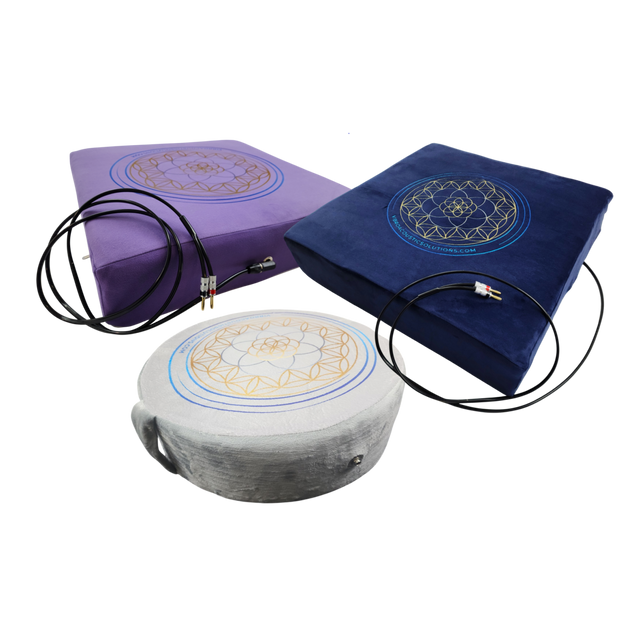
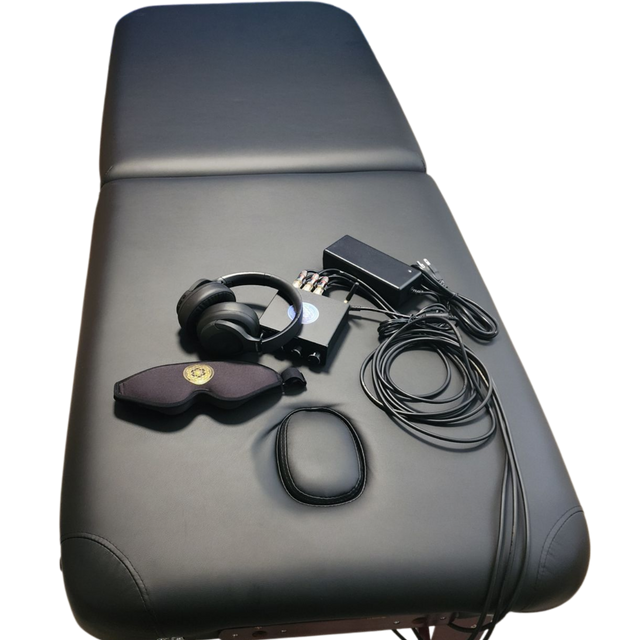
A treatment room can look calm and still leave a client’s nervous system on alert. Lighting, scent, and a comfortable table help, but they do not always give the body a clear physical cue that it is safe to downshift. This guide to clinic relaxation technology focuses on tools that create measurable sensory conditions for rest, especially vibroacoustic therapy systems that pair low-frequency sound with tactile vibration.
For massage therapists, somatic practitioners, integrative providers, and clinic owners, the goal is not to fill a room with gadgets. It is to build a reliable regulation environment: one that supports settling before hands-on work, deeper presence during a session, and a gentler transition afterward.
What Clinic Relaxation Technology Actually Does
Clinic relaxation technology includes tools designed to influence the sensory environment and the body’s stress response. Common examples include weighted supports, light-management systems, sound systems, heated surfaces, breathing feedback devices, and vibroacoustic furniture. Each works through a slightly different pathway.
Vibroacoustic therapy is distinct because the client does not only hear sound. Low-frequency audio is routed through transducers mounted inside a bed, mat, cushion, or treatment-table attachment. Those transducers convert the audio signal into mechanical vibration. The body perceives the frequency through touch and pressure as well as hearing.
This matters because low frequencies travel efficiently through supportive surfaces and into areas of body contact. A sustained 30 Hz tone, for example, creates 30 vibration cycles per second. In a well-built system, that rhythmic input can be felt through the back, pelvis, legs, or torso without requiring high volume. Many clinical protocols use frequencies in roughly the 20 to 120 Hz range, where vibration is readily perceptible and can be delivered comfortably through furniture.
The experience is often described as a gentle internal massage. Mechanically, changing pressure and vibration stimulate cutaneous and deeper mechanoreceptors, providing organized sensory input to the nervous system. In a quiet, supported setting, that input may help some clients shift attention away from persistent muscle guarding, mental overload, or environmental vigilance. The outcome is individual, which is why choice, pacing, and clear communication matter as much as the equipment itself.
Why Vibroacoustic Systems Fit a Clinical Setting
A conventional speaker fills the room with sound. A vibroacoustic system gives the sound a physical pathway through the treatment surface. This allows a practitioner to create an immersive experience without making the room loud or asking a client to actively perform a relaxation technique.
Low-frequency programs can be especially useful at the beginning of a session, when a client needs time to arrive in their body. They can also support integration after bodywork, guided rest, or a demanding therapeutic conversation. For clients who find verbal relaxation prompts difficult to follow, predictable tactile rhythm may offer a more accessible entry point.
Research on vibroacoustic interventions continues to grow across pain management, stress, rehabilitation, and supportive care. Small clinical studies and reviews have reported improvements in self-rated relaxation, mood, discomfort, and quality of life for certain populations, while protocols vary widely in frequency, session length, music selection, and delivery method. That variation is not a weakness to ignore. It is a practical reminder that frequency is one part of a larger therapeutic context.
Some practitioners also work with sound traditions that carry personal or spiritual meaning, including 432 Hz music, Solfeggio tones, or rhythms inspired by the Schumann resonance. These soundscapes can make a session feel deeply familiar, ceremonial, or emotionally spacious. A clinic can honor that experience while still paying close attention to the tangible variables that shape comfort: vibration intensity, speaker quality, body position, room temperature, and a client’s ability to pause or change the session.
Choosing the Right System for Your Practice
The best system depends on your treatment model, available space, and whether vibration is a central service or an added layer. A dedicated vibroacoustic bed creates a complete, immersive experience and works well in relaxation rooms, sound therapy practices, and recovery-focused clinics. It also requires a dedicated footprint and a workflow designed around longer, quieter sessions.
A treatment-table attachment kit is often the more practical starting point for massage therapists and bodyworkers. It lets an existing table become a vibroacoustic surface without replacing equipment that is already central to the practice. This option can support a five- to 15-minute grounding phase before manual therapy or a short integration period after it.
Cushions and portable mats offer flexibility for seated work, smaller rooms, sensory regulation spaces, and home follow-up recommendations. They are not necessarily a substitute for a full-body table system. Their strength is targeted contact and ease of use. A client seated with a vibroacoustic cushion may feel vibration primarily through the spine and pelvis, while a table system distributes sensation across more of the body.
When comparing equipment, prioritize the quality of the transducers, the durability of the upholstery or enclosure, simple volume control, reliable audio connectivity, and the ability to clean the surface between clients. Ask how evenly vibration is distributed and whether the system can reproduce low frequencies without rattling, buzzing, or distracting resonance. A clinical-grade experience should feel intentional, not improvised.
Designing a Session That Feels Safe
Technology has the greatest value when it is introduced with consent and choice. Before starting, explain what the client is likely to feel: a low, rhythmic vibration through the table or cushion, paired with music or tones. Let them know that vibration can be reduced, changed, or stopped at any moment.
Begin at a lower intensity than you think you need. For many clients, 20 to 40 Hz paired with slow ambient music is a comfortable starting range because it is clearly felt without becoming demanding. Others may prefer a broader musical program with frequencies that move gradually through the low end. The right setting is not the one that feels most dramatic. It is the one that helps the client remain settled, present, and comfortably aware of their body.
A short protocol can be remarkably effective. Allow two or three minutes for positioning and orientation, then offer 10 minutes of low-frequency vibration before the primary service. Afterward, give the client a minute of quiet before asking questions or moving them into a seated position. This transition protects the restorative quality of the experience.
For longer standalone sessions, 20 to 30 minutes is often enough time to create a meaningful arc: arrival, steady sensory support, and gradual return. Avoid abrupt endings. Fade the volume and vibration when possible, then invite the client to notice temperature, breath, contact points, or any change in muscular holding.
Match Frequency and Intensity to the Client, Not the Trend
There is no universal best frequency for relaxation. A client who enjoys strong sensory input may find 40 to 60 Hz grounding and satisfying. Another may prefer the slower, more spacious quality of 20 to 30 Hz. Higher low-frequency settings can feel more stimulating or localized depending on the equipment and body position.
The practitioner’s job is to observe rather than assume. Look for signs of settling, such as slower speech, easier breathing, softened facial tension, or a client reporting that they feel more embodied. Also watch for discomfort, bracing, dizziness, irritation, or an urge to get off the surface. If the system feels too intense, lower the volume first, then simplify the audio track or reduce session duration.
Clients with complex health histories, acute symptoms, implanted devices, pregnancy-related considerations, significant sensory sensitivity, or concerns about vibration should be encouraged to consult their qualified healthcare team as appropriate. Clinic protocols should follow equipment instructions, informed-consent standards, and the practitioner’s scope of practice. Vibroacoustic therapy can complement professional care, but it is not a replacement for medical assessment or treatment.
Build the Room Around Regulation
A vibroacoustic system performs best in a room that does not compete with it. Reduce sudden noise, provide a blanket or bolsters for stable body positioning, and keep controls within easy reach. The client should never have to call across the room to ask for an adjustment.
Consider the full sensory sequence. A bright hallway, rushed intake, and abrupt checkout can undo the calm created on the table. Even a brief pause after a session, with water and a quiet place to sit, helps clients carry the experience back into their day with more ease.
For practices ready to add sound-based somatic support, Vibroacoustic Solutions offers options ranging from portable cushions and conversion kits to professional treatment-table systems. The most useful choice is the one that fits naturally into your existing care model and can be used consistently.
The technology is not the therapeutic relationship. It is a carefully designed sensory partner: a way to help the body receive a simple message through rhythm, resonance, and supported contact - you can slow down now.
Latest posts

Therapeutic Chair System Review for Home and Clinics
Read article
A Trauma Informed Sound Therapy Example in Practice
Read article
Somatic Therapy Equipment for Nervous System Care
Read article