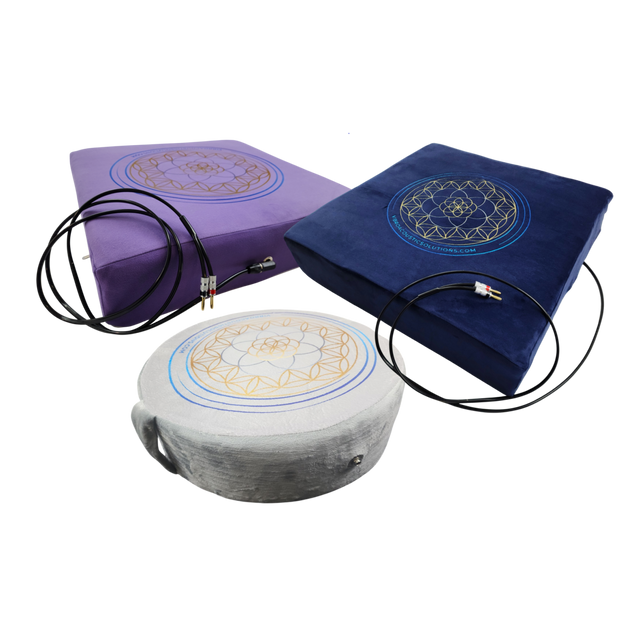
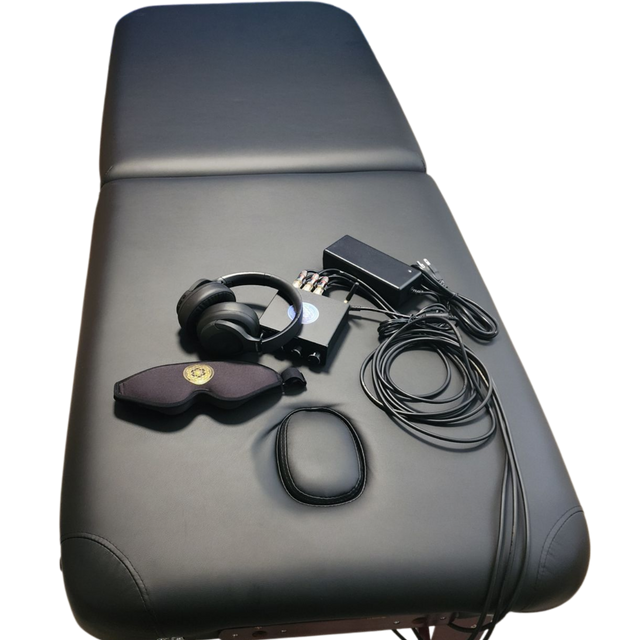
A treatment room can feel calming and still leave the nervous system unchanged. Somatic therapy equipment adds a physical route into regulation: steady pressure, rhythmic movement, low-frequency vibration, or sensory feedback the body can perceive directly. For home users and practitioners, the right tools make care more repeatable, measurable, and easier to integrate into daily recovery.
What Somatic Therapy Equipment Is Designed to Do
Somatic therapy works with lived body experience: breath, muscle tone, posture, sensation, interoception, and the autonomic nervous system. Equipment does not replace the therapeutic relationship, skilled touch, movement, or clinical judgment. It can, however, create a reliable sensory environment that helps a person notice what is happening inside and practice returning to a more settled state.
The mechanism comes before the outcome. The body continuously receives information from mechanoreceptors in the skin, muscles, joints, and connective tissue. Slow compression, gentle rocking, warmth, vibration, and sound-driven tactile input can shift that incoming sensory information. When the input is predictable and comfortable, many people experience less guarding, easier breathing, and a greater sense of physical safety.
Vibroacoustic therapy is especially distinctive because it delivers sound as felt vibration. Transducers convert an audio signal into mechanical movement through a bed, cushion, chair, or massage table attachment. Rather than only hearing a low tone, the user feels it travel through areas of contact with the equipment. Frequencies between roughly 20 and 120 Hz are commonly used because they fall within the low-frequency range the body can perceive as vibration.
This is not simply background music with a subwoofer. The frequency, amplitude, session length, body position, and quality of contact all influence the experience. A 30 Hz tone may feel broad and grounding through a full-body mattress, while 60 to 80 Hz may feel more localized and energizing through a cushion. Gentle amplitude matters. More intensity is not automatically more therapeutic, particularly for people with sensory sensitivity, migraine patterns, chronic tension, or trauma-related hypervigilance.
Types of Somatic Therapy Equipment
The best somatic therapy equipment depends on what the person needs to feel, where it will be used, and how much support a practitioner can provide. A clinic may need durable, disinfectable tools that fit into a session workflow. A home user may need something compact enough to use before sleep or after work.
Vibroacoustic beds, mats, and cushions
A vibroacoustic bed provides broad contact across the back, hips, legs, and sometimes the full body. This makes it well suited to guided relaxation, recovery sessions, sensory regulation, and integrative bodywork. The horizontal position also reduces the effort of holding posture, allowing attention to move toward breath and sensation.
Cushions offer a smaller footprint and more targeted placement. They can be used in a favorite chair, on a sofa, or under the feet or back during a grounding practice. For clients who find a full-body setup too intense, a cushion can provide a gentler introduction to tactile sound.
Massage table attachment kits and DIY conversion systems offer a practical middle ground for practitioners. They can turn an existing treatment table into a vibroacoustic surface without requiring a complete room redesign. For massage therapists, somatic practitioners, and integrative providers, this can add a structured sound-and-vibration component before bodywork, during rest periods, or at the close of a session.
Weighted tools and compression supports
Weighted blankets, lap pads, bolsters, and compression wraps provide sustained deep-pressure input. This input may support body awareness by giving the nervous system a clear, steady point of reference. The goal is comfortable containment, not restriction. A person should be able to reposition easily and should never feel pinned down.
These tools can pair well with vibroacoustic sessions. A light weighted blanket over the legs, for example, may make low-frequency vibration feel more organized and less diffuse. Individual response varies, so beginning with shorter sessions is a sound clinical and personal practice.
Movement, balance, and sensory tools
Rocking chairs, therapy swings, balance cushions, foam rollers, and textured balls support a different dimension of somatic work: active sensing. Slow rocking introduces rhythmic vestibular input. A balance cushion asks the body to make small postural adjustments. A foam roller or therapy ball can create pressure and feedback during self-guided movement.
These tools are useful when stillness feels inaccessible. Some people regulate best by moving first, then resting. Others need a quiet, supported surface before they can tolerate movement. Equipment should follow the person’s nervous system, not force it into a preset protocol.
How to Choose Somatic Therapy Equipment
Start with the intended experience rather than the product category. Are you trying to create a more restorative sleep routine, support recovery after physical exertion, offer a sensory break during an overstimulating day, or deepen a professional treatment session? The answer determines the form factor and setup that will actually be used.
For a practitioner, consider client flow. A full-size vibroacoustic bed can become the centerpiece of a dedicated regulation room, while a table conversion kit may integrate more naturally into an established massage or bodywork practice. Consider sanitation, weight capacity, controls, audio source, cable management, and whether settings can be adjusted without interrupting the client’s rest.
For a home setup, choose accessibility over complexity. A system that takes 15 minutes to assemble is less likely to become part of a consistent evening ritual. A cushion or compact mat may be the better fit for an apartment, shared home, or travel-friendly routine. Clinical-grade components still matter, but so does the reality of your space.
Before purchasing, assess four practical questions:
- Where will the equipment live, and how much room does it require?
- Who will use it, and do they have sensory, mobility, or positioning needs?
- How much body contact is desired: localized, seated, or full-body?
- Can the system deliver controlled low-frequency vibration without unwanted rattling or distortion?
Building a Safer, More Effective Practice
A simple protocol is usually more useful than an elaborate one. Begin with 10 to 20 minutes at a comfortable, low-to-moderate setting. Invite the person to notice temperature, breath, jaw tension, muscle softening, agitation, or the urge to move. There is no correct sensation to achieve. The information itself is part of somatic practice.
For a calming session, many users prefer slower-paced music, sustained tones, or low-frequency programs in the 30 to 50 Hz area. For recovery-oriented bodywork, practitioners may use broader low-frequency programs across approximately 20 to 80 Hz, adjusting intensity to the client’s comfort. A full session can include a few quiet minutes afterward, allowing the body to integrate the sensory experience before standing up or returning to conversation.
Frequency traditions can also hold personal meaning. Some people feel drawn to 432 Hz music, Solfeggio tones, or soundscapes inspired by natural rhythms because the listening experience feels emotionally resonant, ceremonial, or deeply familiar. When these sounds are delivered through a tactile system, the experience can become both heard and felt. Personal preference belongs in the process alongside technical considerations.
Practitioners should screen thoughtfully and use equipment within the scope of their training. Ask about comfort with vibration, sound sensitivity, current pain levels, positioning limitations, implanted electronic devices, pregnancy considerations, and any condition for which a client has been given specific activity restrictions. When questions arise, encourage coordination with the client’s qualified healthcare team.
Why Equipment Can Change the Therapeutic Environment
The value of somatic technology is not that it makes healing automatic. Its value is consistency. A carefully designed vibroacoustic surface can deliver the same stable tactile input from one session to the next, helping clients build familiarity with what regulation feels like in their own body.
For a practitioner, that consistency can create more space for observation and attunement. For a home user, it can turn an abstract intention such as “I need to calm down” into a concrete ritual: lie down, press play, feel the support beneath you, and stay with the body for a few uninterrupted minutes.
The most effective somatic setup is the one that feels safe enough to return to. Choose equipment that meets the body with clear, comfortable sensory input, then let repetition build the conditions for recovery, presence, and a steadier relationship with sensation.
Latest posts

Therapeutic Chair System Review for Home and Clinics
Read article
A Practical Guide to Clinic Relaxation Technology
Read article
A Trauma Informed Sound Therapy Example in Practice
Read article