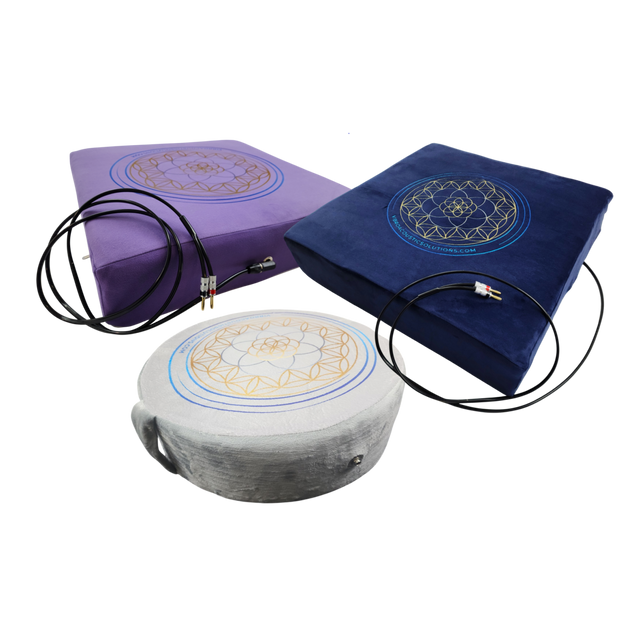
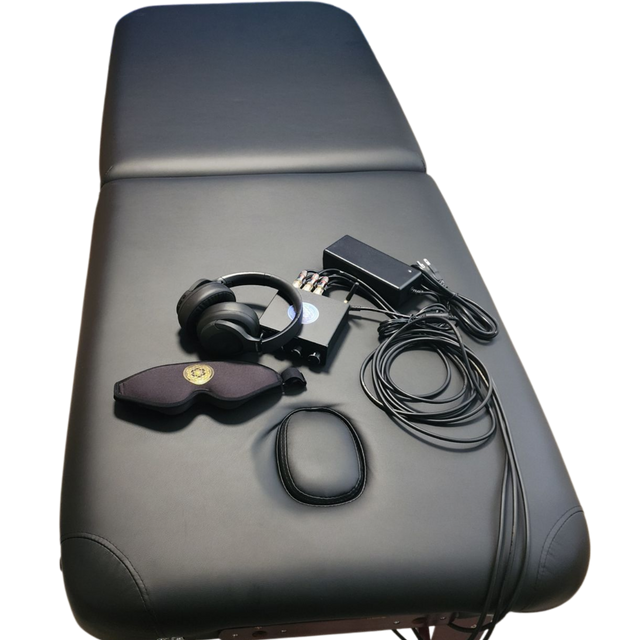
A chair can become more than a place to sit when it delivers precisely controlled low-frequency vibration through the body. This therapeutic chair system review examines what separates a meaningful vibroacoustic setup from a chair that simply feels loud or shaky. For home users seeking nervous system support and practitioners building more restorative sessions, the difference comes down to how sound, structure, positioning, and frequency work together.
Vibroacoustic therapy uses low-frequency sound, typically within roughly 20 to 120 Hz, to create physical vibration through a chair, bed, cushion, or treatment table. Instead of only hearing a tone through the ears, the body receives tactile sound through contact points. That mechanical input can be experienced as a slow internal massage, especially across the back, pelvis, and legs, where the body has broad contact with the furniture.
What a Therapeutic Chair System Is Designed to Do
A therapeutic chair system pairs one or more low-frequency transducers with an amplifier and audio source. Transducers convert the electrical audio signal into vibration. When mounted correctly inside the chair frame or beneath a supportive cushion, they send the selected frequencies into the surface touching the body.
This mechanism matters because different low frequencies feel distinctly different. Around 20 to 40 Hz, many people perceive a deep, grounding pulse through larger muscle groups and the torso. The 40 to 80 Hz range often feels more active and rhythmic, while frequencies approaching 100 to 120 Hz can create a finer, more localized sensation. A well-designed system lets the practitioner or user choose material that feels regulating rather than relying on one fixed vibration pattern.
The therapeutic aim is not intensity for its own sake. The most useful sessions often feel steady, contained, and easy for the nervous system to receive. Low-frequency stimulation may support relaxation responses by offering predictable sensory input, while comfortable positioning reduces the muscular effort required to rest. For people carrying chronic tension, sensory overload, or the physical residue of demanding days, that combination can create a welcome shift toward safety and settling.
Therapeutic Chair System Review: The Features That Matter
The best chair system is not automatically the one with the highest wattage or strongest vibration. It is the one that provides clear tactile output, appropriate body support, and controls that fit the intended setting.
Transducer placement and contact area
Placement determines whether the vibration reaches the body evenly. A single transducer in the center of a chair may create a concentrated sensation around the lumbar area. That can be useful for targeted experiences, but it may not feel balanced for longer sessions. Multiple transducers, or a design with broad surface coupling, generally produces a more enveloping field across the back and seat.
The chair itself must transmit vibration without rattling. A solid frame, secure fasteners, and sufficiently dense foam help preserve the signal. Loose hardware can turn low-frequency audio into distracting mechanical noise, which works against the calm, clinical-grade experience many users want.
Frequency response and audio quality
A system should reproduce the lower end of the audio spectrum without losing definition. Many wellness recordings include bass content, but ordinary music playback is not always optimized for tactile delivery. Purpose-built vibroacoustic tracks may use sustained tones, gentle pulses, or frequency sweeps that are felt clearly through the chair.
Look for a setup that can handle approximately 20 to 120 Hz with control over volume. A high-quality amplifier and properly matched transducers help prevent distortion. Distortion is more than an audio issue: because vibration is physical, uneven output can feel abrupt or fatiguing against the body.
Some users are drawn to 40 Hz audio for its focused, rhythmic quality. Others prefer the slow, spacious feel of lower-frequency programs near 30 Hz. Music incorporating 432 Hz tuning, Solfeggio tones, or nature-based soundscapes can also be paired with tactile bass frequencies. These listening traditions often carry personal meaning and can make a session feel more emotionally resonant. The chair's role is to give the low-frequency layer a physical dimension.
Ergonomics and sensory comfort
A therapeutic chair should support the body before vibration begins. Consider seat depth, lumbar support, armrest height, head and neck positioning, and how easily someone can enter and exit the chair. This is particularly relevant for clients with mobility limitations, pain sensitivity, or trauma-related hypervigilance.
Reclining chairs can offer a stronger sense of containment and greater body contact, but a more upright chair may be better for short regulation breaks, office settings, or sensory support programs. Fabric choice also matters. Breathable, easy-to-clean upholstery is practical in clinics, while a soft residential finish may feel more inviting in a home environment.
Control and repeatability
For practitioners, repeatable settings are a major advantage. If a client responds well to a 30-minute session with a particular track and moderate tactile volume, the system should make that protocol easy to recreate. Simple controls are often preferable to complicated interfaces that interrupt the therapeutic flow.
Home users may value Bluetooth audio, a compact amplifier, and easy access to familiar playlists. Clinics may need wired connections, protected cabling, sanitation-friendly surfaces, and an amplifier location that clients cannot accidentally adjust. The right choice depends on who will operate the system and how often it will be used.
Where Chair Systems Fit Best
A chair system is especially useful when a full vibroacoustic bed is not practical. It takes less floor space, can integrate into an existing treatment room, and gives clients a familiar seated option. Massage therapists may use it before bodywork to help clients settle. Counselors and somatic practitioners may incorporate it into grounding or integration time. Wellness centers can offer brief sessions between appointments.
At home, the chair format works well for evening decompression, mindful breathing, reading, meditation, or quiet recovery after exercise. It can also provide predictable sensory input for people who find gentle vibration comforting. Sessions do not need to be long to be worthwhile. Ten to twenty minutes at a comfortable level is often enough to learn how the body responds.
There are trade-offs. A bed provides more whole-body contact and may be preferable for fully reclined rest. A chair is more compact, easier to place in multipurpose rooms, and often less demanding to get in and out of. A cushion conversion kit can be the most flexible option, though it usually offers less integrated support than a chair designed around the hardware.
How to Evaluate Safety and Setup
Start with stability. The chair should sit flat on the floor, and all components should be secured so they cannot shift during use. Keep amplifier ventilation clear, route cords away from walkways, and test the system at a low level before inviting a client to use it.
Volume should be adjusted gradually. The goal is a comfortable tactile signal, not an overwhelming one. Ask clients what they feel and whether the vibration is even, pleasant, or too concentrated in one area. This feedback is valuable because sensory preferences vary widely. A setting that feels deeply settling to one person may feel too strong for another.
For professional settings, develop a brief intake process and clear session language. Explain that vibroacoustic therapy is a non-invasive wellness modality that uses sound vibration and relaxation-oriented audio. Encourage clients to share comfort concerns, relevant health considerations, or changes in sensation during the session. Practitioners should work within their training and coordinate with a client's medical team when appropriate.
Is a Therapeutic Chair System Worth It?
A therapeutic chair system is worth considering when you want consistent, body-based sound therapy without dedicating a room to a full treatment bed. Its strongest value is not novelty. It is the ability to bring low-frequency vibration into a familiar, supportive posture that people can return to regularly.
For a clinic, that can mean a more complete treatment environment and a practical way to extend nervous system-focused care. For a home user, it can mean a reliable place to pause, breathe, and let the body receive a slower rhythm. Vibroacoustic Solutions approaches this technology as accessible therapeutic equipment, with options that can support both dedicated treatment spaces and thoughtful home setups.
The most effective chair is the one you can use consistently, at settings your body welcomes, in a space that feels safe enough to rest. Start there, listen closely to the response, and let the experience guide the next adjustment.
Latest posts

A Practical Guide to Clinic Relaxation Technology
Read article
A Trauma Informed Sound Therapy Example in Practice
Read article
Somatic Therapy Equipment for Nervous System Care
Read article