A treatment table can look excellent and still deliver very little meaningful vibration. A compact cushion can look simple and become the most-used regulation tool in a home. Learning how to choose vibroacoustic equipment starts with the physical experience you want to create: low-frequency sound transmitted through the body, at an intensity and duration that feels safe, comfortable, and repeatable.
Vibroacoustic therapy uses audio-frequency vibration, commonly within a range of about 20 to 120 Hz, delivered through transducers built into a bed, chair, table, or cushion. Rather than hearing low tones only through the ears, the body receives them as tactile movement. This mechanical stimulation can create a gentle, rhythmic sensory input that many people use to support relaxation, recovery, body awareness, and nervous system regulation.
The right system is not necessarily the largest or most powerful one. It is the system that fits your body, setting, therapeutic goals, and ability to use it consistently.
Start With the Mechanism, Not the Marketing
A vibroacoustic transducer converts an audio signal into physical vibration. When it is mounted to a supportive surface, low-frequency sound moves through that surface and into the areas of the body in contact with it. The sensation is often described as an internal massage, but the mechanism is different from percussion or manual massage. It is a broad, frequency-based stimulation that can be felt through the back, hips, legs, shoulders, or wherever the body is supported.
Lower frequencies tend to feel deeper and slower. Frequencies around 20 to 40 Hz are commonly used for grounding, muscular relaxation, and full-body resonance. The 40 to 80 Hz range can feel more energized and defined, while frequencies above 80 Hz may be experienced as more localized or alerting depending on the equipment and the listener. The body, the furniture surface, transducer placement, and volume all change the final experience.
Clinical and therapeutic vibroacoustic protocols often use low-frequency sound between 30 and 120 Hz in sessions of 20 to 45 minutes. Studies examining vibroacoustic applications have reported changes in perceived pain, anxiety, muscle tension, and relaxation, although protocols vary by population, frequency, session length, and delivery method. That variability is precisely why equipment quality and adjustability matter.
How to Choose Vibroacoustic Equipment by Use Case
Your intended setting should guide the format before you compare features. Home users generally benefit from equipment that is easy to access during a stressful evening, before sleep, or after physical activity. Practitioners need equipment that supports positioning, hygiene, durability, and a reliable client experience across multiple sessions.
For a Dedicated Home Practice
A vibroacoustic bed offers the most immersive whole-body format. Because the body is supported from head to legs, the vibration can be distributed across a larger contact area. This makes a bed especially appealing for people who want a consistent space for rest, guided listening, meditation, recovery, or sensory regulation.
The trade-off is footprint. A bed requires a dedicated room or a clear plan for where it will live. Before purchasing, measure the room, consider access around the bed, and think about whether the system needs to serve as everyday furniture or a dedicated therapeutic surface.
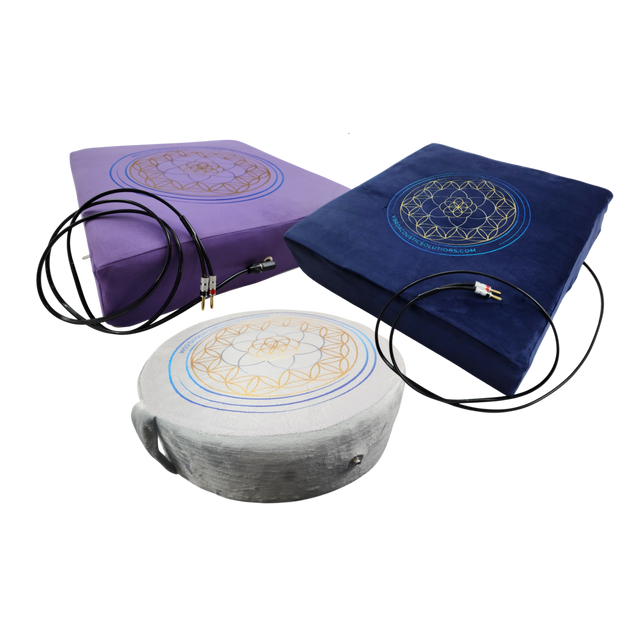
A vibroacoustic cushion is a more flexible choice for a couch, recliner, office chair, or existing bed. It concentrates the experience around the back, pelvis, or upper body rather than creating full-body contact. For a person who wants frequent short sessions without changing their living space, that convenience can matter more than maximum coverage.
For Massage and Bodywork Practices
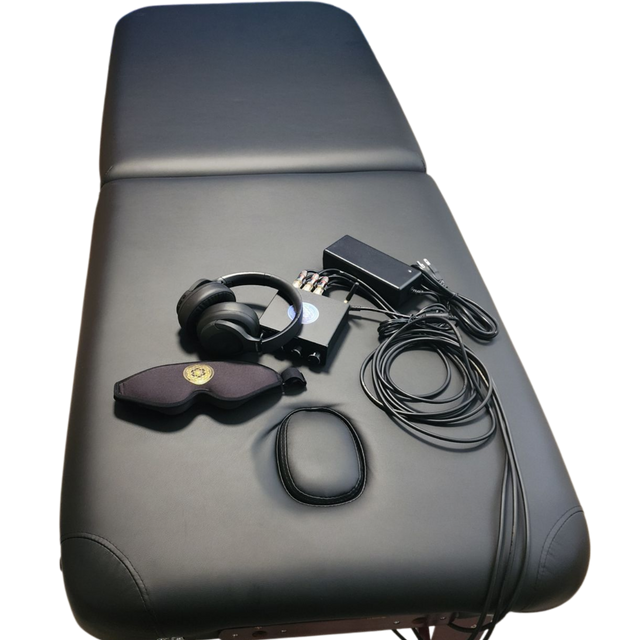
For massage therapists, chiropractors, somatic practitioners, and integrative health providers, a massage table attachment kit can add vibroacoustic input without requiring a separate treatment bed. The transducers are fitted to an existing table so clients can receive low-frequency stimulation while lying supine or prone, depending on the table design and treatment plan.
This option makes particular sense when table comfort, professional workflow, and room layout are already established. Confirm that the kit is compatible with the table’s material and structure. A lightweight or unstable table may transmit vibration differently than a solid wood or professional-grade table, and the system should not interfere with table adjustments, face cradles, bolsters, or client transfers.
For a Customized Setup
DIY conversion kits are designed for people who have a suitable platform and want more control over the finished setup. They can be a cost-conscious path to clinical-grade vibroacoustic capability, especially for practitioners outfitting a treatment room or homeowners adapting a favorite lounge chair or bed frame.
Customization requires care. The furniture must be structurally sound, and transducer mounting must allow vibration to move through the support surface rather than rattle against loose components. If you prefer a finished, ready-to-use experience, a purpose-built bed or cushion may be the better investment. If you value flexibility and are comfortable planning placement, a conversion kit can be highly effective.
Evaluate Frequency Range and Control
A system should reproduce the low frequencies used in vibroacoustic sessions clearly and comfortably. Look beyond a claim that equipment is “bass-powered.” Conventional speakers may produce audible bass without generating the controlled tactile vibration needed for a therapeutic experience.
The useful question is whether the system has transducers designed for low-frequency body contact and controls that let you adjust intensity. Volume is not just a comfort feature. It changes the amplitude of the vibration and therefore the sensory demand of a session. People with sensory sensitivity may prefer a very gentle starting level, while others may want a more substantial full-body experience.
Choose equipment that makes adjustments simple. Separate control of audio volume and vibration intensity can be valuable, particularly in a clinic where one client may prefer quiet ambient music with pronounced tactile vibration and another may want both at a lower level. A timer is also practical because it supports predictable sessions without the need to monitor the clock.
Audio source flexibility matters as well. Some users prefer low-frequency music, nature soundscapes, guided relaxation tracks, binaural-style listening, or carefully composed therapeutic programs. Others work with 40 Hz entrainment-oriented audio, 432 Hz music, Solfeggio tones, or the 7.83 Hz Schumann resonance as a meaningful part of a personal practice. A system that accepts your preferred audio source gives you room to build rituals and protocols that feel aligned with your goals.
Look Closely at Transducers, Construction, and Comfort
Transducer placement influences where vibration is felt. In a full-size bed, multiple transducers can create a more even experience across the torso and lower body. In a cushion, placement may focus vibration at the spine, ribs, or hips. Neither approach is automatically superior. A targeted sensation can be ideal for seated regulation, while wider distribution is often preferred for restorative lying-down sessions.
Pay attention to the surface between the transducer and the body. Dense foam, upholstery, wood, and table padding each filter vibration differently. Too much soft material can reduce tactile clarity; too little cushioning can make a session uncomfortable before the nervous system has time to settle. The goal is balanced contact: enough support to relax into the surface, with enough transmission to feel the frequencies distinctly.
For professional settings, choose materials that can be cleaned between clients and are built for repeated loading. For home settings, consider daily comfort, upholstery feel, pet and child use, and whether the system matches the room well enough to remain accessible. Equipment stored in a closet may be excellent hardware, but it is less likely to become part of a consistent care routine.
Consider Session Goals and User Sensitivity
A person seeking support for sleep may prioritize a quiet bed, low-intensity settings, and 20- to 40-minute sessions with slower soundscapes. Someone using vibroacoustic sessions after training may prefer a sturdy surface, stronger tactile output, and programs in the 30 to 60 Hz range. A practitioner working with clients who carry trauma-related tension or sensory dysregulation should prioritize gradual intensity control and an environment that feels predictable, private, and physically secure.
Start gently regardless of the system you choose. A short session at low intensity allows the body to become familiar with the sensation. Many people find that the most therapeutic setting is not the strongest vibration, but the one that supports steady breathing, comfort, and a sense of settling. If you are managing a health condition, are pregnant, have an implanted medical device, or have concerns about vibration exposure, discuss equipment use with a qualified healthcare professional.
Make the Purchase Decision Practical
Before selecting a system, decide where it will be used, who will use it, and how often. Then compare the total experience: frequency capability, transducer design, adjustability, surface comfort, installation requirements, and serviceability. A clinic may justify a dedicated bed because it creates a distinct therapeutic offering. A home user may get greater value from a cushion that can be used four evenings each week.
Vibroacoustic Solutions offers purpose-built beds, cushions, table attachment kits, and DIY conversion options because meaningful somatic technology should fit real spaces and real budgets. The best equipment is the one that helps you create a reliable, welcoming practice - one where low-frequency sound becomes a familiar cue for rest, recovery, and reconnection with the body.
Latest posts