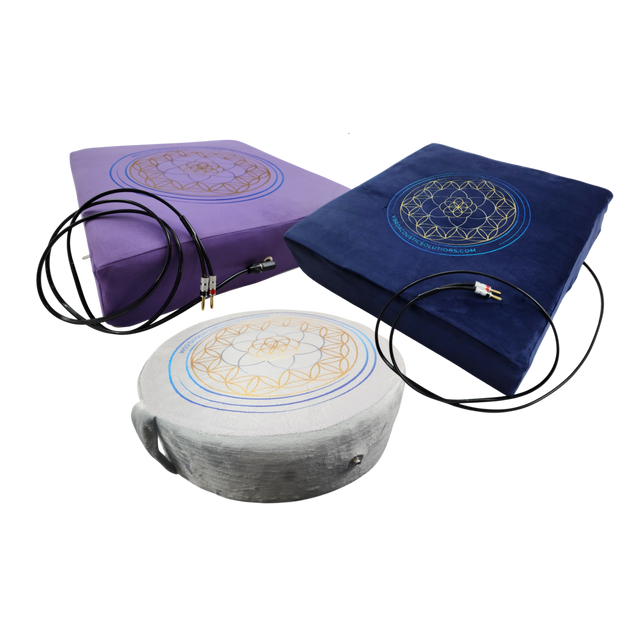
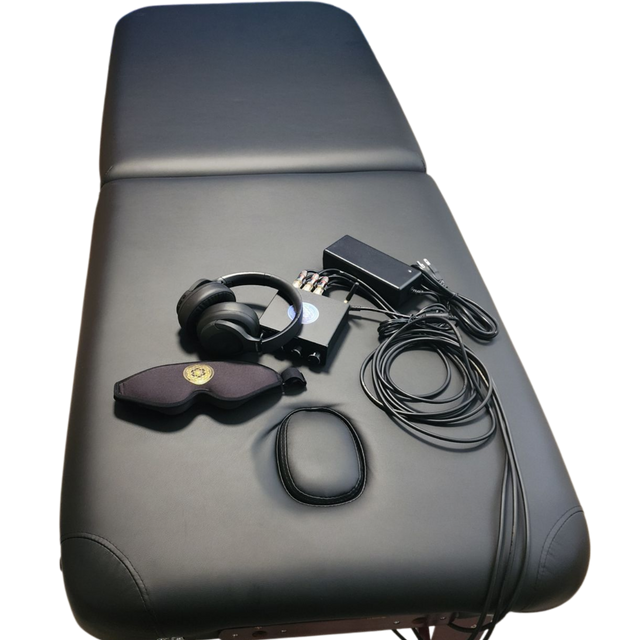
A low frequency session is different from simply listening to relaxing music. When sound is delivered through tactile transducers in a bed, cushion, or treatment table, it becomes physical sensation: a measured vibration moving through the body’s contact points. For people carrying chronic tension, sensory overload, poor sleep, or post-exertion fatigue, that distinction can make a session feel less like entertainment and more like a supported pause for the nervous system.
In vibroacoustic therapy, the goal is not intensity for its own sake. It is a carefully paced experience of low-frequency vibration, often paired with music, guided breathing, or quiet rest. The right session can give the body clear, predictable sensory input while creating space for downshifting, recovery, and greater body awareness.
How low frequency sessions work in the body
Sound is vibration. At lower frequencies, vibration has a longer wavelength and can be felt particularly clearly through the body when it is transmitted by a surface such as a vibroacoustic bed or massage table. Tactile transducers convert the audio signal into mechanical movement. Rather than hearing bass only through the ears, a person may feel a steady pulse through the back, hips, legs, or shoulders.
Many vibroacoustic programs work broadly within the 20 to 120 Hz range. Frequencies below about 20 Hz are generally described as infrasonic, while the lower audible range begins at 20 Hz. In a therapeutic setting, the felt component matters as much as the audible component. A frequency near 30 Hz may feel like a slow, substantial wave; 60 Hz can feel more focused and rhythmic; frequencies around 80 to 100 Hz can create a finer, more localized sensation depending on the transducer, surface, volume, and body position.
This mechanical input is sometimes described as cellular micro-massage. That phrase does not mean a device replaces hands-on care. It describes the gentle, repeated movement perceived through tissue while the person rests on the vibrating surface. The sensation also gives the brain organized sensory information: there is a clear beginning, rhythm, and endpoint. For an overstimulated system, predictability itself can be regulating.
Research on vibroacoustic therapy has explored outcomes related to relaxation, pain perception, mood, mobility, and quality of life across varied populations and protocols. Results differ because session length, frequency selection, music, condition, and equipment design vary widely. Still, studies frequently examine low-frequency vibration in ranges such as 30 to 80 Hz, often delivered for 20 to 45 minutes. That practical range remains a useful starting point for home users and practitioners alike.
What a well-designed session can support
Low frequency sessions are often used to support a shift from bracing to settling. Clients may notice a fuller exhale, softer jaw and shoulder tension, or a clearer sense of where their body is in space. These experiences are meaningful because the autonomic nervous system constantly reads signals of effort, safety, novelty, and rest from both the environment and the body.
Slow, comfortable vibration can complement other regulation practices by offering a bottom-up cue. Instead of asking a stressed person to think their way into calm, vibroacoustic input begins with sensation. Pairing the session with unhurried breathing, a dim room, or a familiar piece of music can reinforce that transition.
For recovery, the appeal is equally practical. After training, bodywork, long periods of sitting, or a demanding day on one’s feet, people often want something non-invasive that helps them stop gripping and reconnect with physical comfort. A 20- to 30-minute session may fit naturally into an evening wind-down routine or the final portion of a massage appointment.
For sensory needs, individual preference matters greatly. Some people with ADHD, autism, trauma-related hyperarousal, or general sensory dysregulation find steady tactile rhythm grounding. Others prefer a lighter setting, shorter exposure, or no audible music at all. The most therapeutic choice is the one that leaves the person feeling more settled, not more flooded.
Choosing a frequency range with intention
There is no single best Hz setting for every goal. The body does not experience frequency in isolation. Amplitude, waveform, music, body weight, transducer placement, room environment, and a person’s present state all shape the session. A 40 Hz program that feels pleasantly containing to one client may feel too activating to another.
A useful starting approach is to match the session to the desired quality of experience. Lower ranges around 20 to 40 Hz are often selected when the intention is deep grounding, rest, and broad full-body sensation. Mid-low ranges around 40 to 70 Hz can feel more rhythmic and may suit relaxation with a little more alertness. Ranges from 70 to 100 Hz can feel brighter or more targeted through certain areas of contact, especially on a cushion or table attachment.
Music can change the experience considerably. A musical track rich in low-end content gives the vibration an emotional and rhythmic context. Some people respond beautifully to ambient music, while others prefer simple tones, nature soundscapes, or quiet vibration with minimal audio. Traditional and contemplative frequency-based music, including Solfeggio-inspired compositions and 432 Hz tuning, can bring an added sense of ritual and meaning for listeners who connect with those traditions. In a clinical or home setting, the best soundtrack is often the one that helps the person feel safe enough to receive the session.
A practical starting plan for home use
For someone new to vibroacoustic therapy, shorter and gentler is usually wiser than trying to create a dramatic effect. Begin with a comfortable reclining or lying position, with the spine and joints supported. Set the vibration at a level that is clearly felt but never jarring, and choose a program in the 30 to 60 Hz range if your system allows direct frequency selection.
Start with 15 to 20 minutes, two or three times per week. Notice what happens during the hour afterward, not only what happens on the table. Do you feel quieter, sleepy, energized, emotionally open, or overstimulated? That response is useful feedback for the next session.
After several comfortable sessions, a person may extend to 30 minutes or adjust the frequency range. Consistency tends to be more valuable than chasing stronger stimulation. A repeatable evening practice, for example, can become a recognizable cue that the workday is over and the body can prepare for sleep.
Hydration, warmth, and a few minutes of unstructured rest after the session can help preserve its calming effect. Avoid immediately jumping into email, intense exercise, or a complicated task if your goal is nervous system downshifting.
Building low frequency sessions into professional care
For massage therapists, somatic practitioners, and integrative clinics, vibroacoustic therapy works best when it has a clear role in the treatment flow. It can be used for a 10- to 15-minute arrival period, giving clients time to settle before hands-on work. It can also serve as an integration period at the end of a session, when the nervous system has already received care and the client can rest without needing to perform or talk.
A practitioner should introduce the sensation before beginning: where the client may feel it, how long it will last, and how to signal if an adjustment is needed. This small orientation supports consent and can reduce uncertainty, particularly for clients with heightened sensory sensitivity.
Documenting simple observations can also improve programming over time. Track the frequency range, session duration, music style, intensity, body position, and client-reported response. Patterns emerge quickly. One client may consistently prefer 35 Hz with ambient music, while another responds better to a lighter 70 Hz setting during a brief reset between appointments.
Professional equipment options such as massage table attachment kits and vibroacoustic cushions can make this modality accessible without redesigning an entire treatment room. The essential consideration is not the size of the system. It is whether the vibration is evenly delivered, comfortably controlled, and easy to adapt to the person receiving care.
When to slow down or seek guidance
A low frequency session should feel supportive, not overwhelming. Reduce intensity, shorten duration, or stop if vibration causes discomfort, dizziness, agitation, numbness, or an unpleasant increase in symptoms. People who are pregnant, have implanted electronic devices, have a history of seizures, are managing an acute injury, or have a medical condition that may be affected by vibration should discuss use with an appropriate licensed healthcare professional before beginning.
This is also a place for clinical judgment. Vibroacoustic therapy can complement medical care, psychotherapy, physical therapy, and bodywork, but it is not a substitute for assessment or treatment when those services are needed. For practitioners, clear intake questions and referral relationships help keep the experience both therapeutic and responsible.
The most useful low frequency sessions rarely demand that the body change on command. They offer steady, intelligible sensation and enough time for the system to respond in its own way. That is where felt sound becomes more than bass: it becomes a repeatable condition for rest, reconnection, and recovery.
Latest posts


Sound Therapy for Trauma and Nervous System Regulation
Read article
Vibroacoustic Therapy Versus Sound Baths: Key Differences
Read article