A stressful day can leave the body braced long after the mind has decided it is safe to rest. Shoulders remain lifted, breathing stays shallow, and sleep becomes harder to reach. Sound based therapy for adults offers a direct, body-centered way to work with that pattern: low-frequency sound is heard through the ears and felt as gentle vibration through a bed, chair, cushion, or treatment table.
This is not simply music played through a speaker. In vibroacoustic therapy, transducers convert an audio signal into mechanical vibration. Those vibrations travel through the surface supporting the body, creating a tactile experience that can help make slow breathing, muscular release, and nervous system regulation more accessible. For home users, it can become a reliable recovery ritual. For practitioners, it can add a deeper somatic layer to massage, bodywork, and integrative care.
How Sound Based Therapy for Adults Works
The physical mechanism comes first. Audible sound is measured in hertz (Hz), or cycles per second. Higher frequencies are typically experienced primarily through hearing. Lower frequencies, particularly in the approximate 20 to 120 Hz range, can also be felt clearly by the body when delivered through a vibroacoustic surface.
A 30 Hz tone produces 30 cycles of vibration each second. At 40 Hz, the vibration feels somewhat more concentrated and rhythmic. Frequencies around 60 to 80 Hz may feel more energizing or muscle-focused for some people, while lower ranges such as 20 to 40 Hz are often selected for settling, grounding, and relaxation. The experience is personal because body size, tissue tension, sensory sensitivity, positioning, and the audio program all shape how vibration is perceived.
As the body rests on a vibroacoustic bed or cushion, the transducers create small, repeated movements at the contact points. This is sometimes described as cellular micro-massage: not a replacement for hands-on manual therapy, but a consistent mechanical stimulus that can help a person notice and release held tension. The soundscape, breath, and tactile rhythm work together. When the brain receives predictable sensory input in a comfortable environment, many adults find it easier to shift out of vigilance and into rest.
This relationship between rhythm and regulation is one reason slow, steady programs are frequently used for stress and sleep support. Research on vibroacoustic interventions has explored outcomes including perceived pain, anxiety, relaxation, motor function, and quality of life. Across clinical and wellness settings, researchers have found promising results, while also noting that session length, frequency selection, and delivery methods vary widely. That variation matters: a frequency that feels deeply calming to one client may feel too intense to another.
Where Adults May Feel the Difference
Adults often seek vibroacoustic therapy because they want support that reaches beyond thought-based stress management. A person may understand that they need to relax and still feel unable to do so physically. Low-frequency vibration gives the body a concrete signal to attend to.
For stress and nervous system regulation, sessions commonly use lower, steady frequencies paired with gentle music or nature-based sound. The goal is not to force relaxation. It is to create conditions where the body can gradually soften its protective response. A 20- to 30-minute session can be especially useful after demanding work, caregiving, travel, or emotionally intense days.
For sleep routines, a vibroacoustic session can serve as a transition between activity and rest. Many people use it in the evening with dim light, a supported body position, and frequencies that feel slow and even. The value is often in repetition. A familiar sensory ritual can help teach the body that it is time to downshift.
For physical recovery and persistent tension, users may prefer a program with more palpable frequencies in the 40 to 80 Hz range. These settings can feel grounding across the back, hips, legs, or shoulders after exercise, prolonged sitting, or bodywork. Comfort remains the guide. More intensity is not automatically more therapeutic, especially for a system already carrying fatigue or sensory overload.
Sound-based sessions can also be meaningful for adults with ADHD, autism-related sensory needs, or trauma-related tension. Predictable vibration may feel organizing and reassuring when it is offered with choice, clear boundaries, and the ability to adjust volume or intensity. Some people prefer full-body contact on a bed; others feel safer beginning with a smaller cushion under the legs, back, or feet.
A Practical Way to Begin at Home
The most effective first session is usually simpler than people expect. Start with 15 to 20 minutes, choose a comfortable position, and use an intensity that feels present but never overwhelming. You should be able to breathe easily and remain aware of your body without feeling rattled, pressured, or numb.
Before starting, set up the environment with four basics:
- Reduce competing stimulation by silencing notifications and lowering bright lights.
- Support the knees, neck, or lower back with pillows as needed.
- Begin with a low-frequency program around 20 to 40 Hz if relaxation is the goal.
- Give yourself a few quiet minutes afterward before returning to work, screens, or driving.
Consistency tends to matter more than occasional marathon sessions. Three 20-minute sessions each week may create a more useful rhythm than one long session when stress is already high. For sleep support, use the system at roughly the same time of evening. For recovery, pair it with hydration, comfortable movement, and adequate rest.
Choosing the Right Vibroacoustic Setup
The right system depends on where therapy will happen and how much of the body you want to involve. A full vibroacoustic bed creates an immersive experience and can be a strong fit for dedicated home wellness spaces, clinics, and sound therapy practices. It supports the entire body, allowing vibration to be experienced from shoulders through legs while the user remains fully reclined.
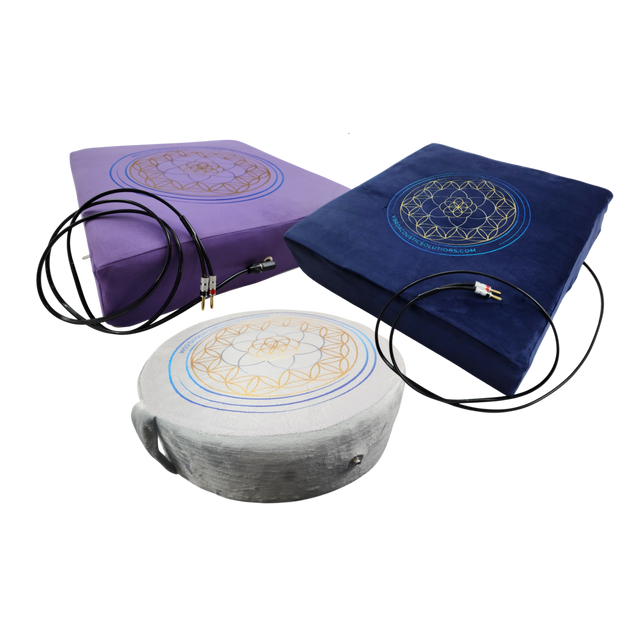
A vibroacoustic cushion is more flexible. It can fit into an existing chair, sofa, or bed routine, and it is often an approachable option for people who want targeted support or have limited space. A cushion can also help someone explore their sensory preferences before committing to a larger system.
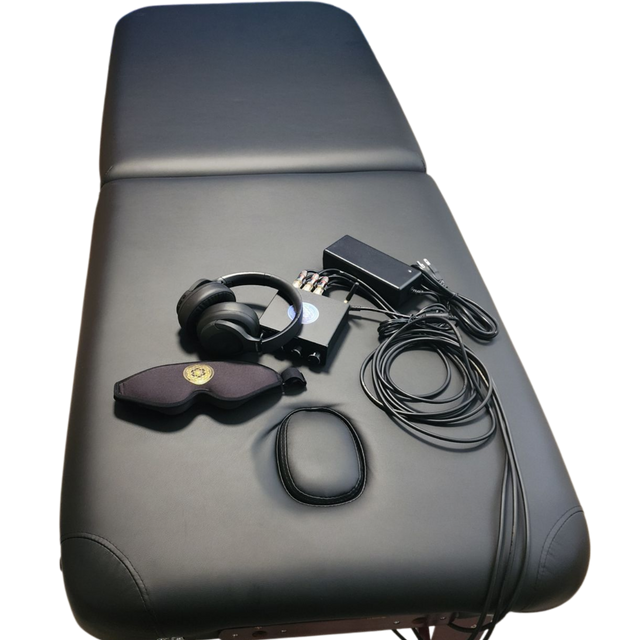
For massage therapists and bodyworkers, a massage table attachment kit can integrate low-frequency vibration into an established treatment environment. The client receives the familiar safety of the table while experiencing a new tactile component beneath them. This can work particularly well during grounding at the beginning of a session, quiet integration at the end, or restful intervals between hands-on techniques.
DIY conversion kits offer another path. When a practitioner already has a quality treatment table or a home user has a sturdy platform bed, transducers can transform existing furniture into a clinical-grade vibroacoustic surface. The key is proper installation and equipment designed to deliver clean low frequencies without excessive distortion or uneven vibration.
Vibroacoustic Solutions builds these options around accessibility without losing the science of somatic regulation. The aim is not to fill a room with more noise. It is to create a dependable physical experience that can be adjusted to the person, the setting, and the therapeutic intention.
Frequency Is a Conversation, Not a Prescription
There is understandable interest in specific tones, including 40 Hz programs, Solfeggio frequencies, 432 Hz music, and the 7.83 Hz Schumann resonance. These frequencies carry scientific, cultural, and personal significance for many people. Some are chosen for their rhythmic qualities, some for the emotional associations listeners bring to them, and some because a particular tone simply feels resonant in the body.
With vibroacoustic therapy, it helps to distinguish between the musical frequency you hear and the low-frequency vibration delivered through the equipment. A soundscape may include 432 Hz music, for example, while the transducers provide a separate 30 Hz tactile foundation. Together, they create a layered session: one part auditory, one part physical, and both shaped by the listener's response.
For practitioners, that means asking clients what feels supportive rather than assuming one frequency is universally best. Offer choices, start conservatively, and document the settings that produce calm, comfort, or ease. For home users, it means letting your experience guide the routine. A session should leave you feeling more settled, not depleted.
If you are managing a new, severe, or changing health concern, coordinate any wellness routine with your qualified healthcare provider. Vibroacoustic therapy is most useful when it sits within a thoughtful foundation of care, sleep, movement, nourishment, and appropriate clinical support.
The most valuable frequency is often the one that helps you return to your body with a little more steadiness. Make space to listen, adjust the settings with care, and let each session become a small, repeatable practice of recovery.
Latest posts