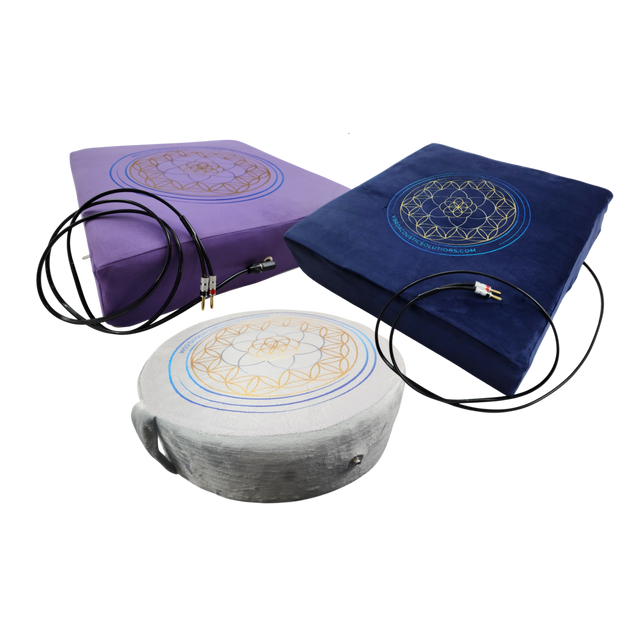
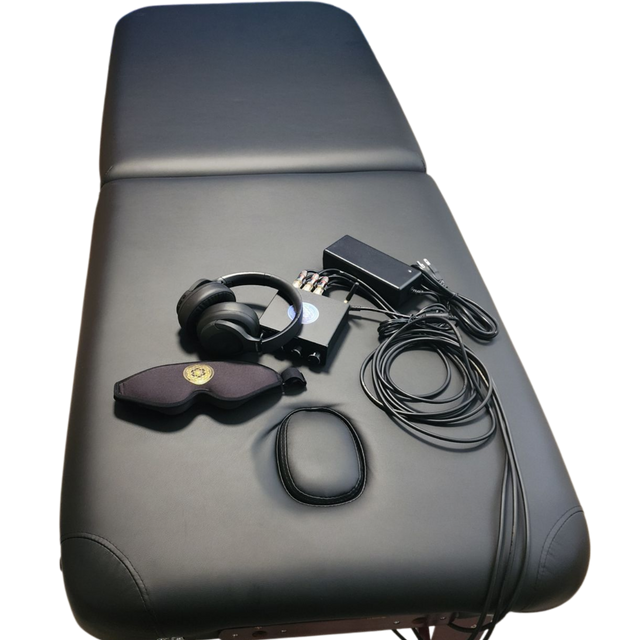
A Sound Bed is not just a place to lie down while music plays. In a therapeutic setting, it is a vibroacoustic system designed to transmit specific low-frequency sound waves through the body while the user rests in a supported position. That combination of audible sound and physical vibration can help regulate the nervous system, reduce muscle guarding, support recovery, and create a deeper sense of safety in the body.
For people dealing with chronic stress, poor sleep, pain, sensory overload, or trauma-related tension, that difference matters. A standard relaxation tool may feel pleasant. A properly designed Sound Bed is built to do something more precise - deliver measurable frequencies through the body in a way that supports somatic regulation and therapeutic outcomes.
What makes a Sound Bed different from a regular massage bed
The easiest way to understand a Sound Bed is to separate it from furniture that happens to vibrate. Consumer massage beds often rely on generic motors and broad vibration patterns intended for comfort. Vibroacoustic systems are different because they use transducers or speakers to convert sound frequencies into mechanical vibration that can be felt through the body.
That distinction changes the entire experience. Instead of random buzzing, the body receives frequency-based stimulation that can be programmed, repeated, and matched to therapeutic goals. Depending on the setup, those goals may include downregulation after stress, support for sleep, help with muscular tension, or a calming sensory environment for clients who struggle with overstimulation.
A clinical-grade Sound Bed is also designed around body contact. Placement, surface material, density, and transducer layout all affect how evenly the frequencies travel. If the body is not making the right kind of contact with the surface, the treatment becomes less consistent. That is one reason purpose-built vibroacoustic beds tend to perform differently than improvised setups.
How a Sound Bed works in the body
At the core of a Sound Bed is the principle that low-frequency sound can be both heard and felt. When those frequencies move through the body, they create gentle rhythmic stimulation that interacts with muscles, connective tissue, respiration, and the autonomic nervous system.
Many users describe the sensation as a full-body internal massage, but that phrase only captures part of what is happening. Vibroacoustic therapy is often used because rhythm and frequency can influence regulation. Slow, predictable input can help shift the body away from hyperarousal and toward a more settled state. In practical terms, that may mean slower breathing, reduced tension, less restlessness, and an easier transition into recovery or sleep.
This is also where the science of somatic regulation becomes relevant. The nervous system responds to sensory input continuously. When that input is safe, structured, and non-invasive, it can support co-regulation and self-regulation. A Sound Bed provides that input through vibration, sound, and stillness at the same time.
For some people, the benefit is immediate. They get off the bed feeling calmer and looser. For others, especially those with chronic pain, trauma-related bracing, or sensory sensitivity, the value may come from repeated sessions that gradually teach the body what a regulated state feels like.
Common uses for a Sound Bed
A Sound Bed can be used in both home and professional settings, but the application should match the person, the symptoms, and the treatment goal. The same system might be used very differently in a massage practice than in a home recovery routine.
Stress regulation is one of the most common entry points. People who live in a constant state of activation often struggle to relax through willpower alone. Frequency-based stimulation can provide a bottom-up pathway into calm by giving the body something rhythmic and predictable to organize around.
Sleep support is another major use case. When the body has trouble shifting out of alert mode, bedtime becomes a frustrating cycle of tension and overthinking. A Sound Bed may help by reducing physiological arousal before sleep, especially when used consistently as part of a nightly routine.
Pain and recovery are also frequent reasons people seek vibroacoustic therapy. While it is not a cure for underlying medical conditions, it may help reduce muscular guarding, improve perceived relaxation, and support circulation and rest. For clients recovering from stress-related burnout, intense workouts, or chronic tension patterns, that can be meaningful.
In sensory support settings, a Sound Bed may benefit individuals who need structured sensory input to feel grounded. This can be relevant for autism, ADHD, anxiety, and trauma-sensitive care, although response varies from person to person. Some clients need a very gentle introduction. Others respond well right away.
Sound Bed benefits and realistic expectations
The strongest claims about vibroacoustic therapy are usually the least helpful. A Sound Bed is not a miracle device, and people tend to trust it more when its benefits are framed honestly.
What it may do well is support the conditions under which healing and recovery happen more easily. It may help the body settle. It may reduce perceived stress. It may improve comfort during rest. It may deepen body awareness in people who feel disconnected from physical sensation. In clinical and wellness environments, it may also enhance the therapeutic container by making sessions feel more embodied and less cognitively effortful.
There are trade-offs. Not every person enjoys strong vibration. Some users prefer very low intensity. Others need careful screening if they have acute injuries, certain implanted devices, seizure disorders, or other contraindications that require professional judgment. A Sound Bed should be used thoughtfully, especially in practitioner settings where individual health status matters.
The best outcomes usually come from fit and consistency. Frequency selection, session length, body positioning, and user sensitivity all influence results. If the system is too weak, too harsh, or poorly matched to the goal, the experience may feel underwhelming.
Choosing the right Sound Bed for home or practice
If you are evaluating a Sound Bed, start with the intended use. Home users often need a setup that is easy to operate, comfortable for regular sessions, and affordable enough to use consistently. Practitioners usually need more flexibility, better durability, and a system that integrates into an existing treatment workflow.
Build quality matters more than many buyers expect. The surface has to support both comfort and frequency transmission. The internal components need to deliver reliable output without distortion. Cheap systems often fail in the same way: they produce vibration, but not the kind of controlled, therapeutic vibration that makes vibroacoustic therapy effective.
Programmability is another key factor. If you want to address different goals such as stress relief, recovery, or sleep support, it helps to have access to varied frequency tracks or structured protocols. The ability to tailor sessions is especially valuable for clinics where one client may need calming input and another may need a more activating or balancing approach.
Some practitioners do not need a full standalone bed. A massage table attachment kit or conversion system can be a smart option when space or budget is limited. That approach can make clinical-grade vibroacoustic therapy more accessible without requiring a full redesign of the treatment room. For many buyers, that balance of affordability and function is where the category becomes truly practical.
Who benefits most from a Sound Bed
The people who tend to benefit most are those whose symptoms involve dysregulation, tension, and difficulty shifting states. That includes adults under chronic stress, people with non-specific muscular pain, clients with sleep disruption, and those who feel stuck in high alert even when they are physically safe.
It can also be valuable for practitioners who want to add a nervous-system-centered modality without making their sessions more invasive or technically overwhelming. Massage therapists, somatic practitioners, integrative health providers, and wellness clinics often find that a Sound Bed supports the work they are already doing by helping clients settle faster and receive touch or therapeutic input more deeply.
For home users, the appeal is often simple: they want something evidence-based that helps them feel better in their own body. That does not mean they need a hospital-grade setup, but it does mean they need equipment grounded in the actual mechanics of vibroacoustic therapy rather than vague wellness branding.
A well-designed Sound Bed sits in that middle ground. It is calming, but not passive. Technical, but still approachable. And when it is built around the science of frequency, resonance, and somatic regulation, it becomes more than a relaxation tool. It becomes a practical way to support recovery, safety, and nervous system resilience in everyday life.
Latest posts


Vibroacoustic Systems for Therapeutic Regulation
Read article