A vibroacoustic bed vs recliner decision starts with more than comfort. Both use tactile transducers to convert low-frequency sound into physical vibration, allowing the body to feel sound as well as hear it. That mechanical input, commonly delivered in the 20-120 Hz range, travels through the contact surface into soft tissue and can create a deeply grounding sensory experience. The better choice depends on how you want to use vibroacoustic therapy: for full-body rest, targeted sessions, professional treatments, or convenient daily regulation.
How vibroacoustic therapy works in a bed or recliner
Vibroacoustic therapy pairs low-frequency vibration with music, tones, or therapeutic audio. A transducer functions differently from a conventional speaker. Rather than primarily moving air to create audible sound, it transfers energy into the furniture itself. The mattress, cushion, or upholstery becomes the surface that carries the frequency to the body.
Lower frequencies are especially relevant because they are felt physically. Frequencies around 20-40 Hz are often experienced as slow, substantial pulses, while the 40-80 Hz range can feel more rhythmic and enveloping. Higher low-frequency ranges, often between 80-120 Hz, may feel more localized or activating depending on the audio track, transducer placement, volume, and the individual's sensory preferences.
This matters for somatic regulation. Steady, predictable sensory input can give the nervous system a clear physical reference point: a repeated rhythm, a sense of contact, and an invitation to settle into the body. For some people, this supports relaxation before sleep. For others, it provides a structured sensory environment during recovery, massage, meditation, or a difficult period of stress.
A bed and a recliner can both deliver this input effectively. The meaningful difference is the body's position, the size of the contact area, and whether the system supports a dedicated therapeutic session or fits into everyday life.
Vibroacoustic bed vs recliner: the central difference
A vibroacoustic bed is designed for horizontal, full-body contact. When someone lies down, vibration can be distributed from the shoulders through the back, hips, legs, and feet, depending on the transducer configuration. This creates an immersive field of tactile sound that is well suited to longer sessions and deep rest.
A vibroacoustic recliner supports the body in a seated or semi-reclined position. Contact is concentrated through the back, seat, and sometimes the legs or headrest. The experience can still be powerful, but it is usually more contained. That can be an advantage for people who do not enjoy lying flat, have limited space, want easy entry and exit, or prefer to use therapy while reading, listening, or winding down after work.
Neither format is automatically more therapeutic. A full-body setup may be the stronger fit for a practitioner building a treatment environment, while a recliner may be the option a home user reaches for consistently. Consistency matters. A system that is accessible, comfortable, and simple to use is more likely to become part of a meaningful regulation routine.
When a vibroacoustic bed is the better choice
A bed is often the most complete option for people seeking a dedicated restorative space. Supine positioning reduces the demand to hold the body upright, which can make it easier to notice breathing, muscular release, and the gradual effect of low-frequency stimulation. The larger surface also gives audio designers and practitioners more room to distribute transducers across the body.
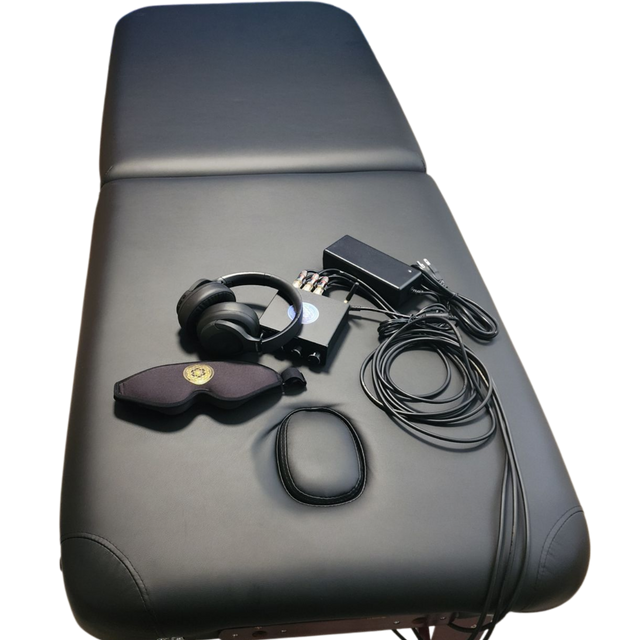
For massage therapists, somatic practitioners, and integrative clinics, a vibroacoustic bed or treatment-table attachment can enhance a session without asking clients to actively do more. The client can remain comfortably supported while the practitioner uses intentional audio to establish a calm, predictable sensory foundation. It can be especially useful before hands-on work, during a quiet integration period, or as a stand-alone relaxation offering.
A bed is also a strong choice when sleep support is a primary goal. A session in the 30-60 Hz range, paired with slow music or gentle tonal content, can become part of a pre-sleep ritual. The goal is not to force sleep. It is to create conditions that may help the body transition out of constant activation and into rest.
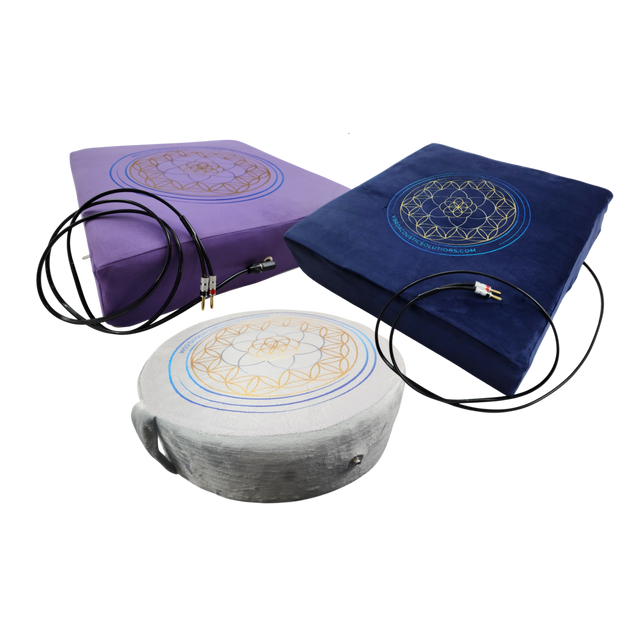
The trade-off is footprint. A dedicated vibroacoustic bed needs room, and a purpose-built system may be more than some home users need. If a full bed is not practical, a conversion kit or vibroacoustic cushion can bring tactile sound to an existing mattress, massage table, or lounge surface.
Best uses for a bed
A bed tends to fit best when the priority is full-body immersion, extended sessions, treatment-room use, post-exertion recovery, or a consistent bedtime practice. It is also ideal for people who find a horizontal position naturally calming and safe.
When a vibroacoustic recliner is the better choice
A recliner offers a different kind of therapeutic practicality. It takes up less space than a bed, feels familiar to many users, and can be placed where daily life already happens. That lowers the barrier between intending to use a therapy tool and actually using it.
For someone navigating stress, sensory overload, ADHD-related restlessness, or end-of-day tension, a 15- to 30-minute recliner session may feel more approachable than going to a separate room and lying down. Semi-reclined positioning can also be preferable for people who experience discomfort when flat or who want to remain more alert during a session.
The recliner format can work particularly well with vibroacoustic cushions and DIY conversion systems. A properly positioned transducer behind the mid-to-lower back or beneath the seat can provide clear tactile sensation without requiring a complete furniture replacement. This is one reason accessible, modular systems are valuable: the therapeutic technology can adapt to the environment rather than demanding a full redesign of it.
For a clinic, a recliner can be useful in a reception-area wellness nook, a shorter-session room, or a space intended for clients who benefit from a less formal setup. It can also support seated practices such as guided breathwork, meditation, sound-based relaxation, or recovery after a demanding appointment.
The limitation is contact area. A recliner generally cannot provide the same continuous whole-body vibration as a bed, particularly through the legs and feet. Some people also find that the contours and padding of a recliner soften the felt vibration. This can be adjusted through transducer placement, amplifier settings, and audio selection, but the experience remains more localized by design.
Best uses for a recliner
A recliner is often the right fit for compact homes, frequent short sessions, seated comfort, and users who want vibroacoustic therapy integrated into an existing daily routine. It is also a sensible starting point for those exploring tactile sound for the first time.
Frequency delivery and setup matter more than furniture alone
The furniture format matters, but setup quality often determines whether the session feels diffuse, clear, gentle, or intense. Transducer placement should align with the parts of the body you want to engage. On a bed, placement near the torso and pelvic region often creates a broad, centered sensation. In a recliner, the back and seat panels are usually the key contact zones.
Audio also changes the experience. Sustained tones can create a smooth vibratory field, while rhythmic music can provide a more noticeable pulse. Some listeners are drawn to 432 Hz music, Solfeggio tones, or nature-based soundscapes because of the meaning, emotional resonance, and ritual they bring to a session. Others prefer clinically oriented low-frequency programs designed around steady pacing and nervous system regulation. Both approaches can belong in a thoughtful practice.
Start conservatively. A frequency that feels comfortably present is usually more useful than one that feels overwhelming. Give the body time to respond, especially for people with sensory sensitivity. A 10- to 20-minute session is often enough to learn how a particular track, position, and intensity level feels.
Choosing the format that people will actually use
Choose a vibroacoustic bed if you want a full-body therapeutic environment, longer rest-based sessions, or a versatile foundation for professional care. Choose a recliner if you value convenience, a smaller footprint, and a familiar seated setting that supports frequent use.
There is also a practical middle path. A vibroacoustic cushion, massage table attachment, or DIY conversion kit can create a clinical-grade tactile sound experience from furniture you already own. Vibroacoustic Solutions designs systems with that flexibility in mind, helping home users and practitioners build a setup around their space instead of postponing support until the perfect room or furniture arrives.
The best system is the one that gives the body a reliable place to pause. Whether that place is a treatment bed or a favorite recliner, low-frequency sound can become a steady sensory cue for rest, recovery, and a more regulated relationship with the day.
Latest posts