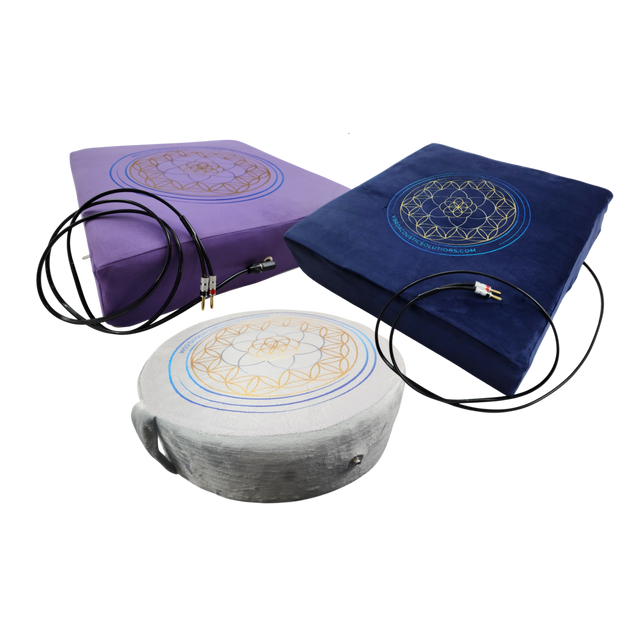
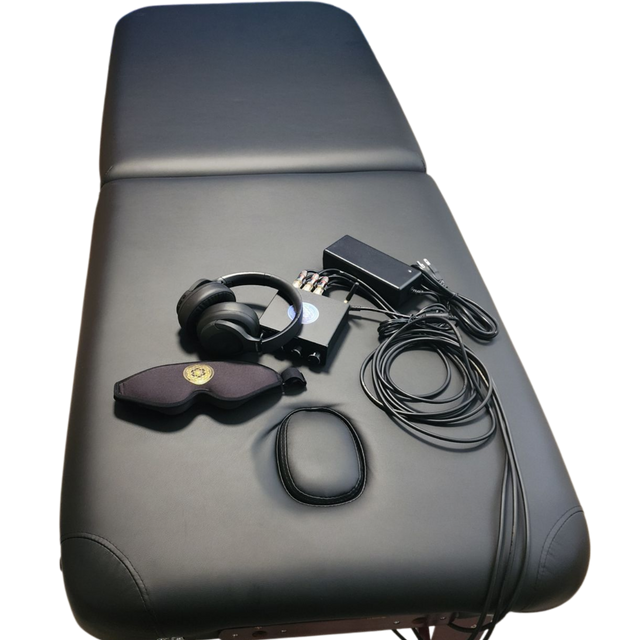
A useful vibroacoustic equipment buyer review begins beneath the surface of the furniture. A vibroacoustic system is not simply a speaker built into a mat, bed, or table. It uses tactile transducers to convert an audio signal into precisely felt vibration, allowing low-frequency sound to travel through the body by direct contact. The result can be deeply grounding: sound is heard through the ears and experienced through the muscles, connective tissue, and sensory system.
For a home user, that may mean a more supported evening routine for stress, tension, sleep preparation, or recovery. For a practitioner, it can add a regulated, whole-body sensory layer to massage, somatic work, sound therapy, and integrative care. The best choice depends less on the word “clinical” on a product page and more on the frequency capability, transducer design, comfort, workflow, and level of control you actually need.
What Vibroacoustic Equipment Should Deliver
Vibroacoustic therapy typically emphasizes lower frequencies, often in the 20 to 120 Hz range. These frequencies are felt particularly clearly because they create slow, physical oscillations rather than only audible musical detail. Around 30 to 80 Hz, many users describe a steady, settling sensation through the torso, hips, and back. Frequencies approaching 80 to 120 Hz can feel more localized, active, or stimulating depending on the program, volume, and contact area.
The hardware matters because low frequencies require efficient transfer. A well-designed tactile transducer creates vibration where the body meets the surface. If the transducer is poorly positioned, underpowered, or disconnected from a stable structure, much of that energy is lost as rattling furniture, uneven sensation, or sound that is louder than it is therapeutic.
Research on vibroacoustic interventions has explored outcomes including relaxation, pain experience, muscle tone, anxiety, and quality of life. Small clinical studies and reviews have reported promising changes in comfort and relaxation measures, while also showing why session design matters. Frequency, intensity, duration, music selection, positioning, and the individual’s sensory profile all shape the experience. Equipment should therefore give you enough consistency to work intentionally, not just produce a dramatic vibration.
Vibroacoustic Equipment Buyer Review: Start With Your Setting
The first purchasing question is simple: where will the system live, and who will use it?
A dedicated vibroacoustic bed offers the most immersive full-body contact. It is often the right choice for wellness rooms, sound therapy studios, integrative clinics, and home users creating a dedicated regulation space. A bed distributes tactile sound across a larger body area, which can be especially appealing for longer restorative sessions.
A cushion is more compact and flexible. It can support seated meditation, desk recovery, reading, breathwork, or use on an existing sofa or chair. It will not create the same full-body field as a bed, but it can be the more realistic choice for apartments, shared homes, and practitioners who travel between locations.
For massage therapists and bodyworkers, a table attachment kit is often the strongest fit. It preserves a familiar treatment table while adding a vibration-based sensory component underneath the client. This format helps a practitioner integrate vibroacoustic therapy without redesigning the room or purchasing a large standalone unit.
A DIY conversion kit is worth considering when you already own sturdy furniture or a treatment table and want a more affordable path into the modality. The trade-off is installation. You need to evaluate the frame, underside access, weight capacity, cable routing, and mounting surface. A conversion can perform beautifully when it is installed on a stable, compatible structure. It is less ideal if you want a ready-to-use system with minimal setup.
Frequency Range Is More Useful Than Marketing Language
Do not choose a system based on wattage alone. Wattage can describe amplifier power, but it does not tell you how evenly vibration reaches the body, how low the system can reproduce frequencies, or whether the frame will resonate cleanly.
Look instead for a system designed to reproduce the low-frequency range used in vibroacoustic sessions. A practical target is coverage beginning near 20 or 30 Hz and extending through at least 100 Hz. This gives room for slow, deeply felt programs as well as more varied therapeutic audio. The physical response at 20 Hz will naturally feel different from 60 Hz, even when the perceived loudness is similar.
Ask how the system handles source audio. Some equipment is designed for dedicated vibroacoustic tracks, while other setups can accept a phone, tablet, computer, or professional audio source. Bluetooth is convenient for home use, but wired input can be preferable in a clinical setting where reliability and consistent signal quality matter.
The amplifier should provide controlled output without distortion. When low-frequency audio is pushed too hard through an unsuitable surface, the experience can become buzzy or abrupt. The goal is a clear, steady tactile response that feels present in the body, not a piece of furniture that shakes indiscriminately.
Transducer Placement Changes the Experience
One transducer at the center of a surface can create a concentrated sensation. Multiple transducers, placed strategically, can improve distribution across the shoulders, spine, pelvis, or legs. Neither configuration is automatically better. A compact cushion may benefit from a focused tactile point, while a full-size bed generally needs broader coverage to avoid dead zones.
For a massage table, placement should complement how clients lie during sessions. Consider whether the system reaches the thoracic spine and pelvis comfortably in both prone and supine positions. Also think about face-cradle use, bolsters, sheets, and padding. An attachment that performs well on a bare table may feel different once your normal treatment setup is in place.
Comfort Is Part of the Therapeutic Design
A system can have excellent frequency capability and still be a poor fit if people do not want to stay on it. For home use, assess mattress thickness, upholstery, edge support, dimensions, and how easily you can enter and exit the surface. A bed used for 20- to 45-minute sessions should support neutral positioning, especially through the neck, knees, and low back.
In a professional setting, cleaning requirements deserve equal attention. Nonporous, wipeable surfaces can simplify turnover between clients. If you use linens, test the vibration response with the materials you normally use. Thick foam, dense blankets, and heavily padded toppers can soften tactile transmission, sometimes pleasantly and sometimes too much.
Noise is another overlooked factor. Low frequencies may travel through floors, walls, and furniture, particularly in upstairs treatment rooms or shared buildings. A system that feels quiet to the person lying on it may still create structural vibration elsewhere. If discretion is important, ask about isolation feet, placement recommendations, and the expected room sound at common operating levels.
Controls, Programs, and Practitioner Workflow
A home user may only need simple volume control and a reliable way to play a carefully selected session. Simplicity can encourage regular use, which is often more valuable than a complex interface with settings that never get touched.
Practitioners usually benefit from greater control. The ability to select tracks, adjust volume gradually, pause quickly, and match a session to a client’s tolerance can make the system easier to integrate into real care. A gentle ramp-up is especially valuable for clients who are new to tactile sound or have heightened sensory sensitivity.
Consider your programming approach. Some practitioners use sustained frequencies, others use music embedded with low-frequency stimulation, and others incorporate rhythmic protocols alongside breathwork or hands-on therapy. Frequencies such as 40 Hz, 60 Hz, and 80 Hz may be experienced very differently from one person to the next. The equipment should support thoughtful experimentation within a safe, comfortable volume range.
Budget for the Whole System, Not Just the Surface
The most affordable item is not always the least expensive choice over time. Include the cost of an amplifier, cables, audio source, installation, room preparation, and any accessories needed for sanitary or comfortable sessions. If you are converting an existing table, budget for the time required to install and test the equipment properly.
For a clinic, calculate the value in terms of workflow. Can the system support the type of appointments you already offer? Does it help create a differentiated session without adding a complicated setup between clients? A system that saves five minutes of preparation per appointment can be more practical than one with more features but more friction.
Vibroacoustic Solutions offers beds, cushions, massage table attachment kits, and DIY conversion options, which makes it possible to select a format around your existing space rather than forcing your practice or home around one type of equipment.
Safety and Fit: Build Confidence Before Intensity
Vibroacoustic therapy is non-invasive, but more intensity is not automatically more beneficial. Begin with comfortable volume, shorter sessions, and clear feedback from the user or client. The experience should feel settling, tolerable, and easy to stop or adjust.
Follow the equipment manufacturer’s use instructions. Individuals who are pregnant, have implanted electronic devices, have an acute injury, or are managing a complex health condition should consult an appropriate healthcare professional before using vibration-based equipment. In a practice, informed consent and a simple intake conversation can help identify whether a lower-intensity approach or a different service is more appropriate.
The best purchase is the one that invites consistent, well-supported use. Choose equipment that delivers clean low-frequency vibration, fits the body and the room, and gives you enough control to make each session feel intentional. When tactile sound is delivered with care, a treatment table, cushion, or bed becomes more than furniture. It becomes a quiet place where the nervous system has room to settle.
Latest posts