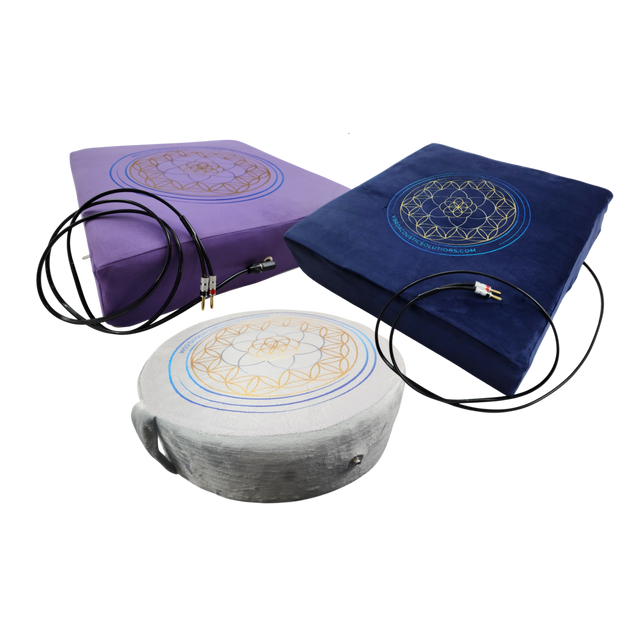
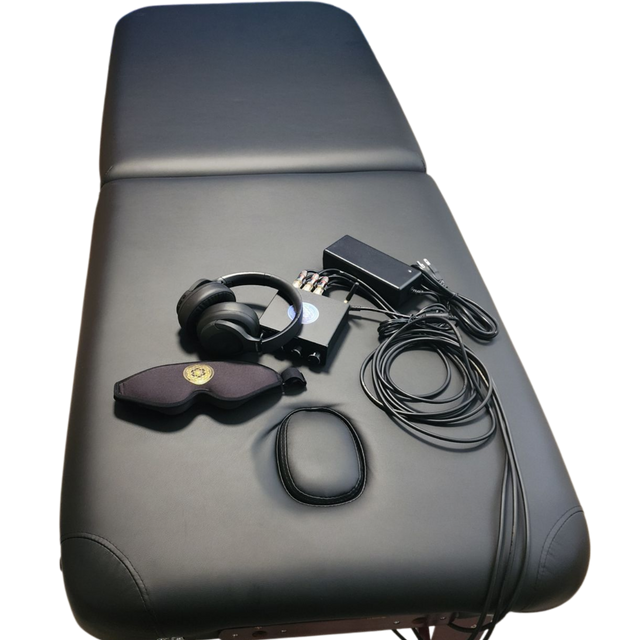
A vibroacoustic session is only as effective as the body’s connection to the system. Low-frequency sound must travel from the transducer through the bed, cushion, or table and into the body with minimal interruption. That is why vibroacoustic session accessories are not merely finishing touches. The right components protect signal quality, support comfortable positioning, and help the nervous system stay settled enough to receive the session.
For a home user, that may mean a supportive pillow and a simple audio control setup. For a massage therapist or somatic practitioner, it may mean washable covers, cable management, positioning bolsters, and an amplifier configuration that delivers consistent output throughout a full treatment day. Each choice should serve the same purpose: creating a safe, repeatable therapeutic environment where low-frequency vibration can be felt clearly and comfortably.
Start With the Signal Path
Vibroacoustic therapy uses audible sound and tactile vibration together. A transducer converts the electrical audio signal into mechanical vibration, typically emphasizing low frequencies that the body can feel through contact with a surface. Frequencies in the approximate 20 to 120 Hz range are commonly used in vibroacoustic applications because they create distinct tactile sensations in the body. Lower ranges, such as 30 to 60 Hz, often feel grounding and deeply physical, while higher low-frequency ranges can feel more rhythmic or stimulating depending on volume, music, and placement.
Every accessory in the signal path can affect that experience. An underpowered amplifier may limit the transducer’s ability to reproduce low frequencies. A loose cable can introduce intermittent sound or vibration. A thick, overly cushioned layer between the client and the vibroacoustic surface can soften tactile transmission.
This does not mean a session needs to feel intense to be useful. In fact, many people respond best to a clearly perceptible but comfortable level of vibration. The goal is not maximum output. It is stable, even delivery that allows the body to relax rather than brace.
Amplifiers and volume control
An amplifier matched to the system’s impedance and power requirements is foundational. It should deliver enough clean power to reproduce low-frequency content without distortion, rattling, or sudden shifts in volume. Distortion is more than an audio issue. Because vibration follows the audio signal, a distorted signal can make the tactile experience feel uneven or distracting.
Accessible volume control is equally valuable. Home users may prefer a simple, clearly labeled control placed within reach. In a clinic, the practitioner should be able to adjust volume without interrupting bodywork, conversation, or the client’s resting state. Begin conservatively, then increase only if the client wants more sensation and continues to feel comfortable.
Cables, connectors, and power protection
Reliable cables are quiet infrastructure. Quality speaker cables and secure connectors help maintain consistent energy transfer from the amplifier to the transducer. Choose a cable length that reaches comfortably without creating loops around the treatment area, where it can become a trip hazard or pull against a connector.
A surge protector or power conditioner can be a sensible addition for professional settings with several electronic devices. It helps organize the power supply and can reduce the disruption of a transient power event. Keep power cables and audio cables orderly and inspect them regularly for wear, especially in busy treatment rooms.
Comfort Accessories That Preserve Vibration
The physical mechanism of vibroacoustic therapy depends on contact. When a client lies on a vibroacoustic bed, reclines against a cushion, or rests on a converted massage table, the body receives micro-movement through tissue and skeletal structures. This gentle mechanical stimulation is often experienced as a whole-body massage from within.
Comfort accessories should improve alignment without isolating the body from the vibrating surface. The best choice depends on the person, the position, and the system itself.
Pillows and bolsters
A low-profile head pillow can reduce neck strain while keeping the upper back connected to the surface. For supine sessions, a bolster under the knees may ease tension in the low back and hips. In side-lying positions, support between the knees and beneath the upper arm can help maintain a neutral spine.
The trade-off is thickness. A large memory-foam topper or heavily padded pillow may feel luxurious, but it can absorb some vibration before it reaches the body. Start with thinner, supportive accessories and adjust according to comfort and sensory preference. Clients with pain sensitivity, hypermobility, pregnancy-related positioning needs, or sensory differences may require more support, while others prefer direct contact and a stronger tactile experience.
Blankets and weighted layers
A light blanket can increase warmth and felt safety, particularly during longer sessions intended for rest or nervous system regulation. Warmth may help the body soften into the surface, making subtle vibration easier to notice. Choose breathable materials that do not bunch beneath the body.
Weighted blankets can be meaningful for people who appreciate deep-pressure input. Their use is highly individual. A lighter weighted layer may pair well with a low-volume session, while a heavier option can change how much vibration is perceived and may feel restrictive for some clients. Always make sure the person can easily remove it and communicate their comfort level.
Hygiene Accessories for Professional Use
In a clinical-grade wellness environment, hygiene is part of the therapeutic container. It communicates care before the session even begins and helps practitioners turn over the room efficiently without compromising equipment.
A fitted, washable cover designed for the dimensions of the vibroacoustic bed or cushion is generally preferable to loose layers that slide, wrinkle, or muffle vibration. Use breathable fabrics that can withstand repeated laundering. For massage table attachment kits, a clean table sheet or fitted protective layer should still allow close contact between the client and the vibrating surface.
Keep a dedicated set of face-cradle covers, pillowcases, and blankets for vibroacoustic sessions. This simplifies workflow and makes it easier to maintain consistent sanitation practices. If using disinfectant on hard surfaces, follow the equipment manufacturer’s material guidance and avoid allowing moisture near transducers, electrical connections, or ventilation openings.
Audio Accessories That Shape the Session
The audio program is not separate from the tactile experience. It is the source material that guides the transducer. Music with intentional low-frequency content can create a more coherent body-based session than audio that is thin, compressed, or dominated by high frequencies.
A reliable playback device, whether a dedicated tablet or audio player, helps maintain consistency. Turn off notifications and use downloaded tracks when possible so an incoming call or unstable connection does not interrupt the session. Closed-back headphones can offer privacy in shared settings, but room speakers may be more appropriate when a client benefits from hearing the music in the space as well as feeling it through the body.
Some practitioners build sessions around slow rhythmic pulses, drone-based music, nature soundscapes, or carefully designed frequency tracks. Tones such as 40 Hz are of particular interest in sensory and neurological research, while low-frequency ranges around 30 to 80 Hz are often chosen for their strong tactile presence. Sacred tones, 432 Hz music, and other resonant traditions can also create a meaningful ritual context for clients who feel connected to them. The most suitable audio is the one that supports the client’s intention without overstimulating the system.
Small Details That Improve Clinical Workflow
A well-designed session room does not require a long list of accessories. It needs a few dependable tools placed where they are useful. A small rolling cart can hold the amplifier, playback device, cleaning supplies, fresh linens, and intake materials. A dimmable lamp is usually more supportive than harsh overhead lighting. A timer allows the practitioner to stay present rather than repeatedly checking a phone.
For practitioners, document the client’s preferred position, volume range, program type, and any sensory considerations after each session. Over time, this creates a more personalized approach while helping you identify patterns. One client may settle best with a 30-minute supine session at a gentle 40 to 50 Hz tactile emphasis; another may prefer a shorter, more rhythmic protocol while seated with a vibroacoustic cushion.
Vibroacoustic Solutions systems are designed to make this level of customization possible across beds, cushions, table attachments, and DIY conversions. The accessories around the system should make setup easier, not more complicated.
Choose Accessories Around the Person, Not the Product
The most useful accessory is the one that removes a barrier to comfort, clarity, or consistency. Before adding anything, ask a practical question: Will this improve body positioning, protect hygiene, strengthen reliable signal delivery, or help the person feel safe enough to rest?
A carefully positioned bolster, a clean fitted cover, and stable low-frequency audio often do more for a session than a room full of extras. When the body is supported and the vibration is clear, the technology can do what it was designed to do: offer a steady, non-invasive sensory experience that meets the nervous system with rhythm, contact, and care.
Latest posts