A sound therapy session can look deceptively simple: a practitioner strikes a bowl, plays a carefully selected track, or invites a client to rest on a vibrating treatment surface. But what equipment do sound therapists use to create a session that feels safe, intentional, and physically therapeutic? The answer ranges from acoustic instruments that shape the listening experience to clinical-grade vibroacoustic systems that deliver low-frequency sound directly through the body.
The key distinction is how sound reaches the client. Airborne sound travels through the ears and is processed by the auditory system. Vibroacoustic sound uses transducers to convert low-frequency audio into mechanical vibration, allowing the body to feel frequency through the back, muscles, and connective tissue. Both approaches can have a place in a thoughtfully designed practice.
The core equipment sound therapists use
Sound therapists build their equipment around their therapeutic setting, training, and client goals. A group sound bath calls for a different setup than a massage clinic supporting recovery, sensory regulation, or deep relaxation. Most professional spaces combine several tools rather than relying on one instrument.
Singing bowls, gongs, and acoustic instruments
Singing bowls are among the most recognized sound therapy tools. Tibetan and Himalayan-style metal bowls, crystal bowls, gongs, chimes, drums, and monochords produce rich layers of audible tone and overtones. Practitioners may play them around the body, in a room-based sound bath, or near a treatment table.
Their value lies partly in their acoustic complexity. A bowl does not produce a single isolated note. It creates a fundamental pitch alongside interacting overtones that change as the sound decays. Many people experience this as spacious, grounding, or deeply absorbing. In traditional and contemporary wellness settings, bowls and gongs also carry meaningful ceremonial and contemplative associations.
These instruments are highly portable and do not require electricity, but their effects depend on room acoustics, playing technique, volume, and the client’s sensitivity to sound. A small treatment room may need fewer instruments and more controlled dynamics than a large group session.
Tuning forks
Tuning forks create a clear, stable frequency and are commonly used for focused work near the ears, around the body, or in contact applications when the practitioner is trained to use them appropriately. Weighted tuning forks produce a stronger felt vibration than unweighted forks and are often placed on bony areas or held against the body through a session protocol.
Common tuning fork sets include frequencies such as 128 Hz, 256 Hz, and 512 Hz, as well as systems built around musical intervals or traditional frequency concepts. Because these tools are precise and quiet, they can work well in one-to-one sessions where the practitioner wants a less immersive, more localized sound experience.
Voice, breath, and simple rhythm tools
A practitioner’s voice is also equipment in the broadest sense. Humming, toning, guided breath, chanting, and vocal resonance can shape a client’s pace of breathing and attention. Frame drums, ocean drums, rattles, and gentle percussion may support rhythmic entrainment, especially in grounding-oriented sessions.
Rhythm matters because the nervous system responds to repetition and predictability. Slow, steady tempos can help create a sense of safety and orientation, while more active rhythmic work may be used for energizing or expressive experiences. The right choice depends on the person in front of the practitioner, not a one-size-fits-all frequency prescription.
Vibroacoustic equipment: when sound becomes touch
Vibroacoustic therapy uses specialized hardware to reproduce low-frequency sound as tactile vibration. The client lies or sits on a surface containing one or more transducers, sometimes called tactile speakers or bass shakers. These devices receive an audio signal and move in response to the waveform, creating vibration that travels into the body.
Low frequencies are central because they are felt as much as heard. Clinical and therapeutic vibroacoustic programs commonly work within approximately 20 to 120 Hz, with many applications concentrating around 30 to 80 Hz. Within this range, the experience can feel like a slow, steady internal massage rather than a conventional speaker playing bass in the room.
Research into vibroacoustic therapy has explored outcomes including relaxation, pain perception, muscle tone, sleep quality, and stress-related symptoms. Across clinical and rehabilitation settings, protocols often pair low-frequency vibration with calming music, guided relaxation, or a quiet rest period. The mechanism is practical: rhythmic mechanical stimulation provides sensory input through the body while music and environment support autonomic regulation.
Vibroacoustic beds and treatment tables
A vibroacoustic bed is a full-body platform with built-in transducers positioned to distribute vibration across the back and lower body. It is often the centerpiece of a dedicated therapy room because it gives the practitioner consistent placement, stable sound delivery, and a comfortable surface for 20- to 45-minute sessions.
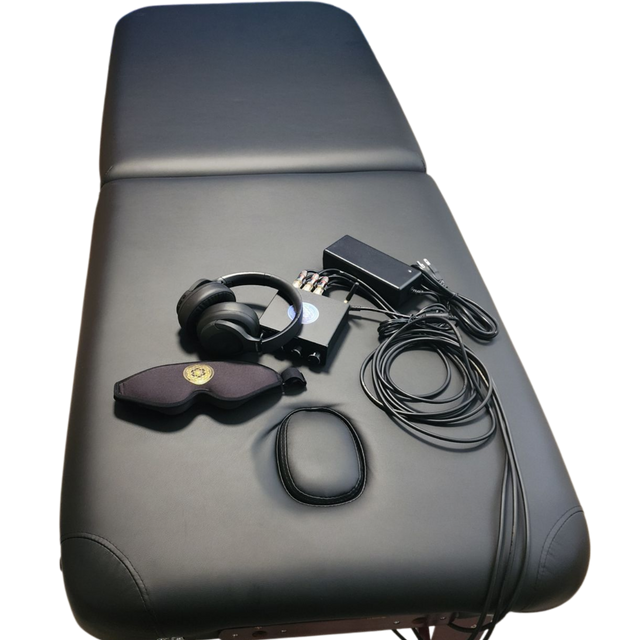
For massage therapists and bodyworkers, a vibroacoustic massage table attachment kit can add this capability without replacing an existing table. This is an efficient option when table height, room layout, and hands-on treatment are already established. The practitioner can integrate a low-frequency session before bodywork to encourage settling, or after bodywork as a quiet recovery period.
The trade-off is coverage. A full bed generally provides more immersive whole-body contact, while a table kit works within the dimensions and support structure of the current treatment table. Neither is automatically better. The useful choice is the one that fits the clinical workflow and the type of experience clients need.
Vibroacoustic cushions and chairs
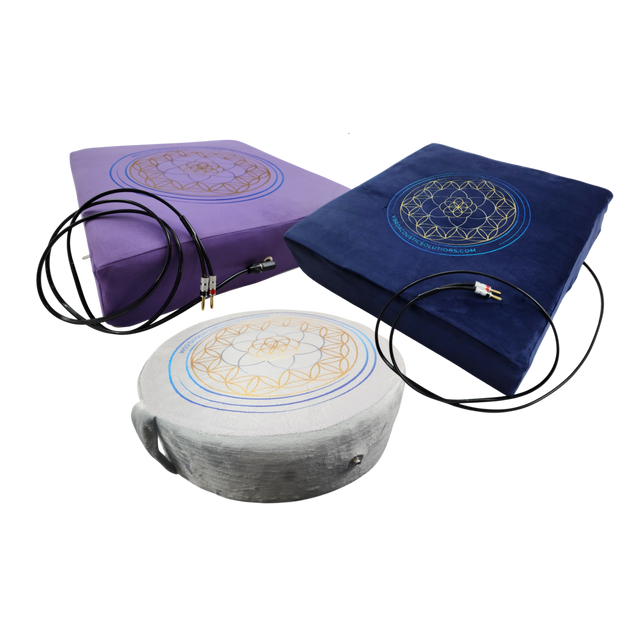
Vibroacoustic cushions make tactile sound accessible in smaller spaces and at home. They can be used on a favorite chair, recliner, sofa, or bed, providing localized vibration through the back, hips, or legs depending on placement. For clients who do not enjoy lying flat, a cushion-based setup can feel more approachable and easier to incorporate into a daily regulation routine.
These systems are also useful for sensory-friendly environments. Someone with ADHD, autism-related sensory needs, chronic tension, or a demanding work schedule may prefer a short seated session over a full treatment-table appointment. Adjustability is essential. A lower volume and gentler vibration are often a better starting point than an intense session.
Transducers, amplifiers, and audio sources
Behind every vibroacoustic surface is an audio chain. The essential components are transducers, an amplifier designed to power them, and a sound source such as a dedicated player, tablet, computer, or phone. The audio source sends a frequency track or music program to the amplifier; the amplifier powers the transducers; the transducers create physical vibration.
Quality matters here. Ordinary speakers are designed primarily for airborne listening. Vibroacoustic transducers are built to transfer energy into furniture or a treatment surface. A properly matched amplifier helps keep the signal clean and controlled, particularly at lower frequencies where poorly configured equipment can rattle, distort, or create uneven vibration.
Many practitioners use purpose-designed audio programs featuring tones, music, or pulsed frequencies. Some favor simple sine waves at a selected Hz value. Others combine low-frequency vibration with ambient music, nature recordings, binaural audio, Solfeggio tones, or 432 Hz music. These choices can carry personal, cultural, and therapeutic meaning. What matters operationally is that the program is comfortable, the volume is appropriate, and the client has a clear way to communicate if they want an adjustment.
Supporting equipment that makes sessions safer and better
The most effective sound therapy rooms are not packed with instruments. They are well controlled. Comfortable bolsters, blankets, eye pillows, and adjustable lighting help the body settle before the first tone is played. Headphones may be useful when privacy is limited or when a practitioner wants to deliver carefully balanced stereo audio without filling the room.
Practitioners also benefit from simple operational tools: a timer, an intake form, cleaning supplies, cable management, and reliable volume controls within reach. If using a vibroacoustic system, test each frequency program before a client arrives. Low-frequency sound can behave differently depending on the room, furniture, floor, and body position.
For professional settings, consent and communication are equipment in practice, too. Ask about sound sensitivity, comfort with vibration, current symptoms, and preferred intensity. A client should never feel pressured to tolerate a volume or frequency that feels overwhelming. Therapeutic work is strongest when the client retains agency throughout the experience.
Choosing the right setup for your setting
A new practitioner can begin with a small, intentional toolkit: one or two quality acoustic instruments, a controlled audio source, and a quiet space with comfortable support. This is enough to develop strong facilitation skills and learn how different clients respond to pace, silence, volume, and resonance.
A clinic that wants deeper somatic application may benefit from a vibroacoustic bed, cushion, or table conversion system. Vibroacoustic Solutions offers options across these formats, allowing practitioners and home users to choose the level of immersion that suits their space and budget. The technology is most useful when it supports a clear goal, whether that is post-session relaxation, recovery support, sensory regulation, or a more embodied sound therapy experience.
The best equipment does not create healing by spectacle. It creates a reliable sensory environment where sound can be heard, felt, and adjusted with care. Start with the body’s response, choose tools that make that response more comfortable and consistent, and let each session be guided by safety, presence, and the science of somatic regulation.
Latest posts


Vibroacoustic Systems for Therapeutic Regulation
Read article